Dealing With Foundation Erosion


Foundation Erosion Problems
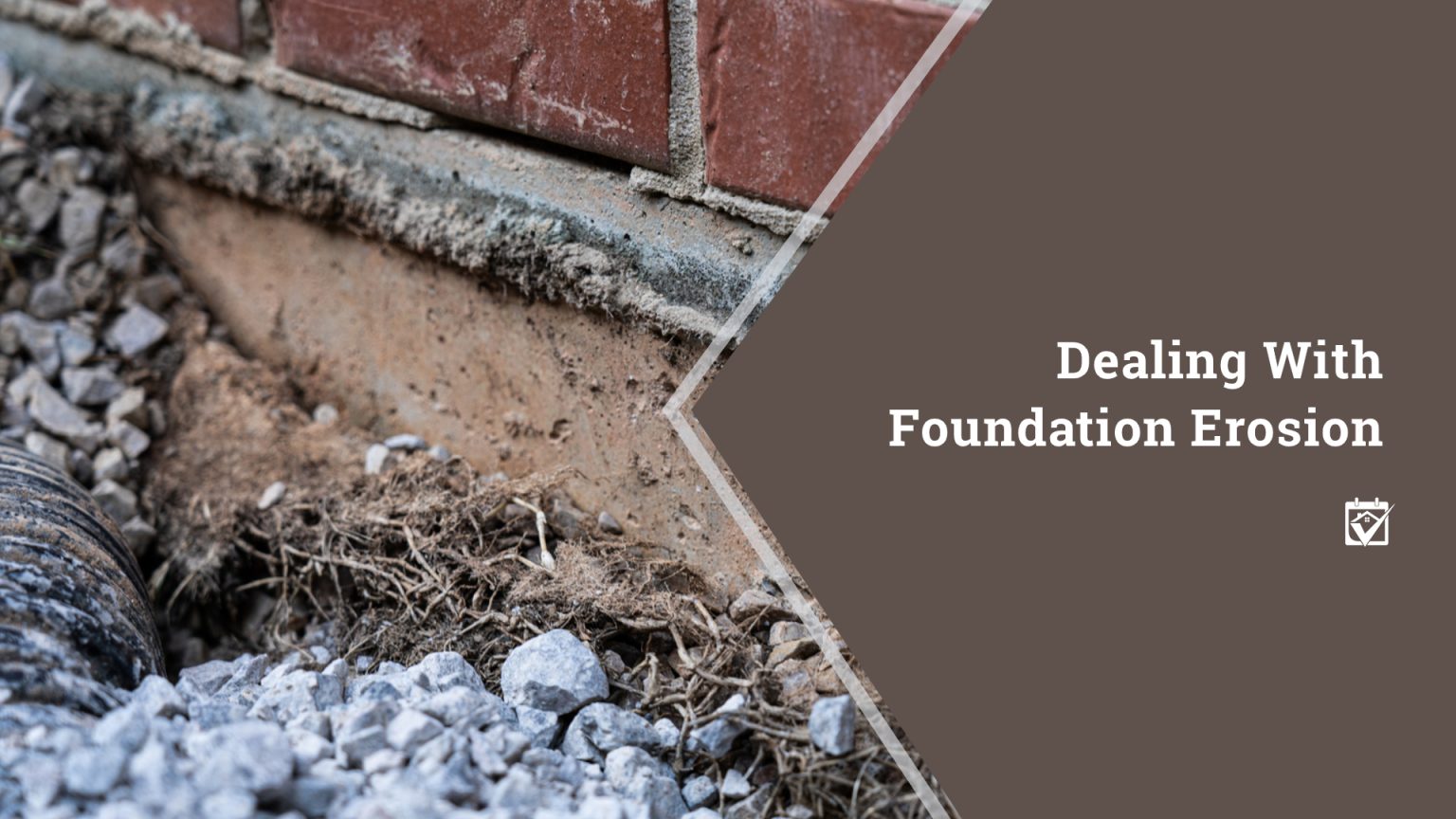
In most cases, when foundation erosion occurs it comes in the form of water or other elements washing away some of the soil around your home’s foundation. This can lead to underground portions of the foundation being exposed and may also kill grass that would otherwise help to hold the soil in place (which can in turn make erosion problems worse). As more soil erodes from around the foundation, you may start to see cracks and leaks forming in the foundation wall. Over time, the same elemental forces that are eroding the soil can start to wear away at the foundation materials themselves.
Foundation Instability
In addition to the direct damage caused by erosion, you may also start to notice foundation instability as your erosion problems get worse. This can take the form of leaning foundation walls, shifts in the foundation, or even bucking of walls or tilts to your flooring. This happens because the stability of your home’s foundation depends on the soil around it; the pressure of the soil pressing against the foundation adds extra strength to the foundation as it supports the weight of your home. As that soil washes away, the foundation cannot support the home as well and becomes unstable as a result.
Identifying Erosion
The first step in dealing with foundation erosion is identifying areas that are either eroding or in danger of erosion. At least once or twice a year, take the time to walk around your home and check the quality of the soil where it meets your home. Take special note of any areas where there is missing grass, where dips appear, or where portions of the foundation are visible. Standing water next to the foundation can also be a warning sign of erosion issues, as can sunken areas nearby. If you notice parts of the foundation or lower wall areas that seem to have unusual wear, these may be signs of erosion as well.
Repairing Damaged Foundations
Once you identify signs of erosion, take action before the problem can get worse. Any cracks or visible damage to the foundation itself will need to be repaired. Depending on how severe the problem is, this could be as simple as patching cracks and voids with concrete, or as complex as using jacks to level the house and filling eroded areas under your foundation slab with polyurethane foam. Any eroded soil needs to be replaced, with soil stabilizers added if needed to help the soil compact more solidly and prevent future erosion.
Preventing Erosion
One of the most important things that you can do to help take care of your foundation is to prevent erosion from happening in the first place. Ensure that your gutters and downspouts are working and in a good state of repair, installing new gutters as necessary to direct water from your roof away from your foundation. Establish flower beds or plant new grasses next to the foundation to prevent soil erosion or consider decorative gravel beds as an alternative. For larger problems you might also consider regrading your yard to prevent runoff from reaching your foundation or installing French drains or other runoff barriers that will redirect water to where you want it to go.
 If you enjoyed this post, please consider sharing it with others.


Categories of Topics William Onye Has Written About
Home Selling Home Values & Recent Sales Mortgage & Finance Home Improvements & Repair Affordable Housing Home Buying Luxury Homes Public/Private Schools Home Marketing Foreclosures & Investments Home Builders Home Remodeling Education Home Safety Housing Market Master Planned Communities Home Appraisals General Moving & Storage Houston Living Relocation & Newcomer Home Inspections Green Living High-Rise Living Homeowners Insurance Neighborhoods & Communities Safety & Security Country Homes / Acreage Living Master-Planned Communities Active Adults (Age 55+) Schools Open Houses High-Rises & Condos International Real Estate Property Taxes Timeshares & Fractional Property ManagementWilliam Onye’s Blog Archive



 Saved
Saved