Sign In
Create an account and enjoy all the benefits of HAR.com!
Sign In
Sign in using social account


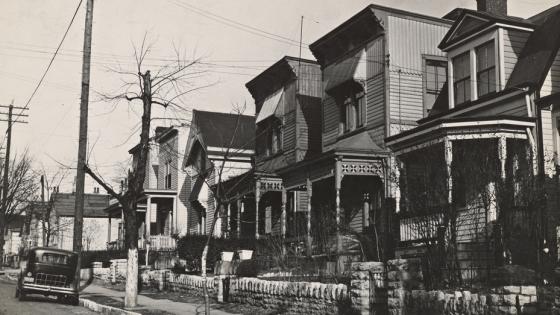
Real estate has always moved in cycles. While home values tend to rise over time, history shows there have been periods of sharp and painful declines. Understanding what caused those downturns helps us separate fear from fact - especially in today's market.
Here are the most significant real estate declines in modern history and what triggered them.
The housing market collapse during the Great Depression followed the 1929 stock market crash. Banks failed, unemployment soared to nearly 25%, and credit essentially disappeared.
What happened to real estate?
Home values fell roughly 25-30% nationwide, and in some areas much more. Foreclosures became widespread because many loans required short-term refinancing - and refinancing was no longer available.
What caused it?
Massive bank failures
No federal deposit insurance
Loose lending in the 1920s
No structured mortgage system as we know it today
This crisis ultimately led to reforms such as the creation of the modern 30-year fixed mortgage and stronger banking regulations.
In the 1980s, deregulation and risky lending practices among savings and loan institutions led to a wave of failures.
What happened to real estate?
Certain markets - including Texas - saw steep declines due to overbuilding and economic shocks tied to oil prices.
What caused it?
Risky commercial real estate lending
Overbuilding
Regional economic downturns
Institutional failures
This crisis was painful but largely regional rather than nationwide.
This is the most recent and severe housing collapse in modern U.S. history.
What happened to real estate?
National home prices fell about 20-30% from peak to trough, with some markets dropping over 50%.
What caused it?
Subprime and no-documentation loans
Speculative buying and house flipping
Overleveraged homeowners
Mortgage-backed securities tied to risky loans
Weak underwriting standards
When adjustable-rate mortgages reset and borrowers couldn't afford payments, foreclosures surged and prices spiraled downward.
While markets always fluctuate, today's environment is fundamentally different from 2007:
1. Stricter Lending Standards
Borrowers must document income, assets, and creditworthiness. No-doc loans are largely gone.
2. Stronger Homeowner Equity
Homeowners today have significant equity. During the 2008 crisis, many owners had little to none.
3. Limited Housing Supply
Unlike 2006-2008, we are not facing massive overbuilding. In many markets, inventory remains tight.
4. Fixed-Rate Mortgages Dominate
Most homeowners locked in historically low fixed rates. We don't have widespread payment shocks looming.
5. Stronger Banking System
Post-2008 reforms strengthened capital requirements and oversight.
Could prices soften? Of course - real estate is cyclical. But a systemic collapse like 2008 required a perfect storm of loose lending, speculation, and overbuilding. Those ingredients simply aren't present in the same way today.
History shows that real estate rewards long-term ownership. Timing the market perfectly is nearly impossible - but making smart, well-informed decisions is absolutely possible.
If you're considering buying or selling and want to understand what today's market means specifically for you, I'd be happy to provide a personalized analysis of your situation and local trends.
Reach out anytime for a confidential consultation. Whether you're planning a move soon or just exploring your options, having the right strategy makes all the difference.




 Erase note
 You currently have no custom folders