Sign In
Create an account and enjoy all the benefits of HAR.com!
Sign In
Sign in using social account


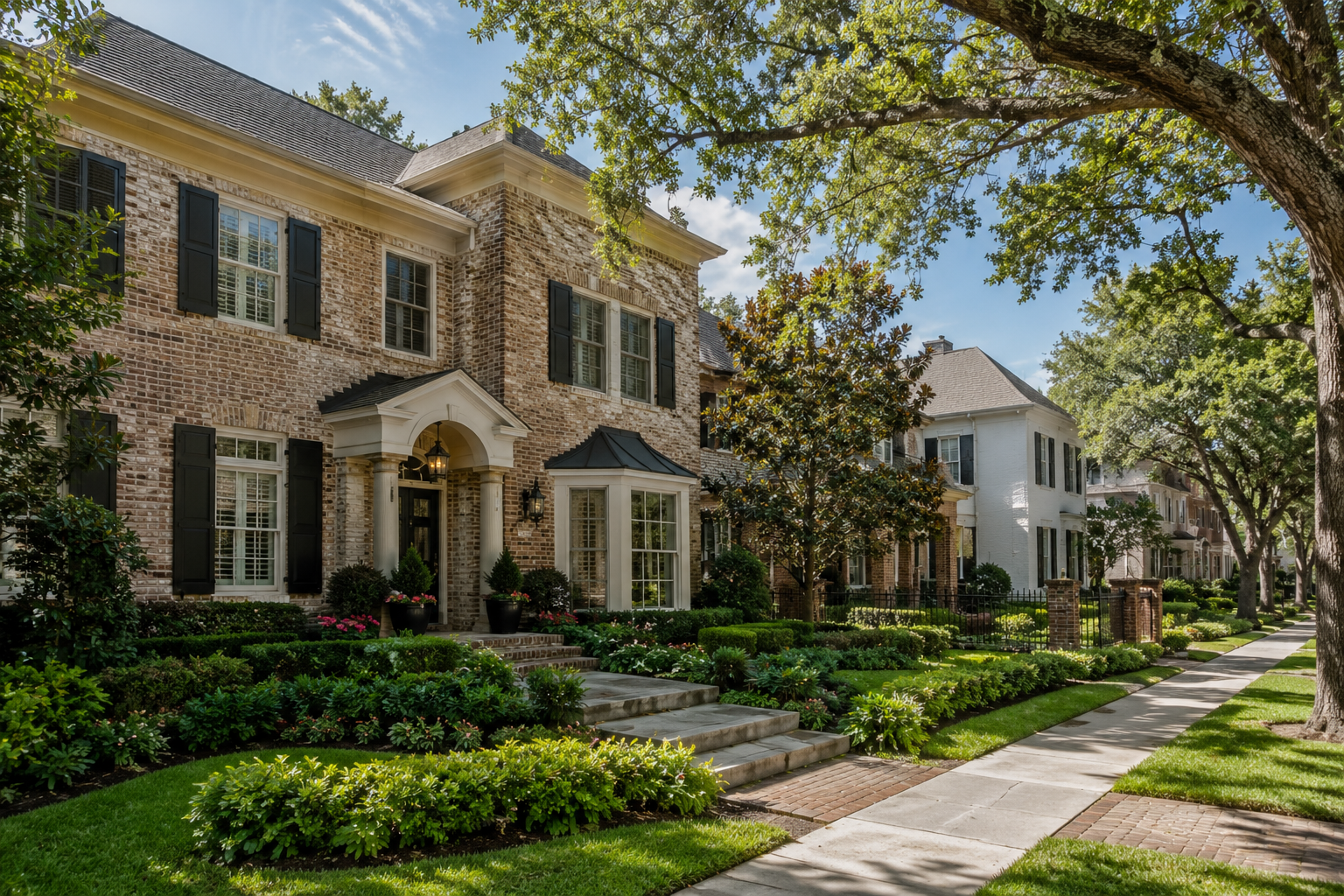
The Houston housing market has shifted. After years of buyers competing in a frenzied, low-inventory environment, the market has moved toward balance. Understanding how Houston housing inventory works what it means, how it is measured, and how it affects your decisions is one of the most valuable things you can do before buying or selling a home in Greater Houston.
Whether you are a first-time buyer in Katy, a move-up seller in Sugar Land, a real estate investor tracking opportunities, or a military family using a VA loan, this guide breaks down exactly what you need to know right now.
What Is Housing Inventory and Why Does It Matter?
Housing inventory refers to the number of homes actively listed for sale in a given market at any point in time. It is usually expressed as a count of active listings or as "months of supply," which is the number of months it would take to sell all current listings at the current pace of sales.
In Greater Houston, the Houston Association of Realtors® tracks this data monthly. As of early 2026, Houston has approximately 34,500 to 35,000 active single-family listings, representing about 4.7 months of supply. That is a significant increase from the 4.5 months recorded a year prior.
When inventory is low typically under 3 months sellers hold most of the power. When inventory climbs above 6 months, buyers gain the upper hand. At 4.7 months, Houston is approaching balanced territory, which is good news for both sides of a transaction.
How Houston Got Here: The Inventory Story
Just a few years ago, Houston buyers were in a full-on sprint. Homes were selling in days, sometimes hours. Multiple offers above asking price were common. Buyers waived contingencies just to compete.
That environment is over.
Active listings in Greater Houston jumped nearly 17 percent over the past year, with more than 34,500 homes now available. In January 2026, single-family homes spent an average of 66 days on the market before selling the highest average in nearly six years. By March 2026, inventory had climbed to 4.7 months of supply, the most balanced the Houston market has been since 2019.
The Houston Association of Realtors® described 2025 as a return to normal, with the market finding a more sustainable rhythm after the volatility of previous years. Active listings hit a record high of 39,490 properties in July 2025, and that surge in available homes carried forward into 2026.
What Balanced Inventory Means for Houston Buyers
If you are buying a home in Houston right now, more inventory works directly in your favor. You have more homes to choose from. You have more time to make decisions. You have real negotiating leverage. Nearly 28 percent of listings in early 2026 saw price reductions, creating genuine opportunities for prepared buyers who know how to structure a smart offer.
Here is what that looks like in practice across Houston neighborhoods:
In Katy, master-planned communities like Cinco Ranch, Elyson, and Sunterra offer active new construction alongside resale options. The median home price in Katy sits around $336,000, making it one of the most accessible areas for first-time buyers who want top-rated schools without the premium of inner-loop pricing.
In Sugar Land, buyers will find strong community infrastructure, proximity to the Medical Center corridor, and a median price around $400,000. Fort Bend ISD continues to attract families seeking quality schools.
In Pearland, south Houston buyers can find homes around $320,000 with solid commute access to the Texas Medical Center.
In Spring and Cypress, northwest Houston buyers benefit from Cy-Fair ISD and new construction options, with median prices around $350,000.
The key insight for Houston buyers in 2026 is this: a balanced market does not mean deals fall into your lap. Informed buyers create deals. Knowing which listings have been sitting 60 days or more, which sellers have already reduced prices, and how to structure an offer that includes seller-paid closing costs or a rate buy-down that is what separates a smart transaction from a missed opportunity.
What Inventory Trends Mean for Houston Sellers
Selling a home in Houston in 2026 is still achievable, but the rules have changed.
Homes that are priced correctly and presented well are still selling. Total home sales in March 2026 increased 3.6 percent year over year, and pending sales jumped 12.8 percent, signaling that buyer demand has not disappeared. What has changed is that sellers no longer control the conversation.
In a market with 4.7 months of supply and average days on market climbing toward 67 to 97 days depending on area and price point, overpricing is a strategy that fails fast. Buyers now have options. They will compare your listing to multiple others and gravitate toward homes that offer value.
The sellers who succeed in the current Houston market do three things well: price at or slightly below fair market value from day one, ensure the home shows at its best through staging and professional photography, and work with a skilled agent who understands local demand patterns by neighborhood and price range.
The Townhome and Condo Market: A Buyer's Market Within a Market
While single-family homes in Houston are approaching balanced territory, the townhome and condo segment tells a different story.
As of early 2026, townhome and condo inventory in Greater Houston has surged 21 percent to 10.3 months of supply nearly double the threshold that defines a buyer's market. Average days on market for this segment reached 121 days. Both median and average prices have dipped.
For Houston buyers who are flexible on property type, townhomes and condos represent one of the strongest negotiating environments in years. Areas like Midtown, Montrose, the Heights, and Upper Kirby have meaningful condo and townhome inventory, often offering urban living at price points below comparable single-family homes.
Investors tracking cash-flow potential in Houston should take a close look at this segment. More supply, longer days on market, and motivated sellers translate to better acquisition prices for those who move with intention.
VA Loan Buyers in Houston: Why Right Now Is a Strategic Window
Houston is one of the best cities in the country for veterans and active-duty military families buying homes with VA loans. The current inventory environment makes that advantage even more powerful.
VA loans allow eligible buyers veterans, active-duty service members, National Guard and Reserve members, and certain surviving spouses to purchase a home with zero down payment, no private mortgage insurance, and competitive interest rates. In Harris County, the VA loan limit for 2026 is $832,750, meaning veterans with full entitlement can finance a Houston home up to that amount with no money down.
On a median-priced Houston home around $335,000, eliminating a down payment saves a buyer $67,000 compared to a conventional 20 percent down scenario. Eliminating PMI saves another $150 to $300 per month.
In a balanced market with increased inventory, VA loan buyers are in a strong position. Sellers who previously passed on VA offers during competitive bidding wars are now far more receptive. A VA offer with a fully underwritten pre-approval and a flexible closing timeline is competitive in today's Houston market.
Texas also offers additional support for veterans through the Texas Veterans Land Board and the Texas State Affordable Housing Corporation's Homes for Texas Heroes Program, which provides down payment assistance and fixed-rate loan options for qualifying service members.
Neighborhoods that work well for VA loan buyers include Katy, Pearland, Spring, Cypress, and parts of the Humble and Pasadena corridors, where prices fall well within VA loan limits and new construction is active.
What Houston Investors Should Watch
Houston real estate investors tracking the market in 2026 have several data points worth holding onto.
The spread between buyer's market conditions in townhomes and condos and the still-balanced single-family segment creates tiered opportunity. Investors seeking value and negotiating leverage will find it in the multi-family adjacent segments. Investors prioritizing long-term appreciation and rental demand stability will find it in high-growth suburban corridors like Fulshear, Richmond, Rosenberg, and the northern sections of The Woodlands area.
Houston's economic foundation energy, the Texas Medical Center, aerospace, and a growing tech sector continues to support long-term housing demand. The city delivered over 88,000 single-family home sales in 2025, up nearly 4 percent from the prior year, demonstrating sustained transaction volume even as inventory normalized.
Affordability has also improved. The median home price eased from approximately $337,200 in Q1 2025 to $331,500 in Q1 2026. The typical monthly mortgage payment dropped from about $2,580 to $2,400, and the annual income required to afford a median-priced Houston home fell from around $103,200 to $96,000. These shifts expand the buyer pool, which is a positive signal for investor exit strategies.
How to Use Inventory Data to Make Smarter Houston Real Estate Decisions
Understanding inventory is not just academic. It directly informs timing, strategy, and negotiation in every Houston transaction.
If you are a buyer, the current 4.7-month supply means you have more leverage than at any point since 2019. Use it. Target listings with 60 or more days on market, request seller concessions or closing cost contributions, and get fully underwritten before making offers.
If you are a seller, respect the data. Houston homes are still selling but your competition is real. Pricing with precision and presenting your home with quality marketing is not optional in a market where buyers have 34,000-plus active listings to consider.
If you are an investor, study the sub-markets. The townhome and condo segment is in deep buyer's market territory. The single-family suburbs with strong school districts and job-center proximity are still moving. Track months of supply, days on market, and price reduction frequency by zip code to find where your edge lives.
Ready to search homes in Houston?
Visit Michael Gee's website to browse current Houston listings, explore neighborhoods that match your goals, and connect with a top Houston agent who understands every corner of this market. Whether you are buying with a VA loan, searching for your first home in Katy or Sugar Land, or evaluating investment opportunities across Greater Houston, Michael Gee is ready to help you move with clarity and confidence.




 Erase note
 You currently have no custom folders