Sign In
Create an account and enjoy all the benefits of HAR.com!
Sign In
Sign in using social account


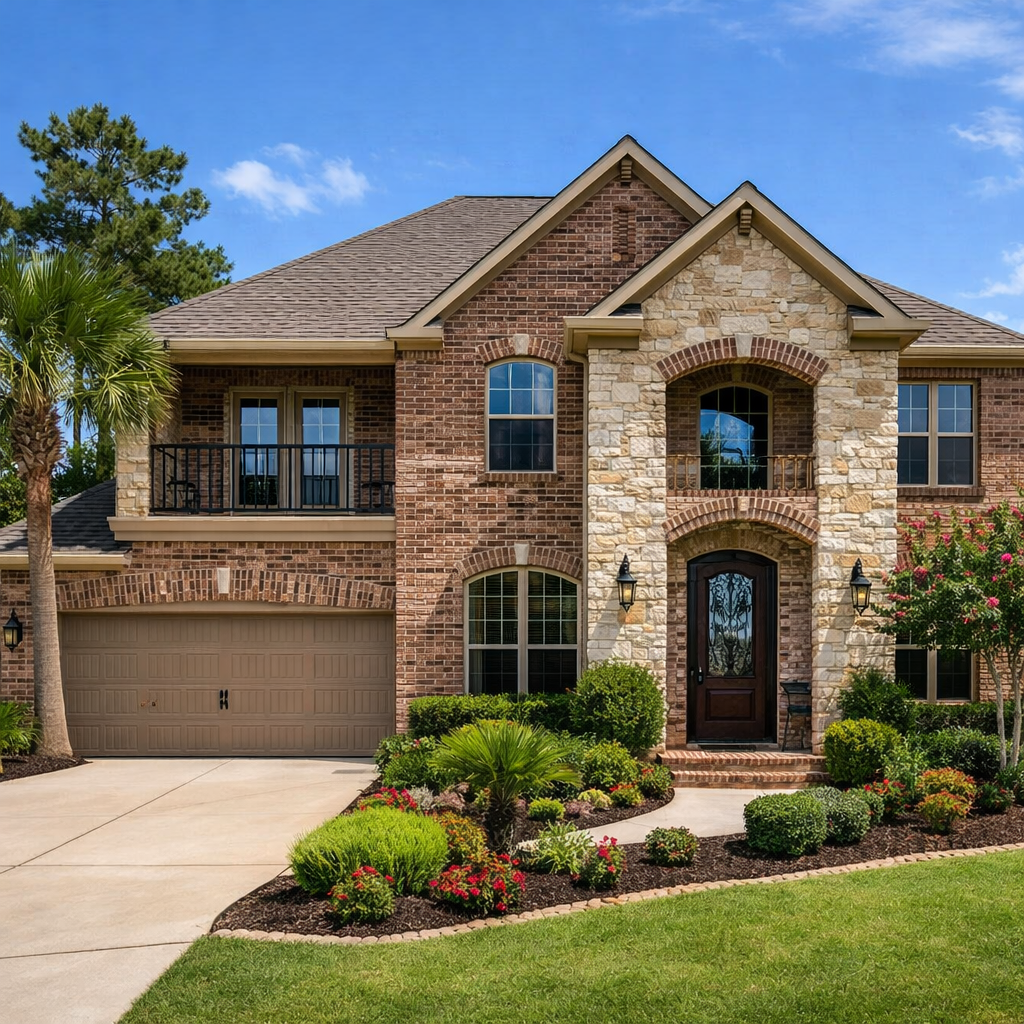
Figuring out how much home you can afford in Houston is the most important step before you start searching for homes. Whether you are a first time buyer, a military family using a VA loan, or an investor looking for your next property, your budget determines everything. The good news is that Houston remains one of the most affordable major housing markets in the country. This guide breaks down exactly how to calculate your buying power in the Houston real estate market right now.
What Determines How Much Home You Can Afford in Houston
Your home buying budget comes down to a few key numbers. Lenders look at your gross monthly income, your monthly debts, your credit score, and how much you have saved for a down payment. The most common guideline is called the 28/36 rule. It says your total housing payment should not exceed 28 percent of your gross monthly income, and your total debt payments should stay under 36 percent. For example, if your household earns $65,000 per year, which is close to the Houston median household income of $64,361, your gross monthly income is about $5,416. Using the 28 percent rule, your maximum monthly housing payment would be roughly $1,517. That includes your mortgage principal, interest, property taxes, and homeowners insurance. Using that number and current mortgage rates, most Houston buyers in this income range can comfortably shop for homes priced between $250,000 and $300,000.
Current Houston Housing Market Conditions The Houston housing market in early 2026 is shifting in favor of buyers. According to the latest HAR market report for January 2026, the median home price for a single family home in Houston sits at $334,990. The average price is $426,558. Homes are spending an average of 64 days on the market before selling, which is the highest that number has been since February 2020. Inventory in the Houston real estate market has also grown significantly. Active listings jumped nearly 17 percent over the past year, with more than 34,500 homes now available across Greater Houston. The current supply sits at 4.7 months, the closest to a balanced market Houston has seen in years. For buyers, this means more options, more negotiating power, and less pressure to rush into a decision. Affordability is also improving. The typical Houston homebuyer in January needed to spend about $1,561 per month assuming a 20 percent down payment, down from $1,723 a year earlier. That amounts to roughly $2,000 less per year in housing costs.
How Mortgage Rates Affect Your Buying Power in Houston
Mortgage rates play a massive role in how much home you can afford. As of mid February 2026, the average 30 year fixed mortgage rate is approximately 6 percent for conventional loans. The 30 year VA loan rate is lower, averaging around 5.38 to 5.60 percent. FHA loan rates are averaging near 5.87 percent. To put this in perspective, on a $300,000 loan at 6 percent over 30 years, your monthly principal and interest payment would be about $1,799. Drop that rate to 5.5 percent with a VA loan, and the same payment falls to roughly $1,703. That difference of nearly $100 per month adds up to over $34,000 across the life of the loan. Shopping for the best rate and choosing the right loan program can significantly expand what you can afford in Houston.
VA Loans Give Houston Military Families a Major Advantage
Military families and veterans buying homes in Houston should absolutely explore VA loans. The 2026 VA loan limit for Harris County and all of Texas is $832,750. Veterans with full entitlement can finance a home up to that amount with zero down payment. That is a tremendous advantage in a market where the median home price is well below that limit. VA loans also come with lower average interest rates compared to conventional and FHA loans. There is no private mortgage insurance requirement. And the VA allows a debt to income ratio up to 41 percent, which is higher than the standard 36 percent used for conventional loans. Most Houston area lenders accept credit scores starting at 580 to 620 for VA loan applications. For a military family earning $75,000 per year, a VA loan at current rates could support a purchase price well above $400,000 with no money down. That opens up a huge portion of the Houston housing market, including popular neighborhoods like Katy, Cypress, and Pearland where new construction homes with builder incentives are readily available.
Houston Neighborhoods at Different Price Points
One of the best things about the Houston real estate market is the variety of neighborhoods available at nearly every budget. Here is a general breakdown of what you can find at different price ranges across Houston.
Under $250,000.
Buyers in this range can find homes in Spring Branch, where the median purchase price is around $215,000. Parts of northeast Houston, Aldine, and areas along the Gulf Freeway corridor also offer homes at this price point. These neighborhoods appeal to first time buyers and investors looking for rental income potential.
$250,000 to $400,000.
This is the sweet spot for many Houston homebuyers. Neighborhoods like Katy, Cypress, Tomball, and Magnolia offer new construction and resale homes with strong schools, master planned communities, and room to grow. Sugar Land also falls in this range with a median around $337,600.
$400,000 to $650,000.
Buyers in this range can access established inner loop adjacent neighborhoods like Meyerland, where the median is around $504,000, or Garden Oaks and parts of the Heights. These areas offer walkability, mature trees, and proximity to downtown Houston.
$650,000 and above.
The Houston luxury market is also active, with sales of homes priced above $1 million increasing 15.5 percent year over year in January 2026. River Oaks, Memorial, West University Place, and Tanglewood are popular in this segment.
Steps to Figure Out Your Houston Home Budget Getting a clear picture of what you can afford takes a bit of homework, but it is straightforward.
1. Calculate your gross monthly income. Add up all household income before taxes and deductions.
2. Multiply by 0.28. This gives you the maximum monthly housing payment lenders typically want to see.
3. Subtract estimated property taxes and insurance. In Harris County, property tax rates are approximately 2 to 2.5 percent of your home value annually. Homeowners insurance in Houston varies but typically runs $2,000 to $4,000 per year depending on coverage and location.
4. Use the remaining amount for your mortgage principal and interest. Plug that number into a mortgage calculator to see the loan amount you can support at current rates.
5. Add your down payment. For conventional loans, plan for 3 to 20 percent down. For FHA loans, 3.5 percent. For VA loans, zero down is possible. Get pre approved. Talk to a Houston lender who knows the local market and can lock in your numbers before you start touring homes.
What Comes Next Knowing how much home you can afford is the first step. The next step is finding the right home in the right Houston neighborhood at the right price. Whether you are a first time buyer exploring Spring Branch, a military family using a VA loan in Katy, or an investor eyeing Tomball and Magnolia, having a local expert makes all the difference. Visit Michael Gee's website to search Houston homes, explore neighborhoods, and get personalized advice on your home buying budget. Your next home in Houston is closer than you think.


 Erase note
 You currently have no custom folders