Sign In
Create an account and enjoy all the benefits of HAR.com!
Sign In
Sign in using social account


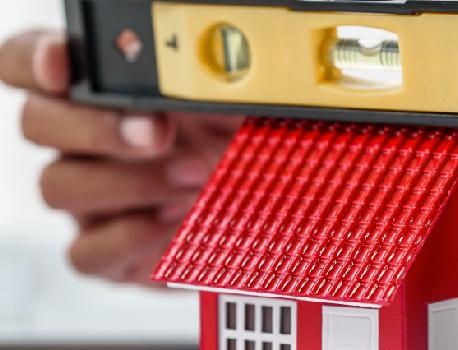
Understanding the scope of home inspections is crucial when navigating the real estate market, whether buying, selling, or working as a real estate professional. Each type of inspection serves a specific purpose, but it’s equally important to recognize their limitations. Here’s a blog on what inspections generally cover and their inherent limitations.
A general home inspection comprehensively evaluates a property’s overall condition. The scope of inspections includes checking the structure, roof, electrical system, plumbing, and HVAC.
For example, inspectors will look for cracks in the foundation, missing shingles on the roof, and worn wiring in the electrical panel. They also check for leaks in the plumbing and test the HVAC system to ensure it’s working properly. Home inspections focus on visible issues that can be easily accessed.
The scope of home inspections is primarily non-invasive. Inspectors do not open walls, ceilings, or floors, which means they might miss hidden problems like mold inside walls or plumbing leaks behind walls. For example, while an inspector can look at the roof for visible damage, they might not detect problems with the roofing structure. Home inspections usually do not include tests for specific issues such as mold or radon unless requested.
A pest inspection detects wood-destroying insects, such as termites and carpenter ants, that can harm a home's structure. Inspectors check accessible areas like basements, attics, and crawl spaces where these pests may be present, helping homeowners address potential damage early.
For example, if your home is in a termite-prone area, the inspection will specifically look for termite signs in visible places. Inspectors will search for damage, droppings, and mud tubes that indicate pest activity.
Pest inspections are generally limited to accessible areas and do not cover hidden spaces like inside walls or under carpets unless damage is visible. As a result, some pest problems might be missed during the inspection.
Additionally, the scope of inspections can be affected by the time of year; for example, pests like termites are harder to detect in winter when they are less active. Therefore, it’s important to understand that pest inspections might not catch every issue.
A radon inspection tests for the presence of radon gas, usually through air samples taken in the lowest livable area of the home. Radon is a colorless, odorless gas that can pose health risks if present at high levels.
For instance, if you're buying a home in an area known for high radon levels, the inspection will check the radon levels in the basement or lowest floor. Understanding the scope of inspections, including radon testing, helps ensure a home's safety.
Radon tests are often short-term (2-7 days), which might not provide a full picture of radon levels over time. To get a more accurate picture, longer-term tests of 90 days or more are better. Additionally, radon inspections focus only on radon levels and do not address other indoor air quality issues or potential structural sources of radon.
Therefore, while radon testing is important in home inspections, it should be part of a broader scope of inspections that consider all relevant factors.
A mold inspection is essential to home inspections, focusing on identifying mold and moisture issues. First, inspectors perform a visual check for visible mold growth and conditions that may cause mold, such as water leaks. Then, they take air samples to measure the level of mold spores in the air.
This process helps detect hidden mold that might not be visible during the visual inspection. The scope of inspections becomes crucial for homes with previous water damage, as it ensures all potential mold problems are identified and addressed.
Air quality tests might not detect mold if confined to an isolated area or if conditions like temperature and humidity have changed recently. Additionally, the scope of inspections usually does not include invasive procedures unless explicitly authorized. Therefore, mold inside walls or other concealed spaces might not be found.
For example, if mold is behind drywall, a standard mold inspection might miss it unless the inspector has permission to open the walls. As a result, homeowners should understand that while mold inspections are useful, they might not identify all potential mold problems in home inspections.
A lead-based paint inspection uses specialized tools to detect lead in paint, especially in homes built before 1978, when lead-based paints were banned in the U.S. Inspectors typically test paint surfaces in high-risk areas, such as windowsills and doors, where lead paint is often found, helping homeowners identify potential health risks.
During a home inspection, the inspector may use tools like X-ray fluorescence (XRF) analyzers or collect paint samples for analysis. The scope of inspections for lead-based paint helps identify potential hazards and ensures safety. If you're buying an older home, this inspection is a key step in assessing lead risks.
Lead-based paint inspections are often non-destructive, focusing on surface-level testing. Therefore, if lead is found on a visible surface, it doesn't guarantee that hidden layers or other potential lead sources, like plumbing or soil, are free of lead. This highlights the limitations of these inspections and the importance of understanding their scope. Additional home inspections might be needed to check for other lead hazards and assess a home fully.
An inspection identifies asbestos in building materials such as insulation, tiles, and shingles, particularly in older homes. During an inspection, the scope of inspections includes checking these materials to see if they contain asbestos.
The inspector collects samples from potential problem areas, such as attic insulation or floor tiles, and tests them in a lab. If asbestos is found, the inspector will suggest safe ways to handle or remove it. This process helps ensure safety during home renovations and maintenance.
Asbestos inspections are often based on a limited number of samples, meaning some asbestos-containing materials might be missed. For instance, asbestos hidden behind drywall or inside ducts may not be detected unless the inspector conducts more invasive testing. Therefore, home inspections might not always find asbestos in hard-to-reach places without additional methods.
The inspection evaluates the chimney's structure, flue, and other components to ensure safety and functionality. First, it checks for creosote buildup, which can be a fire hazard if not removed. Next, the inspector looks for cracks or damage in the chimney’s masonry or liner that could affect its safety.
Additionally, the condition of the chimney cap, flashing, and damper is assessed to prevent issues like water leaks or drafts. Regular inspections are important to address problems early and keep your chimney in good order. The scope of inspections ensures that every crucial part of the chimney system is evaluated.
Level 1 inspections are visual and do not use cameras or other tools to inspect the chimney flue inside deeply. Therefore, internal issues might not be detected. Level 2 or Level 3 inspections are needed for a complete assessment, as these use specialized equipment to inspect the interior.
Moreover, weather conditions can impact the scope of inspections; for instance, heavy rain or snow can make it difficult to assess problems like water damage inside the chimney.
A sewer or septic inspection assesses the condition of the home’s sewer lines or septic system. The scope of inspections often includes using cameras to look inside sewer lines and identify any blockages or damage. For homes with septic systems, the inspection will also examine the lines leading to and from the septic tank. This process helps to find clogs or structural issues that might need attention. Inspectors will also evaluate the septic tank for signs of overflow or leaks.
Camera inspections of sewer lines have limits due to the camera’s reach. For example, the camera might not detect blockages far down or beyond its range. Additionally, septic inspections typically focus on the tank and visible parts, with more detailed tests like soil percolation often being done if needed.
Consequently, home inspections might miss issues related to the soil's drainage or problems within the leach field. Understanding the scope of inspections can help ensure you know what might be left out.
A roof inspection is a key part of home inspections. It checks the condition of various roof components. The inspection scope includes examining shingles for damage, ensuring flashing is intact, and verifying that gutters and downspouts are functioning properly.
Inspectors look for missing or damaged shingles, flashing gaps, and drainage system issues. This helps identify any repairs needed to keep the roof in good shape and prevent potential problems.
Weather can limit roof inspections; snow or heavy rain can make it challenging to inspect the roof thoroughly. Under such conditions, the inspector might not see all the roof’s integrity or drainage system issues.
Home inspections usually involve a visual-only assessment, meaning that the inspector does not look beneath the roof’s surface or into the attic unless there's a visible problem. Therefore, some issues might be missed because the scope of inspections does not always include hidden problems.
An HVAC inspection is a key part of home inspections. It focuses on the heating, ventilation, and air conditioning systems and checks whether they work properly and safely.
The scope of an HVAC inspection includes examining the furnace, air conditioning unit, ductwork, and thermostat. Inspectors look for leaks, airflow problems, and unusual noises. By finding these problems early, an HVAC inspection helps ensure the systems run efficiently and meet safety standards.
HVAC inspections typically check for basic functionality but do not include a detailed efficiency analysis or potential hidden issues unless specifically requested. Additionally, seasonal factors can affect the inspection.
An HVAC inspection conducted in winter might not test the air conditioning system’s performance, as it is not in use during that season. Therefore, it’s important to understand these limitations and consider the full scope of inspections to ensure all aspects of the HVAC system are evaluated.
A foundation inspection is an essential part of home inspections, focusing on the condition of a home's foundation. The scope of inspections includes checking for cracks, uneven floors, and signs of settling.
During the inspection, professionals look for visible cracks and measure the foundation's level. They also check for issues like moisture problems that might affect stability. If you notice cracks in walls or floors, a foundation inspection will determine if these are related to foundation problems.
Foundation inspections are usually non-invasive and do not involve digging or detailed examination of underground areas. For example, basic inspections usually don’t use advanced tools like ground-penetrating radar unless there is a major concern. As a result, deep-set foundation problems may not be detected. The scope of inspections generally focuses on visible signs of damage, such as cracks in walls or uneven floors.
This Inspection examines the electrical system, including wiring, panels, outlets, and fixtures, to ensure safety and code compliance. This process helps prevent electrical hazards and confirms that the system meets current standards. For example, the wiring is assessed for proper insulation during home inspections, and the electrical panel is inspected for signs of overload.
Electrical inspections are crucial for checking the safety of visible parts of a home’s electrical system. However, these inspections are limited. For instance, they focus on components that are easily accessible and do not include hidden wiring behind walls.
Consequently, outdated wiring that still functions but does not meet current safety standards might be missed. Additionally, the scope of inspections usually does not cover invasive techniques, such as opening walls.
A plumbing inspection is a key part of home inspections that examines the plumbing system’s condition. The scope of inspections includes checking pipes, fixtures, water heaters, and water pressure. During the inspection, the professional will look for leaks under sinks, check the water heater for rust or corrosion, and test water pressure throughout the home. Additionally, they will inspect drainage and venting to ensure proper function.
Plumbing inspections are useful but have some limitations. For example, they typically don't involve removing walls or floors to check hidden pipes. Therefore, issues with pipes behind walls or underground might not be detected until they cause significant problems.
Additionally, plumbing inspections often focus on current conditions and may not predict future issues or long-term wear and tear. Consequently, while home inspections provide valuable information, their scope of inspections does not cover everything that could go wrong with the plumbing system.
Understanding the scope of home inspections and their limitations is vital for anyone involved in real estate transactions. While inspections provide valuable insights into a property’s condition, they are not error-free.
Recognizing what each type of inspection covers and where it might fall short can help you make informed decisions about buying a new home, selling an existing one, or advising clients.
Home inspections for new homes and older homes may differ in focus. For new homes, inspections often check for construction quality and adherence to building codes. For older homes, inspectors may pay closer attention to wear and tear, outdated systems, and potential issues related to aging. Inspections are crucial for identifying potential problems regardless of the home's age.
While home inspections do not directly affect mortgage approval, their findings can influence the process. If significant issues are discovered, they might lead to negotiations or require repairs before the mortgage process can proceed. Lenders often require an appraisal, but addressing inspection findings can help ensure a smoother approval process.
Home inspections are not mandatory in most places before selling a house, but they are highly recommended. A pre-sale inspection can help identify and address potential issues before listing the property, improving the selling process and potentially increasing the home’s value. Buyers often conduct their assessments, so addressing issues upfront can lead to a smoother transaction.




 Erase note
 You currently have no custom folders