Sign In
Create an account and enjoy all the benefits of HAR.com!
Sign In
Sign in using social account


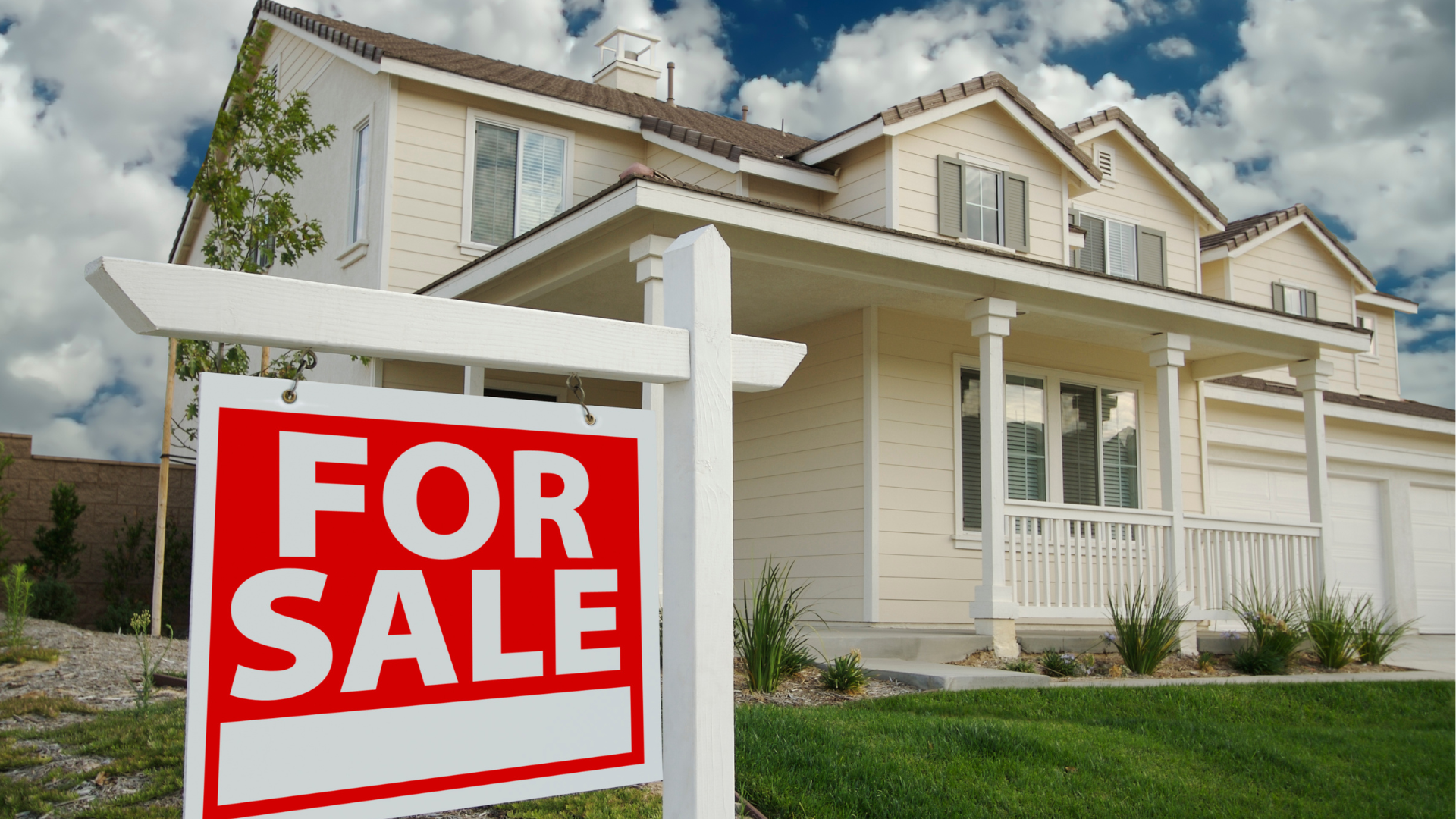
The market has shifted again — here's what today's sellers need to know
Selling a home in 2026 is a fundamentally different experience than it was just three or four years ago. The frenzied seller's market of 2021 and 2022 — where homes vanished in hours and buyers waived every contingency just to compete — is a distant memory. What's replaced it is something more nuanced: a market in transition, where the sellers who succeed are the ones who understand the new rules and plan accordingly.
This guide will walk you through everything you need to know to price your home competitively, prepare it to impress, and negotiate your way to a successful closing in 2026's evolving real estate landscape.
The single most important thing any seller can do right now is let go of outdated expectations. The pandemic-era housing boom has fully unwound, and the market that's emerged in its place rewards preparation, realistic pricing, and patience.
Active inventory is up roughly 10% year-over-year nationally, with nine states — Arizona, Colorado, Florida, Idaho, Nebraska, Tennessee, Texas, Utah, and Washington — now sitting above their pre-pandemic 2019 inventory levels. That's meaningful context: in these markets, buyers have genuine options and the negotiating leverage that comes with them. Approximately 36% of listings nationally are taking price reductions, and median national list prices have dipped about 2.2% year-over-year in recent data. These aren't signs of a crashing market — they're signs of a market finding its equilibrium.
What does this mean practically? Homes are still selling. Buyers haven't disappeared. But they've become far more payment-sensitive, location-sensitive, and price-sensitive than they were even 18 months ago. Mortgage rates remain above 6%, which puts real pressure on monthly budgets and makes buyers less forgiving of overpriced listings. The sellers who are moving inventory are the ones adjusting fastest to today's affordability environment.
One bright spot worth noting: pending home sales have reached their highest levels in years, and NAR forecasts a median 4% home-price gain nationally through 2026. The market isn't broken — it's just more selective than it used to be.
Nothing matters more than getting the price right. In a market where more than one in three listings is taking a cut, the cost of starting too high is steep: longer days on market, a "stale listing" stigma that follows you in online search results, and a final sale price that almost always comes in lower than if you'd priced correctly from day one.
Start with a thorough Comparative Market Analysis. A good CMA examines recent closed sales of genuinely comparable homes — similar square footage, age, condition, bedroom and bathroom count — ideally within the last three to six months and within a reasonable geographic radius. It also looks at active listings (your competition) and expired listings (homes that failed to sell, often because they were overpriced). Pay close attention to price per square foot, average days on market for comparable homes, and how frequently price reductions appear in your area.
Price competitively from listing day. The temptation to "leave room to negotiate" is understandable, but it backfires in this market. A home priced at or slightly below comparable sales generates more showings, more genuine interest, and often produces better offers — sometimes even competing ones — than an overpriced home that quietly ages on the MLS. There's also the psychology of online search filters to consider: a home at $449,900 appears in every search set below $450,000. A home priced at $455,000 misses all of them.
Know your local market specifically. National data provides useful context, but real estate is hyperlocal. Austin, for example, is currently absorbing price cuts approaching 45% of listings — a very different environment than Houston, which is transacting faster despite elevated inventory. Denver and parts of the Dallas-Fort Worth metro are moving slowly despite willing buyers, largely because pricing reset hasn't happened yet in many pockets. Ask your agent for hyper-local data: what's the absorption rate in your zip code? What's the average list-to-sale ratio? How many price reductions have happened on comparable homes in the last 60 days?
Buyers in 2026 are discerning and have options. A home that shows well — genuinely well — still commands attention and strong offers. The goal isn't to spend a fortune on renovations; it's to eliminate every reason a buyer might hesitate or negotiate down.
Focus on high-impact, lower-cost improvements. Fresh neutral paint throughout the interior remains one of the highest-return investments a seller can make, full stop. Landscaping and curb appeal are equally powerful — the first photo in any online listing is almost always the exterior, and buyers form their initial impression before they ever walk through the door. Updated lighting fixtures, new hardware on kitchen and bathroom cabinets, clean and sealed grout, and fresh caulk in bathrooms are all inexpensive improvements that signal to buyers that a home has been maintained with care.
What to avoid: major kitchen or bathroom gut-renovations rarely recoup their full cost at resale, especially when tastes differ between seller and buyer. Highly personal design choices — bold accent walls, bespoke built-ins, luxury-tier upgrades — can actually narrow your buyer pool rather than expand it. Invest in what presents well broadly, not what reflects your specific taste.
Stage deliberately. Professional staging consistently reduces days on market and increases perceived value. Even without hiring a professional stager, the principles are straightforward: declutter every room until it feels spacious, remove family photos and personal items so buyers can picture themselves in the home, neutralize anything visually loud, and make sure every room has excellent lighting. Outdoor spaces deserve the same attention — a tidy patio with a few well-placed plants and furniture creates a lifestyle impression that photographs beautifully.
Invest in professional photography. The overwhelming majority of buyers begin their home search online, and your listing photos are your first showing. Professionally shot real estate photography — ideally including a video walkthrough for larger or more distinctive properties — is non-negotiable in today's market. Blurry phone photos or poorly lit interior shots signal disinterest and immediately push buyers toward better-presented alternatives.
Pricing and presentation will only take you so far if buyers can't find your home or aren't compelled by what they see.
Your listing description deserves genuine thought and strong writing. Lead with what makes the home distinctive — a great kitchen, a rare backyard, a location within walking distance of highly-rated schools, a recent roof or HVAC system. Buyers are scanning dozens of listings; yours needs a clear, specific reason to stop scrolling. Highlight neighborhood character, proximity to amenities, and any recent improvements. Avoid filler language, excessive exclamation points, and anything that reads like a form template.
Beyond the MLS, reach buyers wherever they're searching. That means Zillow, Realtor®.com, and Redfin optimization, but also social media — short-form video content showcasing a home's best features has become a legitimate buyer-discovery channel. Open houses, when timed well and promoted effectively, still drive meaningful foot traffic and create a sense of energy around a listing. Targeted digital advertising to likely buyer demographics in your area is increasingly common and worth discussing with your agent.
In today's market, negotiation is the norm, not the exception. Buyers routinely include inspection and appraisal contingencies, request closing cost credits, or ask for help with mortgage rate buydowns — a tool that's become especially common as buyers grapple with rates above 6%.
The key is knowing which requests are standard and which are unreasonable. A buyer asking for a credit toward a legitimate inspection finding is normal. A buyer attempting to renegotiate the price based on minor cosmetic items is not. If your home is priced right and shows well, you have more leverage than you might think — particularly if you're in a market or price range where inventory is still relatively constrained.
Rate buydowns are worth understanding specifically. A seller-funded buydown — where you contribute funds at closing to temporarily or permanently reduce the buyer's mortgage rate — has become a common concession that can genuinely help a deal close without lowering your net sale price. In some cases, buyers find a rate buydown more valuable than an equivalent price reduction, because it directly affects their monthly payment.
If multiple offers arrive, resist the reflex to automatically take the highest number. Consider financing strength, contingency terms, flexibility on closing timeline, and the overall likelihood that the deal will actually close. A slightly lower offer from a cash buyer or a fully underwritten conventional buyer often produces a smoother transaction than a higher offer with shaky financing.
Spring remains the most active season for buyers in most markets — more shoppers enter the market between March and June than at any other time of year. Competition from other sellers also peaks in spring, which means your listing needs to be particularly sharp to stand out. If you're considering a spring listing, aim to have your home fully prepared and ready to photograph by late February or early March.
The summer months tend to bring continued activity, particularly for family buyers seeking to move before the school year. Fall can be a strong window as well — serious buyers who didn't find what they needed in spring often return with renewed motivation. The winter months bring fewer buyers overall, but those who are actively searching tend to be serious and motivated, which can work in a seller's favor in markets with limited winter inventory.
Regardless of when you list, the fundamentals remain constant: price correctly from day one, present the home in its best possible condition, market across every relevant channel, and approach negotiations with flexibility and clear priorities.
The value of an experienced real estate agent has never been higher than it is in a complex, transitioning market. In 2021, almost any priced home sold itself. In 2026, execution matters enormously — and execution requires expertise.
Look for an agent with deep knowledge of your specific neighborhood and price range, not just broad market awareness. Ask how they're pricing strategy has evolved in the past 18 months, how they handle the negotiation of concessions, and what their average list-to-sale ratio looks like on recent transactions. Request a detailed CMA and marketing plan before signing a listing agreement, and be wary of any agent who tells you only what you want to hear about price.
Selling your home successfully in 2026 requires a different mindset than it did a few years ago — but the opportunity is absolutely there. Homes are selling. Buyers are active. Pending sales are at multi-year highs nationally. The sellers who are winning are the ones approaching the market with clear eyes: pricing competitively, presenting impeccably, marketing broadly, and negotiating intelligently.
The days of simply placing a home on the MLS and waiting for offers to roll in are gone. What's replaced them is a market that genuinely rewards sellers who do the work — and punishes those who don't. Do the work, and your home will sell.
Have questions about selling your home in today's market? Contact us to schedule a consultation.




 Erase note
 You currently have no custom folders