Sign In
Create an account and enjoy all the benefits of HAR.com!
Sign In
Sign in using social account


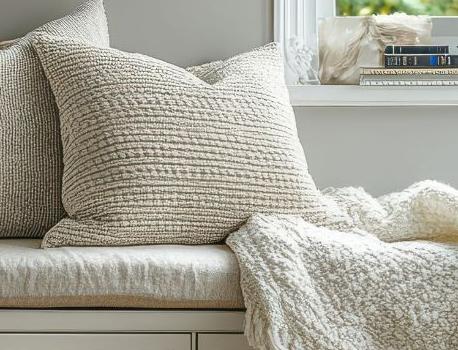
Home is where everyday life happens, but it can also be a place to step away from the noise and recharge. You do not need a large house or a dedicated room to create a home relaxation space. With a little planning, an unused corner, spare bedroom or comfortable chair can become a place that feels distinctly your own.
Before buying furniture or choosing paint colors, think about what you actually want to do in the space. Maybe you want somewhere to read, listen to music, enjoy your morning coffee, stretch, work on a hobby or simply sit quietly for a few minutes.
Your answer can help determine what the space needs. A reading area might need a comfortable chair and good lighting, while a hobby space may benefit from a sturdy table and accessible storage.
The goal is not to create a picture-perfect room. It is to create a space that supports something you genuinely enjoy.
Look around your home for areas that could serve a new purpose. A corner of a bedroom, part of a home office, an enclosed porch or an underused section of a larger room could work.
Pay attention to what you see and hear from the space. A spot near a window may provide natural light, while a quieter area may be better if your goal is to read or relax without distractions.
If you are shopping for a home, think about these possibilities during your search. A room does not necessarily need to be labeled a "relaxation space" to become one.
Comfort is what makes a space worth returning to. Start with the basics:
Once the practical elements are in place, add details that make the space personal. A favorite blanket, artwork, books, plants or photographs can help distinguish the area from the rest of the home.
Try to avoid filling every available surface. A relaxing space can benefit from having a clear purpose and fewer distractions.
You can also create a simple routine around the space. Put your phone away while reading, make a cup of tea before sitting down or use the area for a few quiet minutes at the end of the day. The space becomes more useful when it is connected to something you enjoy.
Creating a home relaxation space does not have to involve a renovation or major expense. In fact, one of the easiest approaches is to work with what you already have.
A comfortable chair beside a window, a small table for your morning coffee or a cleared corner for stretching can be enough. If you are preparing to sell, keeping these areas simple and uncluttered can also help potential buyers envision how they might use the space themselves.
The best home relaxation space is one that fits naturally into your life. Start with the activities you enjoy, choose a practical location and focus on comfort before decoration. Whether you have an entire room or only a few square feet, a thoughtfully arranged space can give your home one more place to pause and recharge.
Choose a quiet area that fits an activity you enjoy, then add comfortable seating, appropriate lighting, useful storage and a few personal touches. You do not need a dedicated room to create a relaxing space.
Consider items that support how you plan to use the space, such as a comfortable chair, soft lighting, books, a small table, blankets, plants or hobby supplies. Keep the area organized so it remains inviting.
Yes. Look for an underused corner, part of a bedroom, a home office or another area that can serve a secondary purpose. A small, intentional setup can work just as well as a dedicated room.


 Erase note
 You currently have no custom folders