Sign In
Create an account and enjoy all the benefits of HAR.com!
Sign In
Sign in using social account


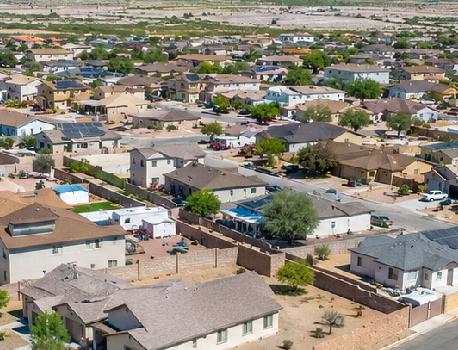
If you are considering a move to Horizon City, TX, understanding the local neighborhoods is the first step toward choosing a home that fits your budget, commute, and daily routine.
This growing community east of El Paso continues to attract buyers who want more space, newer homes, and access to regional job centers. However, not all areas in Horizon City, TX offer the same layout, price range, or amenities.
In this blog, you will get a detailed look at how Horizon City, TX, is structured, what types of neighborhoods are available, and how to narrow down your options with practical criteria.
Horizon City, TX, has grown steadily over the past two decades. While it began as a smaller suburban extension of El Paso County, it now stands on its own as a residential hub. Many buyers choose Horizon City, TX, for three main reasons: affordability, newer construction, and room to grow.
First, home prices in Horizon City, TX tend to be more accessible compared to central El Paso. As a result, first-time buyers and military families often focus their search here. Second, many areas feature homes built within the last 10 to 20 years. That means modern floor plans, updated systems, and energy-efficient features. Third, the city continues to expand eastward, which creates opportunities in developing areas where buyers can purchase new construction.
However, growth also means you need to evaluate each area carefully. Infrastructure, schools, and commute routes can vary depending on which part of Horizon City, TX, you choose.
Before selecting a home, it helps to understand how neighborhoods are arranged across Horizon City, TX.
Most residential areas consist of smaller homes. You will see subdivisions organized around loop streets, cul-de-sacs, and grid-style layouts. In newer sections of Horizon City, TX, builders often design communities with uniform architectural styles and landscaped entrances. In contrast, older areas may feature larger lots and more varied home designs.
Additionally, some areas operate under homeowner associations. HOA-managed neighborhoods in Horizon City, TX, typically maintain common spaces and enforce exterior standards. While that can help preserve property values, it also means monthly or annual dues. On the other hand, non-HOA neighborhoods provide more flexibility but place more responsibility on individual homeowners.
Because the city continues to develop, you will also find undeveloped parcels between established areas. Therefore, researching nearby construction plans is important before making a final decision in Horizon City, TX.
Certain neighborhoods consistently attract buyer interest due to location, home design, and amenities.
Horizon Mesa includes many newer homes and wide residential streets. Buyers looking for move-in-ready properties often start here. The areas in this section of Horizon City, TX, typically feature modern kitchens, open floor plans, and attached garages. Additionally, many homes sit on manageable lot sizes, which appeals to buyers who want lower yard maintenance.
Because Horizon Mesa is well-established, residents benefit from nearby retail and school access. As a result, it remains one of the more active real estate areas in Horizon City, TX.
Desert Hills offers a different setting. Homes here often sit on larger lots compared to other areas in Horizon City, TX. Buyers who prioritize privacy or need extra outdoor space tend to explore this section.
Although Desert Hills feels quieter, it still provides reasonable access to major roads. However, commute times may be slightly longer depending on traffic patterns. For buyers who work in El Paso but want more land, Desert Hills presents a balanced option within Horizon City, TX.
Emerald Park attracts people who want proximity to parks and schools. The neighborhoods in this area often include sidewalks and community green spaces. That layout supports outdoor activity and walkability.
Homes in Emerald Park range from single-story to two-story designs. Therefore, buyers with growing households frequently focus their search here. Like other parts of Horizon City, TX, resale inventory can move quickly, so preparation matters.
One of the defining features of Horizon City, TX, is its concentration of smaller homes. While architectural details vary, most areas include stucco exteriors, tile roofs, and Southwestern design influences.
Square footage typically ranges from 1,200 to 2,500 square feet. Smaller homes often appeal to first-time buyers or downsizers. Larger properties in certain areas of Horizon City, TX, offer multiple living areas, home offices, and extended patios.
Price ranges depend on age, size, and location. New construction in developing areas may come at a premium, especially when builders include upgraded finishes. Conversely, older homes in established parts of Horizon City, TX, sometimes present more negotiable pricing.
When comparing listings, focus on cost per square foot, property taxes, and HOA fees if applicable. This approach allows you to evaluate areas in Horizon City, TX, using consistent criteria.
For many, school zoning plays a major role in selecting neighborhoods. Horizon City, TX, falls within the Socorro Independent School District, which serves much of eastern El Paso County.
Elementary and middle schools are distributed throughout residential areas, which reduces long commute times for students. However, boundaries can shift as new areas develop. Therefore, confirm zoning directly with the district before purchasing a home in Horizon City, TX.
In addition to public schools, individuals may consider nearby charter or private options. Because Horizon City, TX, sits near El Paso, residents also have access to community colleges and universities within driving distance.
Access to amenities varies by location, but most areas in Horizon City, TX sit within a short drive of grocery stores and service businesses.
The city maintains several parks that include playgrounds and sports fields. These spaces contribute to the overall livability of Horizon City, Texas. People often choose areas based on proximity to these public areas.
Retail corridors continue to expand along major roads. As a result, residents no longer need to travel far for everyday needs. However, larger entertainment and dining options remain concentrated in El Paso. Buyers who want immediate access to nightlife may prefer neighborhoods closer to the western edge of Horizon City, TX.
Commute time can influence which areas make sense for your situation. Many residents of Horizon City, Texas, drive into El Paso for work. Travel time depends on traffic volume and road improvements.
Because most areas in Horizon City, Texas, are car-dependent, reliable transportation is essential. Public transit options exist but remain limited compared to larger metropolitan areas.
Before choosing a home, test your potential commute during peak hours. This step provides a realistic expectation of daily travel from specific areas.
Buyers in Horizon City, TX often face a choice between new builds and resale homes. Each option offers advantages.
New construction in expanding areas provides modern layouts and builder warranties. You may also select finishes and upgrades. However, landscaping may take time to mature, and surrounding construction can continue for months.
Established areas in Horizon City, Texas, offer fully developed streets and larger trees. Resale homes may include additions or customized features. On the other hand, you should budget for potential updates, especially in kitchens or bathrooms.
Evaluate long-term maintenance costs when comparing neighborhoods. Newer homes typically require fewer immediate repairs, while older properties might need upgrades sooner.
Although Horizon City, Texas, functions as a suburb, it maintains a community-oriented feel. Many areas host informal gatherings and seasonal events. Residents often connect through school activities and local sports leagues.
However, lifestyle preferences vary. Some buyers prefer quieter areas with minimal traffic. Others prioritize proximity to commercial centers within Horizon City, Texas. Because the city includes both developing and mature sections, you can match your home choice with your preferred pace of life.
Walk the area at different times of day before making a decision. Observe parking patterns, noise levels, and overall upkeep in the neighborhoods you are considering.
Finding the right home in Horizon City, Texas, requires a structured approach.
First, define your budget range, including taxes and HOA dues. This step will immediately eliminate certain areas.
Second, identify commute limits. Map your workplace and compare drive times from different parts of Horizon City, Texas.
Third, list non-negotiable features. For example, you may need a three-bedroom layout or a large backyard. Certain areas specialize in specific lot sizes or floor plans.
Fourth, tour homes in person. Online listings provide a starting point, but visiting neighborhoods helps you evaluate street conditions and overall atmosphere.
Finally, work with a local real estate professional who understands market trends in Horizon City, Texas. An experienced agent can highlight which areas retain value and which areas are experiencing faster appreciation.
Because Horizon City, Texas, continues to expand, long-term growth remains a consideration. Infrastructure projects and new commercial developments can influence property values across different areas.
However, not all growth benefits every area equally. Proximity to major roads or retail centers may increase demand in certain parts of Horizon City, Texas. Conversely, heavy construction could temporarily disrupt daily life in nearby areas.
Research zoning plans and development announcements before purchasing. This due diligence ensures that your investment in Horizon City, Texas, aligns with long-term goals.
Selecting the right home requires more than comparing square footage. You need to evaluate commute times, school access, HOA rules, and the overall layout of the areas you are considering.
Horizon City, TX, offers a range of residential options, from newer builder communities to established areas with larger lots. Because development continues, buyers can still find opportunities that match both lifestyle needs and financial plans.
By defining priorities and researching carefully, you can move beyond surface details and choose a property in Horizon City, Texas, that supports your long-term goals. The key is to treat each set of neighborhoods as distinct, compare them objectively, and make a decision based on facts rather than assumptions.
Property taxes in Horizon City, Texas, depend on assessed home value and local tax rates, which apply consistently across areas. However, newer homes in certain areas may have higher assessed values, which can increase annual tax costs.
While many areas in Horizon City, Texas, feature builder-designed homes, some areas offer opportunities for custom construction on larger lots. Availability depends on remaining land and zoning rules.
Certain areas in Horizon City, Texas, organize local gatherings, school activities, or seasonal events. Community involvement often depends on HOA participation and resident engagement.




 Erase note
 You currently have no custom folders