Sign In
Create an account and enjoy all the benefits of HAR.com!
Sign In
Sign in using social account


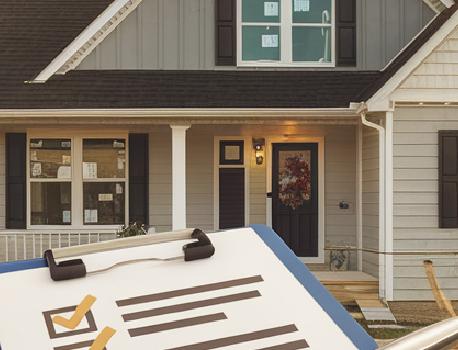
Are you planning to sell your property and wondering how to handle necessary repairs and concessions? Negotiations and home repairs present a challenging terrain when selling a property. Many sellers face the dilemma of deciding whether to invest in repairs or offer concessions to make the sale smoother and more appealing to buyers. Your choices in this regard can impact your sale's success and profitability.
Let's explore how to determine the scope of repairs or concessions, ensuring a successful transaction while maximizing your property's value.
A thorough home inspection is the first step in evaluating the extent of repairs needed before selling a property. This inspection provides a complete understanding of your property's current condition and highlights any issues that need addressing.
Hire a licensed home inspector for an accurate and detailed assessment. A professional inspector will evaluate critical areas of the property, including its structural integrity, electrical systems, plumbing, roofing, foundation, and HVAC systems. This comprehensive inspection is essential for identifying all potential home repairs that could affect the property's marketability and sale price.
Once the inspection is complete, review the report to identify and categorize issues. These might range from minor cosmetic flaws to major safety hazards or structural problems. Knowing the extent and nature of each problem helps you organize the steps needed for concessions or repairs when selling a property.
After receiving the inspection report, the next step is to assess the scope of home repairs needed. This assessment helps prioritize repairs and decide on the best course of action.
Organize the identified repairs into three main categories:
Address critical issues that impact safety or the home's structural integrity, such as electrical hazards, major roof leaks, or foundation problems. These repairs are often required to comply with safety regulations and to meet lender criteria, which is crucial for buyers who need financing.
These repairs are essential for the property's proper functionality but are not immediately critical. Examples include outdated plumbing fixtures or an inefficient HVAC system that requires upgrading.
Focus on cosmetic or minor issues, such as chipped paint or worn-out flooring, which do not affect the property's safety or overall functionality but can enhance its visual appeal.
Begin by focusing on essential repairs, which are vital for meeting safety standards and securing financing for potential buyers. Prioritizing these repairs shows your commitment to maintaining the property's quality, which can lead to a smoother selling process.
Understanding the financial implications of repairs is essential for making informed decisions when selling a property. Accurate repair estimates will help you weigh the costs against potential benefits and determine the best approach for selling a property successfully.
For significant home repairs, seek quotes from several reputable contractors. This approach provides a range of cost estimates and helps you choose the most cost-effective solution. Ensure that each estimate includes a detailed breakdown of the scope of work, materials needed, and labor costs.
Evaluate whether the cost of repairs will provide a substantial return on investment or if offering a concession might be more advantageous. Compare the estimated repair costs with the potential increase in the property's sale price to determine the most effective property selling strategy.
Evaluating how home repairs impact your property's market value is essential for strategic decisions when selling a property.
Review recent comps of properties in your area to understand how repairs or lack thereof might affect your property's value. This comparative analysis helps determine whether making repairs is worth the potential increase in the sale price or if concessions could be a better option when selling a property.
Market conditions influence investment decisions, with seller's markets where demand exceeds supply potentially requiring less attention to every issue. Conversely, in a buyer's market, where supply exceeds demand, making home repairs or offering concessions can enhance your property's attractiveness and increase your chances of a successful sale.
Concessions can be a practical alternative to performing repairs, making your property more appealing to potential buyers.
Instead of making extensive repairs, consider offering a price reduction or a credit at closing. Financial concessions allow buyers to handle repairs according to their preferences and can expedite the sale process. This approach can be beneficial when selling a property in a competitive market.
As a service concession, offer to pay closing fees, give a house warranty or grant other requests from the buyer. By lowering the buyer's out-of-pocket costs, these solutions can increase the appeal of your house without necessitating immediate repairs.
Effective communication with the buyer is vital to successful negotiations and favorable outcomes when selling a property.
Share the inspection report with the buyer and discuss the necessary home repairs or concessions. Transparency about the property's condition builds trust and facilitates open discussions, leading to a smoother negotiation process.
Engage in negotiations with a willingness to find a mutually agreeable solution. Balance the buyer's requests with your ability to make repairs or offer concessions. Good faith negotiations help resolve any concerns and can lead to a successful property sale agreement.
Documenting all agreements related to home repairs or concessions when selling a property clarifies and prevents misunderstandings.
Clearly outline all agreements in the purchase agreement, specifying the details of repairs, responsibilities, and timelines. This documentation ensures both parties understand their obligations and helps avoid confusion during the closing process.
Include contingencies related to repairs in the agreement. Clearly define the conditions under which you must complete repairs and ensure both parties agree on these terms. This step helps prevent potential issues during the closing process when selling a property.
If you agree to make repairs, arrange a re-inspection to confirm that the work meets the buyer's expectations. A re-inspection ensures you resolve all issues and prevents delays in closing the sale.
Determining the scope of home repairs or concessions is a pivotal aspect of selling a property. By assessing inspection reports, prioritizing essential maintenance, and understanding the impact of market conditions, you can make informed decisions that enhance your property's appeal. Effective communication with buyers and precise documentation of agreements ensure a smooth transaction. Implementing a well-defined strategy can improve property value and streamline the selling process by balancing repair costs with benefits and strategic concessions.
When selling a property "as-is," disclose all known issues in the inspection report to potential buyers. You may still need to address significant safety concerns or regulatory matters but be upfront about the property's condition. Offering concessions or a lower sale price can help offset the lack of repairs.
If you receive multiple concession requests when selling a property, evaluate each offer based on the overall benefits and feasibility. Prioritize concessions that provide the most value in closing the deal, and be transparent with all buyers about your decisions and limitations.
Review the inspection report and compare it with the agreed-upon repairs. If discrepancies exist, discuss them with the buyer to reach a mutual understanding or adjustment to the repair terms. Document any changes or resolutions in writing.




 Erase note
 You currently have no custom folders