Sign In
Create an account and enjoy all the benefits of HAR.com!
Sign In
Sign in using social account


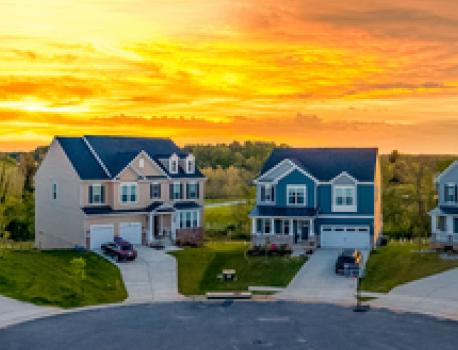
Homeowners Associations (HOAs) are crucial in many residential areas across the United States. These associations enforce rules and regulations, maintain common areas, and often provide amenities to residents. Living in a neighborhood with a Homeowners Association can significantly impact homeowners' daily lives and property values.
This blog explores the benefits and drawbacks of residing in such communities, providing insights for potential homeowners to consider before deciding.
Homeowners Associations maintain common areas such as parks, swimming pools, and community centers, ensuring they are well-kept and accessible to all residents.
For example, in your HOA-governed neighborhood, the community park is consistently maintained with neat lawns and regularly serviced playground equipment. This upkeep enhances the neighborhood's appearance and fosters community pride among homeowners.
Homeowners Associations enforce rules regarding the appearance of homes and yards, leading to a uniform and aesthetically pleasing neighborhood. This creates a consistent and attractive area. These rules help maintain property values and foster a cohesive community look.
Residents and potential buyers value the uniformity of these guidelines, as they enhances the area's appeal. This approach prevents any property from standing out negatively, promoting a balanced and attractive environment for all residents.
Homeowners Associations help maintain and potentially increase property values by enforcing rules that prevent neglect or unsightly modifications. These regulations contribute to well-maintained homes and common areas, enhancing curb appeal and attractiveness to buyers. Studies show homes in
HOA-regulated neighborhoods generally sell for higher prices than those in non-HOA neighborhoods. This premium reflects the assurance of consistent upkeep and adherence to community standards, making HOA areas a wise investment for homeowners.
Many Homeowners Associations provide amenities such as swimming pools, gyms, clubhouses, tennis courts, and playgrounds, which are maintained through HOA dues. For example, an area can have a clubhouse and fitness facilities covered by these dues, creating spaces for socializing and recreation.
These amenities encourage interactions among neighbors, fostering an intense community atmosphere. They contribute to a more enjoyable neighborhood environment where residents can gather and participate in activities.
Homeowners Associations provide a mechanism for resolving neighbors' noise, property boundaries, and maintenance disputes. They facilitate mediation and enforce resolutions, minimizing tensions and fostering cooperation among neighbors. This structured approach ensures a peaceful and well-maintained neighborhood environment over time.
Some Homeowners Associations provide security services, including gated access, security patrols, and surveillance systems, which can enhance the area's safety. Additionally, visible security features can increase property value and attract potential homeowners seeking a safe community.
HOAs charge monthly or annual fees to cover maintenance, amenities, and administrative expenses. These costs cover landscaping, area maintenance, insurance, and administrative expenses. Fees can be substantial and may increase over time to meet rising costs.
Homeowners should budget for these expenses and understand their financial obligations before buying a property in an HOA-managed area. This ensures they can manage costs effectively while benefiting from community amenities and maintained areas.
HOA rules can be restrictive, limiting homeowners' freedom to change their property. These rules cover things like paint colors, landscaping, and holiday decorations. Our community enforces these guidelines rigorously to maintain a unified look.
While the rules aim to preserve property values and ensure visual harmony, they can stifle homeowners' creativity in customizing their homes. This can frustrate those who value individuality and want to personalize their living spaces.
Living in an HOA area involves challenges with rule enforcement. Homeowners Associations can fine homeowners for rule violations, leading to strict or inconsistent enforcement conflicts, such as disputes over fence heights or outdoor furniture placement.
Resolving these issues requires clear communication and negotiation between homeowners and HOA representatives to build trust and cooperation within the area.
Due to the authority of the homeowners' associations, homeowners may feel they have limited control over their property and community. The board makes these decisions, which may not always match residents' preferences. Major changes or financial decisions, such as special assessments or bylaw amendments, can raise concerns about representation and transparency.
Effective governance and clear communication are vital to address these issues and ensure fair participation in neighborhood affairs. Balancing community standards with homeowner autonomy remains a challenge in many HOA-managed areas.
Homeowners Associations sometimes mismanage funds, leading to financial instability or insufficient maintenance. Homeowners often lack effective ways to address these issues, undermining trust in HOA leadership.
Allegations of financial wrongdoing or insufficient reserve funds frequently result in demands for more accountability. Regular financial audits and transparent budgeting practices ensure HOA resources are managed responsibly, safeguarding the neighborhood's financial stability and upkeep.
HOA boards can sometimes become overly authoritative, making decisions that benefit a few rather than the community. These boards may make decisions that benefit a few residents rather than the whole community, causing dissatisfaction among homeowners.
Contentious topics like pet rules or architectural control often spark debates over fairness and representation in HOA governance. Promoting open dialogue and democratic decision-making is crucial to addressing these challenges. This approach helps prevent power imbalances and ensures fair outcomes for all homeowners in the area.
Living in an area with a homeowners association offers several advantages, such as maintained common areas, aesthetic consistency, and various amenities, which can enhance property values and quality of life. However, these benefits come with the trade-offs of fees, restrictions, and potential conflicts with the homeowners' associations.
It is essential for prospective homeowners to carefully review the HOA's rules, fees, and governance structure before deciding to move into a community with a homeowners association. By understanding the benefits and drawbacks, homeowners can make informed decisions that align with their lifestyle preferences and long-term financial goals.
A special assessment is an additional fee charged to homeowners when the HOA needs to cover unexpected expenses or fund large projects that exceed the annual budget. For example, if major repairs are needed after a storm, the Homeowners Associations might levy a special assessment to cover the costs.
Homeowners cannot typically opt out of homeowner associations once they purchase property within the HOA-managed area. Membership and adherence to the homeowner association rules are usually mandatory, as outlined in the community's covenants, conditions, and restrictions (CC&Rs).
While a homeowners association cannot directly evict a homeowner, it can take legal action to enforce rules and collect unpaid dues. In extreme cases, the association may place a lien on the property, which can lead to foreclosure if the homeowner fails to resolve the issue.


 Erase note
 You currently have no custom folders