Sign In
Create an account and enjoy all the benefits of HAR.com!
Sign In
Sign in using social account


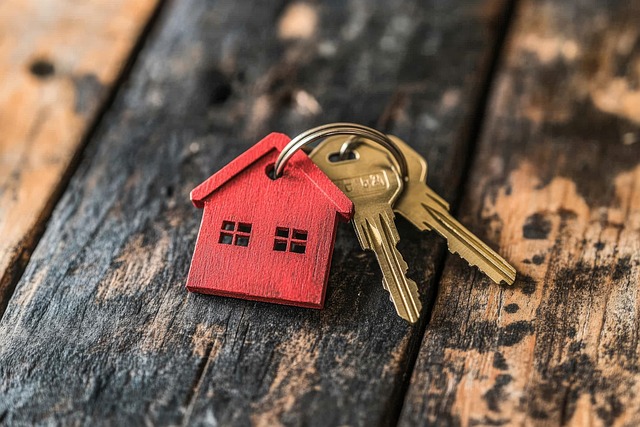
Have you ever considered the influence weather has on the homes built in Fort Bend County? From the choices of materials used to building the structure, Texas weather has been taken into consideration. The seasonal weather of Houston can include heat, humidity, heavy rainfall, high winds and periods of calm, pleasant days. For these reasons, homes are constructed to sustain, adapt, and thrive regardless of what Mother Nature delivers. Let’s explore how homes across the region handle Texas weather conditions in every season of the year.
Around the region Spring could be described as warm, stormy, and with a dash of unpredictable. Temps begin the season in the 60s-70s and then comfortably settle into the 80s as we reach May. The most common weather events are humidity that ramps up quickly and thunderstorms (which can include hail, strong winds, and possibly a tornado). Because of this unpredictability, this is the season to keep an umbrella handy and the weather app on your phone.
Builders understand how to pair great housing with the weather conditions a home will face throughout the year. Choosing a home utilizing a pier-and-beam construction permits optimal air circulation underneath, protecting against flooding, and aids floors in staying cooler. This reduces moisture and heat which can grow mold. You’ll also notice homes favoring stucco, brick, or fiber cement siding—all materials that are durable, breathable, and can withstand humidity.
In addition to a roof design incorporating large eaves and using moisture-resistant building materials, home builders take into consideration the landscape and natural drainage of the lot. Ensuring the land’s grading creates paths to drain water flow away from the foundation is essential. Keeping gutters and drains clean of debris proactively stops blockage issues and overflow from happening. A well-maintained HVAC system with the use of dehumidifiers and ensuring exhaust fans are in bathrooms and the kitchen will keep moisture build-up at a minimum as well as vented directly outside. When a home’s moisture is managed, a mold-free living environment can be achieved.
Our Texas summer season is defined as hot and humid with temps regularly in the 90s and the heat index hovering between 100-110 degrees. Hurricane forecasts may begin as early as late May but often peak from August through September. Sudden downpours and tropical storms can pop-up with short notice.
When the heat and humidity are at their peaks, we crave cooler settings. Homes with lighter-colored shingles and higher-reflectivity coatings as their roofing materials are good choices. The addition of covered patios, shaded porches, roof overhangs, trees and shrubbery to boost shaded areas, and window placements in north/south orientations can aid homes in staying cooler while managing solar heat. Pairing your HVAC system with dehumidifiers and the use of ceiling fans increases comfort plus combats sticky humid air.
When the high winds are ranging and the rainfall is intense, homes with these structural designs have the best chances of withstanding the brutal forces:
• Short Eaves and Hip Roofs: These aerodynamic elements resist high-wind uplift and reduce wind leverage.
• Impact-Rated Windows + Hurricane Shutters: The installation of laminated glass with reinforced frames as well as hurricane shutters are two ways to keep flying debris from entering your home.
Read my blog post, Top Tips for Hurricane Preparedness, for more details on how to best prepare.
With temps hovering in the 70s-80s and the humidity levels noticeably lower, it’s easy to understand why the autumn season is favored. While tropical storms or hurricanes can still occur, there are fewer storms and more stable weather during this time of year.
While many enjoy outdoor living spaces year-round, you’ll notice an increased usage during this time of year as families utilize covered patios and porches. Autumn is a prime time to focus on home maintenance projects, yard clean-up and landscaping projects, planning a new addition, or tackling an upgrade project. It’s a great time to prepare and winterize your home ahead of the upcoming season.
The local winter season is characterized as mild with occasional drama. The temps typically stay in the 50s-60s range with some appearances in the 40s. Cold fronts and rare freezes, even a bit of snow or ice, can happen—but are less frequent. During these dramatic weather events, ice can be a big concern.
Houston home designs are optimized for winter by focusing on sealing against cold drafts, utilizing high-thermal mass materials such as brick or tile to retain natural warmth collected during the day then slowly releasing this warmth into the evening hours, and relying on open layouts a with the use of ceiling fans for interior heat circulation. With proper insulation and sealing any gaps around pipes, vents, doors and windows homeowners can rest assured that these preventative measures can guard against potential freeze events. By focusing on these things, homes can transition from the extreme heat in warmer months to colder days.
Prevent Drafts: When the colder temps move in, it’s time to put some extra practices into place to keep the cold out such as closing curtains, using door draft stoppers (aka door sweeps) or rolling a towel to place against the bottom of the door.
Drip the Faucets & Open Under Sink Cabinets: Moving water is less likely to freeze. Maintain a slow drip to aid in preventing water pipes from freezing. Opening sink cabinet doors allows warmer room temperatures to better surround the plumbing and keeps the pipes warm.
Check the Gas Levels: Be sure to ensure your fireplace, stove and outdoor grill are working. An outdoor propane grill could serve as a back-up cooking method, if needed. While you’re checking gas levels, be sure there’s plenty of fuel in each of your vehicles.
Sprinkler System Preparation: From the main controller, turn off the automatic sprinkler system. Drain the backflow preventer. Don’t forget to wrap pipes and cover exterior faucets.
Pool Equipment Preparation: To prevent frozen pipes, run your pump continuously. Should your home experience a power outage, turn off the pump and drain the equipment via the drain plugs to avoid cracks in the filter and pump.
Identify Your Water Main Shut-Off: Should a pipe burst, it’s essential to know where to turn off the water instantly.
Since 2004 Sara Lyn Nguyen continues to bring a wealth of knowledge and expertise about buying and selling real estate around the Houston area to those she serves. Sara is a multi-year award winning REALTOR® and relocation specialist where her clients trust her to have up-to-date information on the real estate market. She has been one of Gary Greene’s Multi-Million Dollar Top Producers, and citywide was the #2 Top Producing agent in 2020, #3 in 2021, #2 in 2022, #5 in 2023 and 2024. When it’s time to buy, sell, invest, or relocate speak with a trusted professional knowledgeable in the homes and neighborhoods of Fort Bend/Sugar Land and the surrounding region.




 Erase note
 You currently have no custom folders