Sign In
Create an account and enjoy all the benefits of HAR.com!
Sign In
Sign in using social account


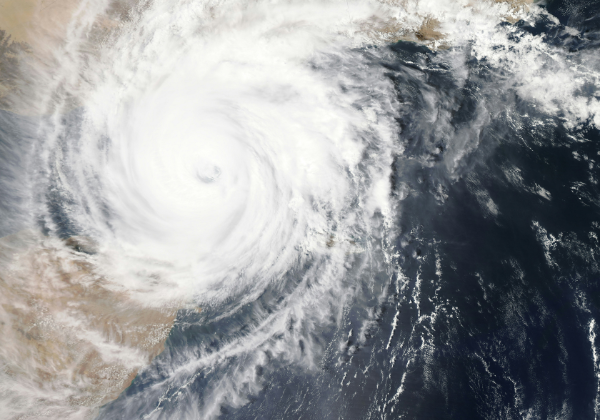
The sounds of gentle rain suddenly intensify. The winds begin to pick up around the same time you notice the graying sky deepens another shade darker. This is when you reach for your phone to search for a weather update and realize a hurricane alert has been issued for the Houston region.
June often signals the start of hurricane season across Texas with peak season being around August even though hurricane season can push into October. These months are when the locals stay alert and rely on their hurricane preparedness plans. Now is the perfect time to review your supplies and make any needed additions. Should this type of weather arrive, will you know what to do and how to prepare ahead of time? With a bit of foresight, you can make a preparedness plan so you’re not caught unaware.
Take a moment to review these tips and be assured you’re as prepared as you can be should an intense storm arrive.
The most damaging aspects of a hurricane are water damage from flooding and wind damage. The heavy rainfall can lead to water surges along waterways—breaching banks and pushing water to inland areas that are typically dry. Strong hurricane winds can cause structural damage to buildings, tear off roofs, and blow out windows. This debris can then become dangerous projectiles. The safest places to take shelter is indoors on the first floor, away from windows and doors, in interior rooms, or in a small, windowless room like a bathroom or closet. Be prepared for the possibility of extended outages of power, water, gas, phone, and internet.
How’s the condition of your roof? Consider the roof’s age and its hurricane protection rating. Look for signs of rust, signs of wear, prior damage, or loose shingles. Trim any tree branches too close to the house. It’s better to trim than discover a branch or whole tree has fallen against the home causing sizable damage.
Boarding windows can help but installing hurricane shutters provides a greater layer of protection. These types of shutters come in various forms such as accordion, Colonial, Bahama and roll-up. Each style offers different levels of protection and aesthetics.
If you’ve been wanting to replace windows, consider the installation of impact windows. Impact windows are constructed with reinforced frames and impact-resistant glass to withstand high winds, flying debris, and other severe weather conditions.
Review the flood-proofing measures around your home. Have sandbags ready. These can be quickly placed near an entry door to help block directional flooding as the winds shift. Seal any found cracks in the foundation or exterior walls. Install weather-stripping and strong hinges on doors. If possible, raise air conditioning units to keep flood waters out. Add a covering around your HVAC system to give it another layer of protection. Clean downspouts and direct spouts as far away from the home as possible.
Check your homeowner’s insurance policy to ensure you are covered in the event of water and wind damage. It may be necessary to add an additional rider for wind damage. There are separate flood insurance policies that may meet your needs and can provide this necessary coverage.
To prepare for a hurricane, you should have a basic emergency kit with supplies like water, food, first aid, a radio, a whistle, flashlights, batteries, and some cash. A 72-hour kit with at least a 3-day supply of non-perishable food, water, and medications is a good starting point. Additional items can include personal hygiene items, a manual can opener, and documents. Use your BBQ grill for cooking during a power outage. Don’t forget to include a wrench and pliers to turn off utilities, should this be necessary.
HANDY TIPS
Monitor local weather forecasts as well as warnings provided by the National Weather Service. Keep an eye on the hurricane's path. If it looks like it may approach your area within 20-36 hours, you should begin to evacuate. If officials order your area to evacuate, leave as soon as possible. If there is time to do so safely, secure your home. Unplug appliances and turn off electricity and the main water valve. If time permits, elevate furniture to protect it from flooding or move it to a higher floor.
Texas Division of Emergency Management (TDEM)
National Weather Service
Houston-Galveston Area Council (H-GAC)
Providing hurricane zone maps and evacuation route information.
Houston Office of Emergency Management (HOEM)
Houston Food Bank
Since 2004 Sara Lyn Nguyen continues to bring a wealth of knowledge and expertise about buying and selling real estate around the Houston area to those she serves. Sara is a multi-year award winning REALTOR® and relocation specialist where her clients trust her to have up-to-date information on the real estate market. She has been one of Gary Greene’s Multi-Million Dollar Top Producers, and citywide was the #2 Top Producing agent in 2020, #3 in 2021, and #2 in 2022. When it’s time to buy, sell, invest, or relocate speak with a trusted professional knowledgeable in the homes and neighborhoods of Fort Bend/Sugar Land and the surrounding region.




 Erase note
 You currently have no custom folders