Sign In
Create an account and enjoy all the benefits of HAR.com!
Sign In
Sign in using social account


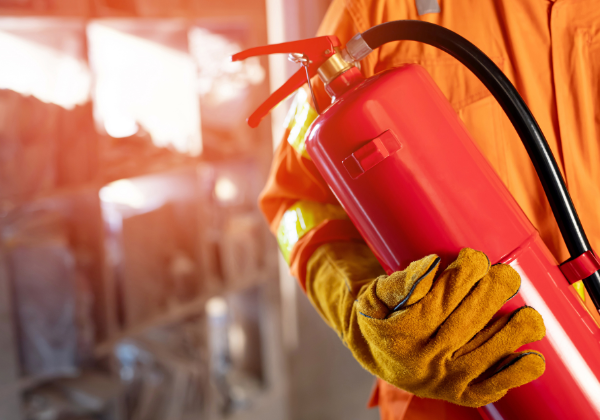
With the increased news coverage around the recent Los Angeles wildfires, it’s natural to think about fire safety around your home. If fire would start, is your home ready? There are numerous things a homeowner can put into place to heighten fire prevention and safety. Fire safety starts first with prevention. After prevention, time is of the essence to be alerted to a fire or smoke condition. Let’s review some safety tips for existing homes as well as new-construction homes.
Your choice in siding materials can add additional time for occupants to evacuate a burning structure and can save lives. Homes built using fire-resistant materials such as tile, stone, brick, metal, fiber-cement, or clay stucco reduce the quantity of combustible materials.
When considering which roofing material to use, these fire-resistant options are some of your top choices: tile, slate, metal, or clay shingles. Keep this in mind for new builds but also when it’s time to replace an existing roof. Today’s market for roofing options includes a wider variety of fire-rated materials and includes a variety of aesthetics, too. For new builds, consider steeper roof slant designs to fend off outside blazes better than a flat roof or other gradual roof inclines.
Let’s think about door options. A denser door will give greater protection than a lightweight, hollow door. A metal door holds off fire better than a wooden door. Doors come with fire-resistant ratings so be sure to inquire about these ratings before finalizing your purchase. A closed door creates a barrier for smoke and flames to pass-through. It’s worth the investment to install dense doors throughout your home plus get in the habit of sleeping with bedroom doors closed. Closing doors to less-used rooms also adds another layer of fire protection—keeping smoke and flames out.
Double-pane windows add an additional layer of protection. Glass can shatter in the intense heat of a fire. And if you remember from science class, oxygen fuels fire. A single pane window is more likely to break allowing oxygen in and flames to fan quickly around a room. Discuss with your window installation company about choosing a tempered glass as well as either a steel or aluminum window frame. This will be a winning combination to give you increased window protection.
Electrical fires are among the leading causes of residential fires. Before attempting any DIY electrical projects, make certain you have the know-how to safely perform any electrical work. When in doubt, hire a professional.
Get in the habit of removing dryer lint after each laundry load. Keeping the lint build-up removed, takes away a combustible, plus increases better air flow for more efficient drying. Also, check the outside vent to ensure there are no build-ups or blockages. A good rule to follow is booking an annual cleaning with a duct cleaning service.
Don’t neglect installing fire and smoke detectors and consider if it makes sense to install a sprinkler system. Did you know there are detectors for smoke, fire, and combination detectors which will detect both smoke and fire? The National Fire Protection Association (NFPA) recommends a detector be installed outside of general sleeping areas and on each level of your home, near stairways, and within ten feet of cooking appliances and in the laundry area. That tiny beep can save lives and becomes your first alert. Having a sprinkler system can help to detect and suppress fires early.
Installing a smart HVAC system is another option for alerting you to a fire condition that needs extinguished. This type of system is alert whether you’re home or at work and can contact first responders of a problem at your residence—dispatching help to respond quickly.
Having fire extinguishers at key locations around the home and garage is a smart fire safety practice. Each kitchen, laundry room, and garage should have a fire extinguisher. Kitchen fires are among the top causes of house fires. Even the youngest elementary student can learn to safely use a fire extinguisher. Some schools teach PASS to their students during Fire Safety Week. PASS stands for:
Pull the pin.
Aim the nozzle at the base of the fire.
Squeeze the lever to discharge the extinguishing agent.
Sweep the nozzle from side to side until the fire is out.
When purchasing fire extinguishers, take note if the devices are refillable or disposable. Devices will vary and these devices do have expiration dates.
Be mindful when disposing of ashes from a fireplace or outdoor fire pit. A good practice is to wet the remaining ash or place the remains in a metal container. Never leave a fire unattended.
Put some distance between any wood piles and the exterior of your home. The same can be said for fuel for outdoor grills. Think about where these items are stored and add a space barrier. This distance can give you added minutes to stop a fire or keep a fire from spreading to a nearby fuel source.
Around the yard, remove potential kindling. Take care in the yard to keep dried leaves raked and away from the foundation of your home. Collect fallen branches and keep the tree branches around the house trimmed.
Annually have your chimney cleaned and any needed maintenance taken care. It’s important to remember not all wood sources are ideal for burning in a fireplace. For instance, avoid pine to reduce build up inside a chimney from the sap that becomes a combustible.
Have conversations with your family members around having a fire exit plan. It’s important to talk about how to exit from each room in your home and where to meet outdoors to ensure everyone is safe and accounted for. Routinely test your smoke detectors. In less than five minutes you’ll have peace of mind that all devices are working properly. When clocks are reset for daylight savings time in the spring and fall, use this reminder to change the batteries on all of the detectors. And, practice using a fire extinguisher. When you’re prepared, you will know what to do should an unexpected fire start. If your home has two-stories, consider installing escape ladders under windows in each bedroom or other key locations. All family members can take part in practicing fire safety.
Since 2004 Sara Lyn Nguyen continues to bring a wealth of knowledge and expertise about buying and selling real estate around the Houston area to those she serves. Sara is a multi-year award winning REALTOR® and relocation specialist where her clients trust her to have up-to-date information on the real estate market. She has been one of Gary Greene’s Multi-Million Dollar Top Producers, and citywide was the #2 Top Producing agent in 2020, #3 in 2021, and #2 in 2022. When it’s time to buy, sell, invest, or relocate speak with a trusted professional knowledgeable in the homes and neighborhoods of Fort Bend/Sugar Land and the surrounding region.




 Erase note
 You currently have no custom folders