Sign In
Create an account and enjoy all the benefits of HAR.com!
Sign In
Sign in using social account


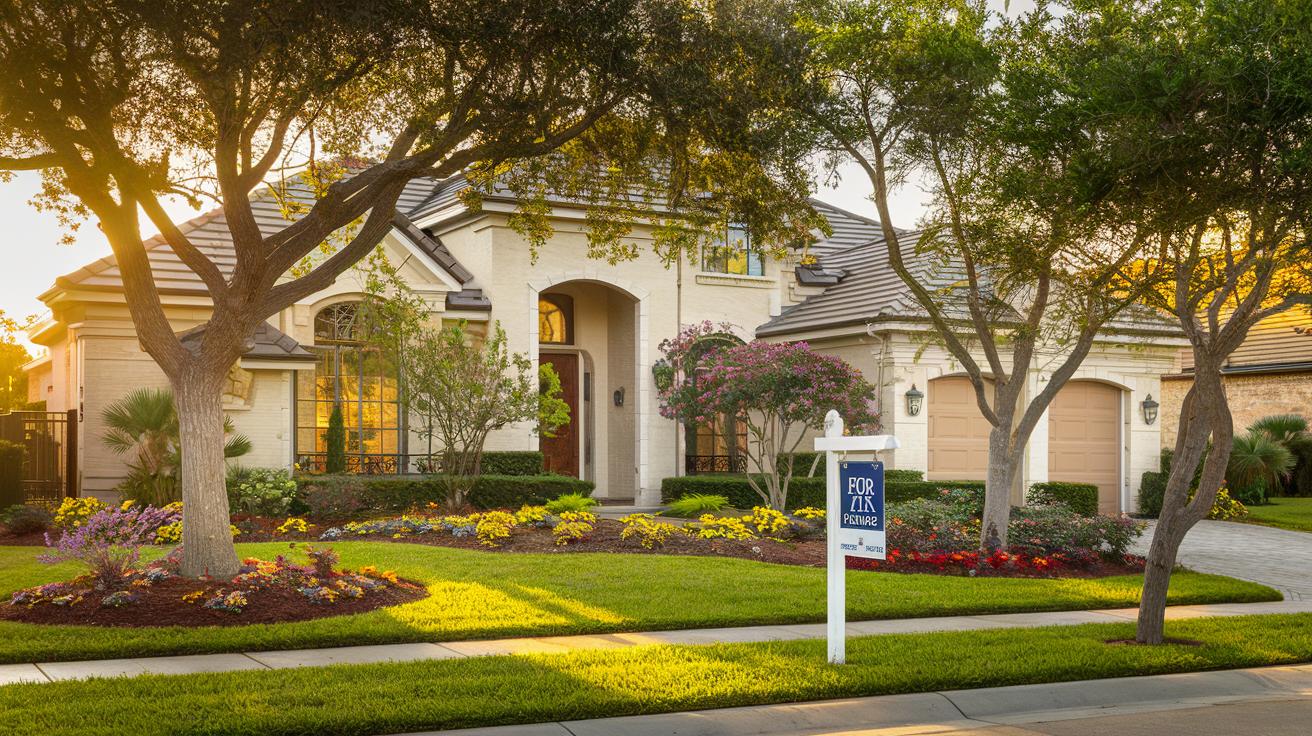
Buying your first home is an exciting milestone, but the homebuying process can also feel overwhelming. From setting a realistic budget to understanding mortgage costs and evaluating the neighborhood, first-time homebuyers have several important decisions to make before purchasing a property.
The good news is that you don't have to navigate the process alone. With the right information and preparation, you can make confident decisions, avoid common first-time homebuyer mistakes, and find a home that fits both your lifestyle and your finances.
Here are seven essential things to know before buying your first home.
One of the most important first-time homebuyer tips is to determine how much house you can comfortably afford—not simply how much a lender is willing to approve.
Start by reviewing your income, existing debts, savings, and monthly expenses. Your budget should include more than the mortgage payment. Consider property taxes, homeowners insurance, utilities, HOA fees, closing costs, maintenance, and unexpected repairs.
It's also wise to maintain an emergency fund after purchasing your home. A realistic budget can help you avoid becoming "house poor" and give you greater financial flexibility after closing.
A home may look perfect during a showing, but a professional inspection can uncover issues that aren't immediately visible.
A qualified home inspector can evaluate major components of the property, including the roof, foundation, plumbing, electrical systems, HVAC equipment, and other structural elements. The inspection report can help you understand the home's condition and determine whether repairs or additional negotiations may be necessary.
Tip: Attend the inspection when possible and ask questions about anything you don't understand. The goal isn't to find a perfect home—it's to understand what you're buying.
Buying a home means buying into a community. Before making an offer, research the neighborhood carefully.
Consider factors such as:
Visit the area at different times of day and, if possible, on both weekdays and weekends. A neighborhood that feels perfect during an afternoon showing may feel very different during rush hour or late at night.
Understanding mortgage basics can make the homebuying process much easier.
Learn how your interest rate, loan term, down payment, monthly principal and interest, property taxes, homeowners insurance, and closing costs affect the total cost of purchasing a home.
Don't automatically choose a mortgage based only on the lowest advertised rate. Compare loan terms, fees, estimated monthly payments, and the overall cost of borrowing.
If you're a first-time homebuyer, asking a lender to explain unfamiliar mortgage terms can help you make a more informed decision.
Owning a home comes with responsibilities that renters may not have. When something breaks, you are generally responsible for arranging and paying for the repair.
Create a home maintenance budget for expenses such as:
You should also understand your homeowners insurance coverage and what it does—and does not—protect. Planning for these costs from the beginning can help prevent unpleasant financial surprises.
Your first home doesn't have to be your forever home, and it probably won't have every feature on your wish list.
Instead of searching for a "perfect" house, separate your priorities into three categories:
Must-haves: Features you genuinely cannot compromise on.
Nice-to-haves: Features that would improve your experience but aren't essential.
Deal-breakers: Problems or conditions that would make the property unsuitable for you.
This approach can make your search more focused and help you avoid overpaying simply because a property has attractive upgrades or finishes.
Buying a home is a major financial commitment, so avoid making a decision based solely on emotion or pressure.
Review the property's condition, neighborhood, financing options, monthly costs, and long-term suitability before making an offer. Ask questions whenever something is unclear, and work with qualified real estate and mortgage professionals when you need guidance.
Remember: there will always be another home. A thoughtful decision is more valuable than rushing to win a bidding war or secure a property that doesn't fit your financial goals.
Buying your first home doesn't have to be complicated when you know what to expect. By setting a realistic budget, getting a home inspection, researching the neighborhood, understanding your mortgage, preparing for maintenance, and keeping your expectations realistic, you can approach the process with greater confidence.
The best first-time homebuyer strategy is to do your research, understand the true cost of homeownership, and make decisions based on your financial situation and long-term goals.
With careful preparation and the right guidance, buying your first home can be not only a major milestone but also a rewarding long-term investment.




 Erase note
 You currently have no custom folders