Sign In
Create an account and enjoy all the benefits of HAR.com!
Sign In
Sign in using social account


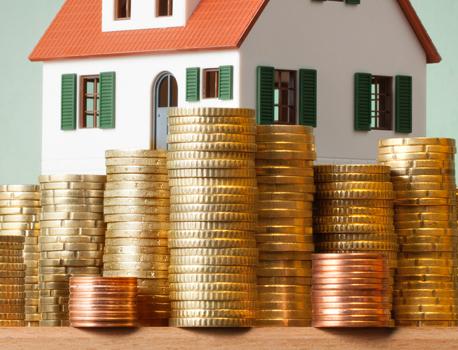
It's a heated debate that rivals French press versus pour-over coffee and Star Wars or Star Trek. But while all three topicsmight get passionate believers on both sides all worked up, investing or paying off your mortgageis a choice with serious financial consequences.
Here's how to know which way to go.
To decidebetween the two, Justin Goodbread, a certified financial planner in Knoxville, Tennessee, suggests you consider six variables:
Your home's current market value
Your mortgage interest rate
Home appreciation in your area
Your income tax rate
Expectations for inflation
An assumed rate of investment return
In an analysis on his blog,Financially Simple, Goodbread used national averages for these six parameters to compare different scenarios between investing and paying off a home loan early.
The math on each of these what-ifs favored investing over paying off a mortgage.
But, of course, Goodbread says the real answer to the question Invest or pay off your mortgage? depends on your situation. When pressed for a rule of thumb, he offered two:
You're a conservative investor, in a low tax bracket with a high mortgage interest rate
You're an aggressive investor, in a high tax bracket with a low, 30-year, fixed mortgage interest rate
You're younger than 50
According to Goodbread and Ric Edelman, founder of Edelman Financial Services in Fairfax, Virginia, the primary reasons for carrying a mortgage and not accelerating payments onthe principal include:
Homeowners need to maintain liquidity.If you have a financial emergency, cash reserves are essential. Homeowners who pour every dime into paying off their mortgage early might not have a cash cushion. You've essentially buried the money in the walls of the house, Edelman says.
A mortgage doesn't affect a home's value.The house itself doesn't care if it has debt on it or not, Goodbread says. Over the long term, it's likely to appreciate regardless of the amount you owe on it, he adds.
Mortgage interest is inexpensive.Because the mortgage is secured by the value of the home, interest rates are much cheaper than for credit cards and personal loans and the interest you pay is tax deductible.It's likely the cheapest money you'll ever borrow, Edelman says.
Mortgage payments get easier with time.They're often a budget stretch for young homeowners, but with a30-year fixed mortgage, time is on your side. As the effects of inflation and a growing income take hold, that monthly payment gets easier and easier to make, Edelman says.
Investments will outperform the interest cost of the mortgage over the long term.That scares some people, Edelman concedes, because of the stock market crash of 2008. However, he's not advocating 100% stock investments, but rather a diversified mix of investments built for a 30-year time frame. That period matches the term of a fixed-interest rate mortgage.
Wealth is created by investing, Edelman says, not by paying down debt.
But what about noted author and radio host Dave Ramsey's advocacy of debt-free homeownership?
I'm right; he's wrong! Edelman laughs. He's quick to add: Dave and I are talking to two very different groups of people.
Edelman says Ramsey often advises people who in the past have demonstrated an inability or an unwillingness to properly manage their personal finances, particularly debt.
And Dave correctly recognizes that for these folks, credit is a drug, Edelman says. For them, abstinence is essential. And elimination of debt and avoidance of debt is necessary.
But for homeowners who manage debt responsibly, Getting a big, long mortgage and never paying it off is the smartest, safest strategy to use, he says.
With one caveat:Many people buy homes they simply can't afford, Edelman says. He advises limiting your mortgage to a payment that is no more than 30% of your income, before taxes and deductions.




 Erase note
 You currently have no custom folders