Sign In
Create an account and enjoy all the benefits of HAR.com!
Sign In
Sign in using social account


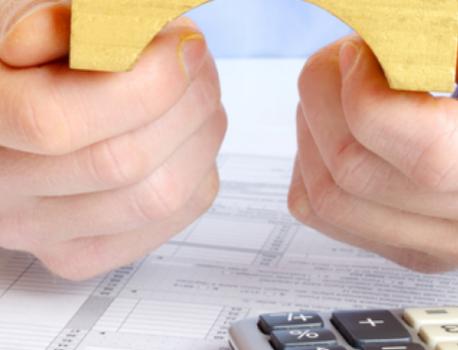
You have probably looked at mortgage loans as a way to finance your current property and pay it off within a specific period. Yes, that is usually how mortgage loans work.
But what if you have your sights set on buying another property and don't have enough money to pay the down payment? In this situation, you would generally wait for your current property to sell and use the proceeds to buy the next property.
That sounds like a long and boring process, one you can avoid by bridging the gap between the two property transactions. That is what you get with bridge loans.
As the name suggests, the bridge loans smoothen your path toward buying a second property without selling your first one. You can borrow money for a period of up to one year, which gives you time to sell your existing property and use the proceeds to pay off the mortgage.
Your existing property will be the collateral when you opt for bridge loans.
Invest in the second property today or your existing property to sell and use the proceeds to buy the next one. That is a confusion you might be scratching your head with.
Whether to go for bridge loans or other mortgage loans?
Here are some situations where having a bridge loan can be the right idea.
One of the biggest challenges you may face when taking a bridge loan is, "Will my house sell within one year?" And that is not only you. Anyone who has gone for a bridge loan has this worry.
So, if you are in the seller's market where the real estate demands are rising, it will be easier to find a buyer for your property. That period can be a good time to go for a bridge loan.
One of the initial steps when you buy a home is having enough money for a down payment. That is the cost bridge loans can help you finance. You will generally have 6 to 12 months to pay back the loan.
You might be looking at the bridge loan and thinking, "What difference will it make if people relocate now or after one year? Why take such a risk."
It might not matter to you, but other homeowners might not have the same luxury. People may need to switch locations immediately for
If the workplace has changed and it becomes harder to commute from the current home.
Marriage or childbirth are the events where people may want additional space and accommodations.
Similar to job transfers, people would want their children's schools to be near their homes.
Now for the big question, how will you pay back the loan?
Different lenders have their own preferences on how they want you to repay the loan. Two common repayments methods are
Once the loan is due (after six months or one year), you need to return the entire loan amount in one go. This includes the interest payment as well as the principal.
Before the loan is due, you may have to pay the loan interest every month. The additional principal amount is due when the loan period ends.
After discussing all what bridge loans are and what they can do for you, now let's look at some of their positives and downsides.
These bridge loan pros and cons can help you understand what you can look forward to and what things for you to be wary of.
Bridge loans save you from the long process of getting your loan approved and getting quick access to money. You can also avoid the extensive paperwork and other formalities.
This also fast tracks your plans to relocate, instead of waiting for your home to be sold, when you can use the profits to pay for other properties.
It is ideal if you sell your home before the loan repayment is due. Having said that, it is not necessary. Even if you don't manage to sell the home but can generate enough income and save money to repay the loan, you are good to go.
That is the time and flexibility you get when opting for a bridge loan.
When you compare the bridge loan pros and cons with some other mortgages, one major difference is the options you get for financing different property types.
Unlike many mortgage types, a bridge loan does not bind you to invest in specific types of properties. Some of the most common real estate which you can finance with the bridge loan include:
If you talk about bridge loan pros and cons and compare it with other loans, interest rates will definitely be one of the differences. While the conventional mortgage loan interest rates tend to be 4% to 5%, the bridge loan interest rates can go up to 15% to 25%.
That shows that immediate financing from a bridge loan might come at the cost of a high-interest rate.
It can significantly increase the total loan you need to repay.
No matter how attractive the bridge loans might be, there is always the risk of you not being able to sell your home in time or repay the loan. In such situations, you might also lose your current property since it is the collateral for your loan.
That unfortunate situation would be the illustration of being stuck between a rock and a hard place.
On top of the principal payments and (already high) interest, you may have additional service charges and fees. This is considered the closing cost for the bridge loan.
Some of the expenses covered by the closing cost include
As you now know the bridge loan pros and cons, the key to smoothly approving your bridge loan to pay the down payment for the second property is to find the right lender. That is one way to close the deal at favorable terms.
But wait. Have you thought about the second property? Property type, location, value, and more are things you need to think about.
If you want options, visit HAR.com, the one-stop destination to lead you to your next home destination.




 Erase note
 You currently have no custom folders