Sign In
Create an account and enjoy all the benefits of HAR.com!
Sign In
Sign in using social account


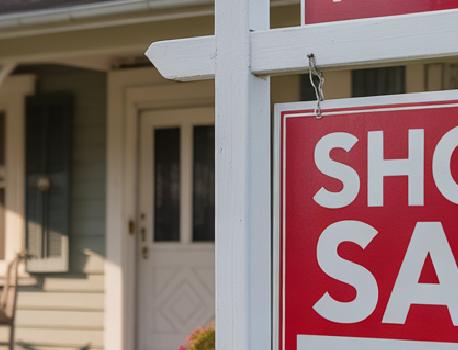
What if you could buy a home for less than market price--before it goes to auction or becomes bank-owned? That's the hidden value behind short-sale homes and pre-foreclosure homes. Buyers often miss these properties, but they can offer real savings and better conditions than full foreclosures.
Before you start looking, it's essential to understand how pre-foreclosure properties work, how they connect to short-sale homes, and what makes them different from standard listings. Let's look at the step-by-step process so you can move forward with confidence and a clear plan.
Before buying distressed properties, understand how short-sale and pre-foreclosure homes differ from standard listings and bank-owned foreclosures.
A mortgaged home in which the owner has fallen behind on payments and the lender has started the foreclosure process is known as a pre-foreclosure home. The property hasn't been repossessed or put up for sale yet, though. Before the house goes into complete foreclosure, this stage gives buyers a rare chance to speak personally with the homeowner or lender.
Because the home is still legally owned by the borrower, there is often time to intervene with a purchase offer, particularly if the homeowner is motivated to sell. This early action allows for negotiation and property inspection--advantages that auctions and REO (real estate owned) sales rarely provide.
Eventually, a large number of pre-foreclosure properties are classified as short-sale properties. A short sale arises when the owner owes more mortgage payments than the house's value, and the lender agrees to accept a reduced sale price to avoid foreclosure. Although the sale still needs lender permission, it helps the bank recover a portion of the loan and protects the borrower's credit.
In short, short-sale homes are a specific type of pre-foreclosure home that offers buyers opportunity and seller relief, making them highly valuable in the distressed property space.
Investing in pre-foreclosure homes, particularly short-sale homes, provides a range of strategic advantages. While not without challenges, these properties can deliver significant long-term value when appropriately approached.
One of the most compelling reasons to pursue pre-foreclosure homes is the potential for significant savings. These properties are often listed below market value, as sellers aim to close quickly and satisfy lender conditions. In the case of short-sale homes, the lender typically approves the sale at a reduced price, allowing buyers to build equity right from the start.
These discounted prices make short-sale homes especially appealing for investors, first-time homebuyers, and anyone looking to enter the housing market with more financial flexibility.
Unlike foreclosure auctions, where investors often compete with all-cash bids, short-sale and pre-foreclosure properties are generally listed like traditional properties. This listing lowers the barrier to entry and reduces the competition, making them ideal for conventional buyers who have mortgage pre-approval but may not have the resources to win a bidding war.
Since many pre-foreclosure homes are still occupied by their owners, they are usually maintained far better than abandoned foreclosures. Unlike foreclosure auctions, short-sale homes frequently let buyers view the property and ask for credits or repairs.
This transparency means you're less likely to inherit hidden damage or long-neglected maintenance issues, making your investment more secure and your move-in process smoother.
Lenders and homeowners involved in short-sale homes are often eager to avoid foreclosure, making them more open to negotiation. Buyers may be able to negotiate on price, repair credits, closing timelines, and even who pays closing costs.
Such flexibility is rare in today's competitive real estate environment, giving buyers of short-sale homes and pre-foreclosure homes a distinct advantage.
Despite the financial and logistical advantages, short-sale and pre-foreclosure homes have complexities. Understanding these challenges upfront can help you avoid costly surprises.
Due to the need for lender approval, the timeline for short-sale homes can be uncertain. Even after submitting a complete offer package, it may take weeks or months for the bank to respond. These delays can frustrate unprepared buyers, particularly those with fixed move-in dates.
Even with a compelling offer, there's no guarantee the lender will approve a short sale home. Banks may reject offers they believe are too low or insist on multiple Broker Price Opinions (BPOs) before responding. It's essential to remain patient and work with a real estate agent who can navigate lender communications.
While short-sale homes are often better maintained than bank-owned properties, they are still sold as-is. Sellers may not have the funds to complete repairs, and lenders rarely make any improvements. That means buyers must be prepared to handle post-purchase renovations and budget accordingly.
Some short sales and pre-foreclosures may have unresolved legal issues, such as unpaid property taxes, secondary mortgages, or contractor liens. Conducting a complete title search with a reputable title company is essential to ensure you're not taking on unexpected debt or liabilities.
Locating these hidden gems takes persistence and the right tools. Fortunately, several methods exist for finding pre-foreclosure and short-sale homes before they're widely advertised.
County courthouses publish notices of default, lis pendens, and auction schedules. These documents indicate that a property is in the pre-foreclosure phase and may soon become a short sale home. Monitoring these records can give you a head start on contacting homeowners directly.
Websites include filters for short-sale homes and pre-foreclosure properties. Some platforms even allow you to set alerts for when new properties hit the market in your desired area.
MLS access through your real estate agent is a great way to find active listings marked as short sales or pre-foreclosures. These listings are updated frequently and typically include seller disclosures, agent notes, and price history.
Real estate attorneys, foreclosure specialists, and local agents often hear about distressed properties before they're listed. Let your network know you're looking for pre-foreclosure or short-sale homes--sometimes, a personal referral or direct homeowner outreach is the fastest way to strike a deal.
Following a structured approach makes it easier to navigate the purchase of pre-foreclosure homes, especially short-sale homes.
Buying pre-foreclosure homes, including short-sale homes, is not for the impatient or unprepared. Those who are prepared to learn the process, collaborate with professionals, and work through the extra layers involved, however, may reap significant rewards.
These properties offer cost savings and the chance to build immediate equity, invest in growing neighborhoods, and help homeowners exit difficult situations with dignity. With the right strategy, your next successful real estate investment could begin with a short sale home in pre-foreclosure--and end with long-term financial gain.
You'll need a mortgage preapproval letter or proof of funds, a signed offer, and sometimes a hardship letter from the seller (for short sales). Your agent can guide you through the required paperwork.
Yes. In most cases, you can still arrange for an inspection before closing. However, the home is usually sold as-is, so the seller may not complete repairs.
A title search checks for unpaid taxes, liens, or legal issues tied to the home. Skipping this step could leave you responsible for old debts or legal claims after the sale.




 Erase note
 You currently have no custom folders