Sign In
Create an account and enjoy all the benefits of HAR.com!
Sign In
Sign in using social account


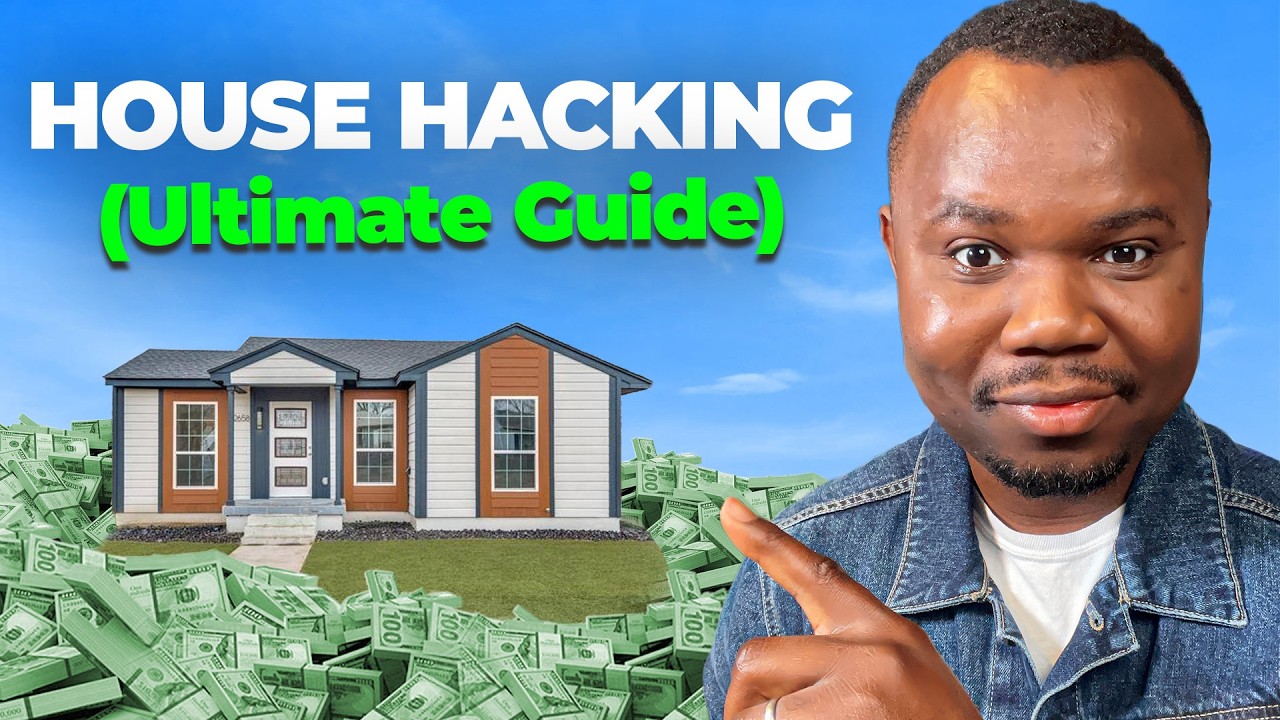
Buying your first investment property can feel overwhelming.
Many people believe they need 20% to 25% down, years of investing experience, and a six-figure income before they can start building wealth through real estate.
The truth is, there is another strategy that has helped thousands of ordinary people become homeowners and real estate investors at the same time.
It's called house hacking.
Whether you're a first-time homebuyer, a busy professional, or someone looking to reduce living expenses while building long-term wealth, house hacking can be one of the smartest ways to get started.
In this guide, I'll explain what house hacking is, who it makes sense for, how to finance it, how to find the right property, and the mistakes to avoid before buying your first investment property. The information below is based on practical experience helping buyers successfully house hack in Texas and aligns with the key concepts covered in the accompanying training.
House hacking simply means living in one portion of a property while renting out the other portion(s) to help cover your mortgage and living expenses.
Some common examples include:
Instead of your home being only a place to live, it becomes an income-producing asset.
For many investors, house hacking is the first step toward building a rental portfolio.
For most families, housing is their largest monthly expense.
House hacking helps turn that expense into an investment.
Rather than paying your entire mortgage yourself, your tenants help cover part—or in some cases most—of your monthly payment.
The benefits extend far beyond saving money.
House hacking allows you to:
House hacking isn't for everyone, but it can be an excellent fit for certain buyers.
If you're buying your first home, house hacking allows you to become both a homeowner and an investor from day one.
Rental income can significantly reduce your monthly housing costs, making homeownership more affordable.
Doctors, engineers, nurses, teachers, firefighters, police officers, and other professionals often use house hacking to accelerate wealth while keeping their primary careers.
House hacking is one of the safest ways to learn tenant management, maintenance, and rental operations before purchasing additional investment properties.
Whether it's sharing walls in a duplex or renting extra bedrooms, successful house hackers understand there will be less privacy than living in a traditional single-family home.
House hacking is not the right strategy for everyone.
It may not be the best fit if:
Buying a traditional home may be a better choice in these situations.
Most investment properties require:
House hacking allows many buyers to qualify using owner-occupied financing.
Common financing options include:
Many buyers qualify with approximately 5% down, depending on the loan program and property type.
Eligible veterans and qualified service members may purchase with 0% down while living in the property.
Available in eligible rural areas for qualified buyers.
These financing options dramatically lower the barrier to becoming both a homeowner and an investor.
One benefit many first-time buyers don't realize is that lenders may allow a portion of the projected rental income from the other unit(s) to help you qualify for the mortgage, subject to program guidelines and lender requirements.
For example:
If the second unit is expected to rent for $2,000 per month, many programs may allow approximately 75% of that projected income to be considered during qualification.
That can substantially increase purchasing power for qualified buyers.
Location still matters.
When evaluating a house hacking opportunity, pay attention to:
A property only works if people want to live there.
Many first-time investors overlook new construction.
In today's market, it can offer several advantages:
Depending on the market, builders may also offer closing cost assistance or interest-rate incentives.
Never skip inspections.
Even newer homes can have defects.
A quality inspection can uncover:
A few hundred dollars spent on an inspection can save thousands later.
Once you buy, you'll need a management plan.
Many first-time investors successfully manage their own property using software such as:
Self-management helps you learn the business while reducing expenses.
If you prefer a more hands-off approach, a professional property manager can:
Management fees commonly range from 7% to 10% of collected rent, although pricing varies.
Many first-time buyers run into problems because they skip basic due diligence.
Some of the biggest mistakes include:
Always estimate:
The wrong tenant can become far more expensive than a vacant unit.
Always verify:
Some communities restrict leasing or have occupancy rules.
Always review HOA documents before purchasing.
Every investor should maintain reserves.
Unexpected repairs, vacancies, or tenant turnover are part of owning rental property.
Many experienced investors recommend keeping at least three to six months of housing expenses in reserve.
For the right person, absolutely.
House hacking won't make you wealthy overnight.
But it can dramatically accelerate your financial journey by helping you:
Many successful investors bought one house, then repeated the process over time.
House hacking isn't just about reducing your mortgage payment.
It's about changing how you think about homeownership.
Instead of buying a house that only costs you money every month, you're purchasing an asset that can help pay for itself while building equity and creating future opportunities.
If you're serious about building long-term wealth through real estate, house hacking deserves a place on your shortlist.
The sooner you begin learning, the sooner time starts working for you instead of against you.
Whether you're buying your first home, your first duplex, or your first fourplex, I'd be happy to help you build a strategy that fits your goals.
Wale Lawal
Houston Real Estate Broker Investor Rental Property Advisor
Call/Text: 832-776-9582
Email: Wale@NetworthBuilders.com
Website: https://www.NetworthBuilders.com
Schedule a Strategy Session: https://app.iclosed.io/e/WaleLawal/strategy-call
If you have questions about financing, house hacking, rental property investing, or relocating to Houston, feel free to reach out. My team and I have helped hundreds of buyers make smarter real estate decisions, and we'd be happy to help you do the same.


 Erase note
 You currently have no custom folders