Sign In
Create an account and enjoy all the benefits of HAR.com!
Sign In
Sign in using social account


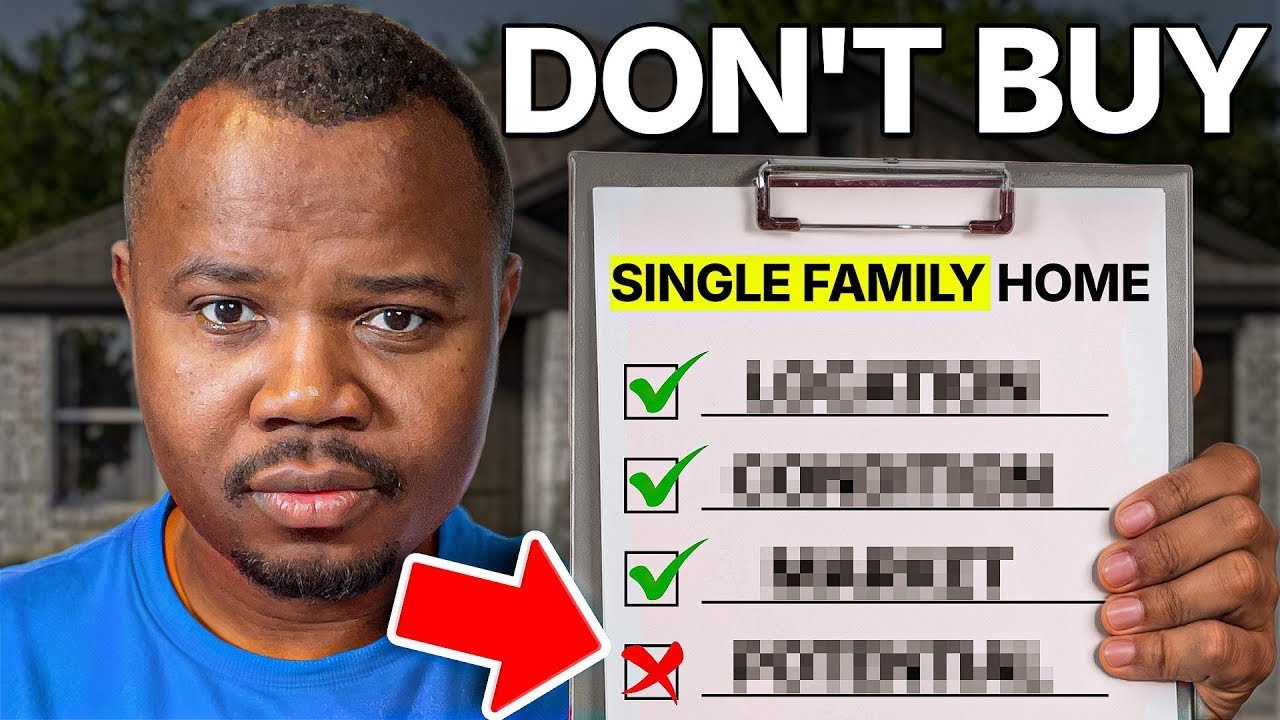
Most people do not lose money in real estate because they bought a bad property.
They lose money because they never learned how to properly analyze a rental property before buying it.
The truth is simple: rental property investing is just math.
If the numbers make sense, the property usually works.
If the numbers do not make sense, emotion will cost you money.
The good news? You do not need to be a math genius to analyze a rental property like a professional investor.
In this guide, I’ll show you the simple rental property math I personally use to evaluate deals and how everyday people can use it to build long-term wealth.
A beautiful house does not automatically make a good investment.
This is one of the biggest mistakes new investors make.
A property may have:
But if the numbers are weak, it can quietly drain your bank account every month.
Successful investors buy based on cash flow, location, appreciation, and risk, not emotions.
That starts with understanding the numbers.
The first thing I look at is how much rent the property can realistically generate.
Not what the seller says.
Not what Zillow guesses.
What the market actually supports.
If nearby properties rent for around $2,400/month, then that becomes your estimated rental income.
Purchase Price: $320,000
Projected Rent: $2,500/month
This is your starting point.
Without strong rental demand, nothing else matters.
That is why I always recommend investing in areas with:
Strong job growth
Population growth
Hospitals and employers nearby
Good schools
Stable rental demand
In Houston, this is one reason areas like Cypress, Katy, Richmond, Tomball, Bridgeland, and parts of Inner Loop Houston continue attracting renters.
This is where most beginners make expensive mistakes.
They only calculate the mortgage.
That is wrong.
A rental property has multiple expenses.
You must include:
This includes principal and interest.
Texas property taxes are no joke.
Depending on location, taxes may range between 2% to 3.5% annually.
Always estimate insurance properly.
Flood zones or coastal exposure can significantly increase costs.
Even if you self-manage, include a management expense.
I typically recommend budgeting 8–10% of rent.
Things break.
Water heaters fail.
HVAC systems stop working.
Roofs leak.
Budget at least 5–10% of rent for maintenance.
No property stays occupied forever.
A good rule is budgeting 5% vacancy.
Rent: $2,500
Expenses:
Mortgage: $1,700
Taxes: $500
Insurance: $150
Maintenance: $125
Vacancy Reserve: $125
Property Management: $200
Total Expenses = $2,800
This property would lose money monthly.
Even if it looks beautiful.
That is why math matters.
Cash flow is simple.
Rental Income – Expenses = Cash Flow
Using our example:
$2,500 rent – $2,800 expenses = -$300/month
That is negative cash flow.
Now imagine owning five properties like this.
You would be losing $1,500 every month.
This is why buying blindly destroys wealth.
You want properties that ideally produce positive cash flow from day one.
You may hear investors talk about the 1% Rule.
This simply means:
A property should rent for about 1% of the purchase price monthly.
Purchase Price: $250,000
Target Rent:
$2,500/month
This helps investors quickly screen deals.
But here is the truth:
The 1% Rule is only a shortcut—not the final answer.
In appreciation-heavy markets like Houston, Dallas, or Austin, many great deals do not hit 1%.
Instead, they win through:
So use it as a guide—not a religion.
This is one of the most important metrics professional investors use.
Cash-on-cash return tells you:
How hard your money is working.
Annual Cash Flow ÷ Cash Invested
Example:
Cash Invested: $50,000
Annual Cash Flow: $6,000
Cash-on-Cash Return = 12%
That means your money earns 12% annually.
This helps you compare deals quickly.
Sometimes a lower-priced property makes less money than a higher-quality property.
The math tells the truth.
Most beginners only think about monthly cash flow.
Big mistake.
The real wealth in real estate often comes from appreciation and loan paydown.
You buy a property for $350,000.
If it appreciates only 4% annually, after 5 years:
That property may be worth around $425,000+.
That is roughly $75,000 in appreciation.
Meanwhile:
Your tenant has been paying down your mortgage the entire time.
This is why smart investors think long term.
You can fix a house.
You cannot fix a location.
A mediocre house in a strong neighborhood often beats a perfect house in a weak area.
I typically prioritize:
A strong location protects both:
cash flow and resale value.
I see new investors make these mistakes all the time.
Everything eventually breaks.
Always budget reserves.
Verify actual rental comps.
Especially in Texas.
Pretty kitchens do not equal profit.
Never buy a property you have not analyzed.
Before I buy anything, I ask:
If the answer is yes, then I move forward.
If not, I walk away.
There is always another deal.
Rental property investing is not complicated.
But it does require discipline.
The people who build wealth through real estate are usually not the smartest.
They simply understand the math and stay consistent.
One good rental property may not change your life overnight.
But over time?
It can completely change your financial future.
The key is buying the right property, in the right location, at the right numbers.
If you are buying your first or next rental property in Houston or Texas, I can help you analyze deals, avoid expensive mistakes, and build long-term wealth through real estate.
Call/Text: 832-776-9582
Email: Wale@NetworthBuilders.com
Website: NetworthBuilders.com
Strategy Call: https://app.iclosed.io/e/WaleLawal/strategy-call
Sometimes one conversation can save you tens of thousands of dollars and years of costly mistakes.


 Erase note
 You currently have no custom folders