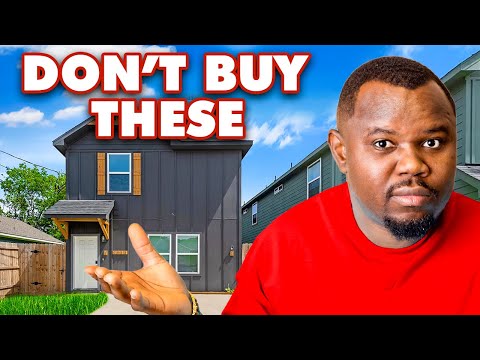
NEVER Buy These Types of Houses for Real Estate Investing
Real estate investing is one of the fastest ways to build long-term wealth—but only if you buy the right property.
The hard truth: Not every “deal” is actually a good investment.
Some houses look affordable on paper but turn into:
Cash flow killers
Insurance nightmares
Endless repair bills
Resale disasters
If you get this wrong, you’re not just losing money—you’re losing years of momentum.
I’m Wale Lawal, a Houston-based real estate investor and broker. I own 30+ rental units and have helped over 400 investors build and scale their portfolios. I’ve seen the good, the bad, and the expensive mistakes.
This guide breaks down the 5 types of houses you should NEVER buy for real estate investing—plus what to do instead.
1. Houses in Flood Zones or High-Risk Disaster Areas
This is one of the biggest mistakes new investors make.
A property might look like a steal… until you realize it sits in:
According to FEMA and insurance data, properties in high-risk flood zones often face insurance costs that wipe out cash flow entirely.
Investor Rule
Always check FEMA flood maps
Review local disaster history
Factor insurance into your deal analysis
If the numbers don’t work with insurance included, it’s not a deal—it’s a liability.
2. Houses with Foundation or Structural Issues
Let’s be blunt:
If the foundation is bad, the deal is bad.
Red flags to watch for
Cracks in walls or ceilings
Uneven floors
Doors that won’t close properly
Sloping or shifting structures
Why this is dangerous
Foundation repairs can cost:
$10,000 (minor fixes)
$30,000–$70,000+ (major structural issues)
And here’s the part most people ignore:
Even after repairs, resale value is still affected
Investor Rule
Never rely on a basic inspection alone
Hire a licensed structural engineer ($500–$800)
Walk away if the risk is unclear
This single decision can save you tens of thousands of dollars.
3. Cheap Flips & Poorly Built New Construction
This one will upset some people—but you need the truth.
Not all renovated homes or new builds are created equal.
Common problems in bad flips & rushed builds
Poor plumbing installations
Cheap materials
Electrical shortcuts
Drainage issues
Roofing problems within months
During hot markets, builders and flippers often prioritize speed over quality.
Why investors lose here
Repairs show up within 6–12 months
Warranty claims get denied or delayed
Maintenance costs spike immediately
Investor Rule
Verify permits and contractor history
Request receipts for major systems (HVAC, roof, plumbing)
Get a thorough inspection—not just cosmetic review
Remember:
New does NOT mean well-built.
A properly maintained older home can outperform a rushed new build.
4. The “Triple Threat” Location Trap
This is where many investors get tricked.
The house looks perfect… but the location kills the deal.
Triple Threat =
Noise
Pollution
Undesirable surroundings
Examples to avoid
Next to highways or railroads
Backing commercial buildings
Near gas stations or industrial zones
Close to strip clubs or high-traffic areas
Under power lines or near cell towers
Why this matters
Lower tenant demand
Lower resale value
Longer vacancy periods
Investor Rule
Use Google Maps + satellite view BEFORE visiting
Drive the neighborhood at different times
Prioritize location over property condition
You can fix a house.
You cannot fix where it sits.
5. Over-Customized or “Unique” Homes
If you hear:
“This home is one of a kind…”
Be careful.
What that usually means
Strange layouts
Themed rooms
Extreme color choices
Odd design features
Why this kills your ROI
Harder to rent
Harder to sell
Smaller buyer pool
Investor Rule
Buy neutral, clean, and functional homes
Focus on layouts that appeal to the majority
Think resale BEFORE you buy
You are building wealth—not designing a Pinterest project.
What Smart Investors Do Instead
Successful investors follow a simple framework:
Buy properties that are:
In stable, growing neighborhoods
Structurally sound
Easy to rent
Easy to resell
Financially sustainable with conservative numbers
They avoid:
Emotional decisions
“Too good to be true” deals
Properties with hidden risks
The Real Cost of Buying the Wrong Property
One bad deal can cost:
$20,000–$80,000 in repairs
Years of lost appreciation
Negative cash flow
Missed opportunities to scale
The biggest mistake is not losing money once.
It’s getting stuck and not being able to buy the next deal.
Final Thoughts
Real estate investing is not about buying the cheapest property.
It’s about buying the right property that performs over time.
If you avoid these 5 property types, you’ll:
Protect your capital
Increase your cash flow
Build long-term equity
Scale faster with less risk
Work With Me (Let’s Build Your Portfolio the Right Way)
If you want help finding the right investment property, analyzing deals, or building a strategy that actually works long-term, I can help you do it the right way.
To post a comment on this blog post, you must be an HAR Account subscriber, or a member of HAR. If you are an HAR Account subscriber or a member of HAR, please click here to sign in. If you would like to create an HAR Account account, please click here.
The views and opinions expressed in this blog are those of the author and do not necessarily reflect the official policy or position of the HRIS.
Join My Blog
From this blog you will learn about Overall Free Real Estate Education including but not limited to:
How To Avoid Foreclosure
Smart ways to Investment in Real Estate
Getting the Best Out of Your Mortgage Loan(s)
Easy Ways To Work with Top-Notch Real