Sign In
Create an account and enjoy all the benefits of HAR.com!
Sign In
Sign in using social account



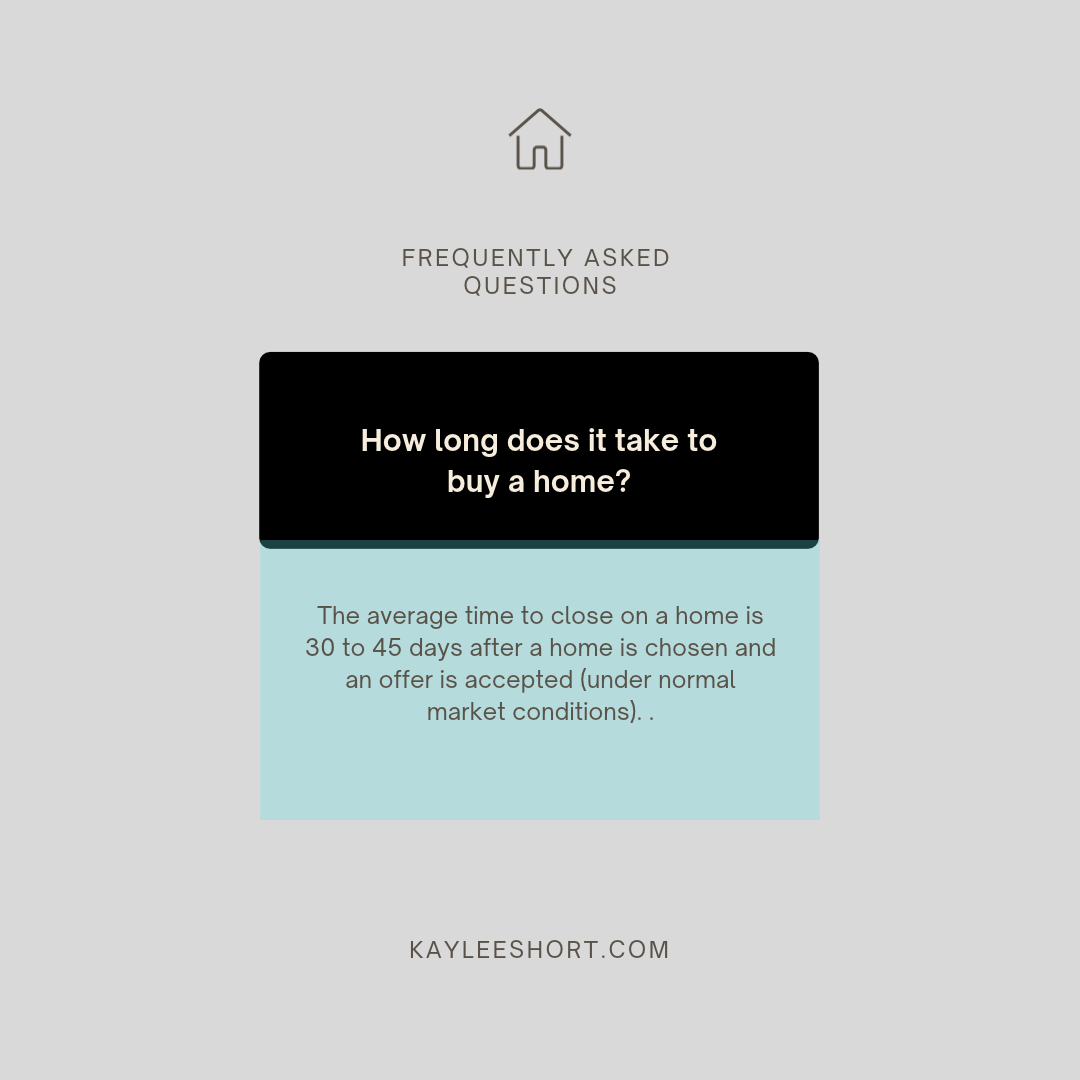
Buying a home is exciting, but the paperwork and unfamiliar real estate terms can feel overwhelming! If you're preparing to buy your first home, you've probably heard phrases like earnest money, option period, and closing costs.
The good news? These terms are easier to understand than they sound. Let's break down four important things every homebuyer should know before signing a contract in Texas.
Think of earnest money as a good-faith deposit.
When you make an offer on a home, you may agree to put down a deposit to show the seller you're serious about purchasing the property.
Here's how it works:
You make an offer on a home.
The seller accepts, and the contract specifies the earnest money amount and deadline.
You deliver the deposit to the designated escrow agent, often the title company.
If the purchase closes, the earnest money is generally credited toward the amount you owe at closing.
What if you change your mind?
Earnest money isn't automatically refundable. Whether you can get it back depends on your contract, the reason for terminating, and whether you followed the applicable deadlines and requirements.
In Texas, an option period is a negotiated period of time that can give a buyer the unrestricted right to terminate a residential purchase contract.
During this time, buyers commonly arrange a home inspection and learn more about the property's condition before deciding whether to move forward.
Think of it as your opportunity to take a closer look before committing to the purchase.
For example, imagine you find a beautiful home, but the inspection reveals plumbing issues. During a valid option period, you can evaluate the findings and decide whether to continue with the purchase or terminate under the contract's option provisions.
Keep in mind that the option period is not automatic. It generally requires an agreed-upon option fee, and the contract must be followed carefully.
One of the most common questions buyers ask is, "How many days do I have?"
The answer: It depends on what you negotiate in your contract.
There is no single option-period length that applies to every Texas home purchase. The number of days is negotiated between the buyer and seller and written into the contract.
For example, if your contract provides for a five-day option period, you must pay attention to the exact expiration date and time stated or calculated under the contract.
During that time, you can typically:
Schedule a professional home inspection.
Review the inspection results.
Discuss possible repairs or other solutions with your agent.
Decide whether to continue or terminate under the applicable contract terms.
Important: Do not assume you have a certain number of days unless your signed contract says so. Missing a deadline can affect your rights.
Closing costs are the fees and expenses associated with completing your home purchase.
These costs are separate from the home's purchase price and your down payment.
Depending on your transaction, closing costs may include:
Loan origination and lender fees.
Appraisal and credit-report fees.
Title and settlement-related fees.
Homeowners insurance and prepaid property taxes.
Other expenses associated with the loan and closing.
The total varies depending on your loan type, purchase price, property, and contract terms. Sellers may sometimes agree to contribute toward certain buyer costs, depending on the agreement and applicable loan limits.
Your lender can provide a Loan Estimate early in the process and a Closing Disclosure before closing so you can review your expected expenses.
These two payments are easy to confuse, but they serve different purposes.
Earnest money: Shows good faith and is generally credited toward your amount due at closing.
Option fee: In a Texas contract with an option period, this is the negotiated payment for the buyer's contractual option to terminate during that period. Its treatment depends on the contract, and it is generally not credited to the purchase price unless the contract provides otherwise.
They are separate from closing costs, although the way deposits are credited can affect how much money you need to bring to closing.
Buying a home doesn't have to feel confusing. Understanding these basic terms can help you feel more confident as you move through the process.
As your real estate agent, my goal is to help you understand each step, stay aware of important deadlines, and feel informed as you work toward finding your new home.
Thinking about buying a home in Conroe, The Woodlands, Montgomery, or the surrounding areas? I'd love to help you get started!
KayLee Short Century 21 Lucky Money Real Estate
Real estate guidance for your next chapter.
Side note if you want a stress free way to view homes in your area that's the best!You don't have to a realtor® or have financing yet its a good first step so you can learn what you like in a house and what will be you non - negotiable's.


 Erase note
 You currently have no custom folders