Sign In
Create an account and enjoy all the benefits of HAR.com!
Sign In
Sign in using social account


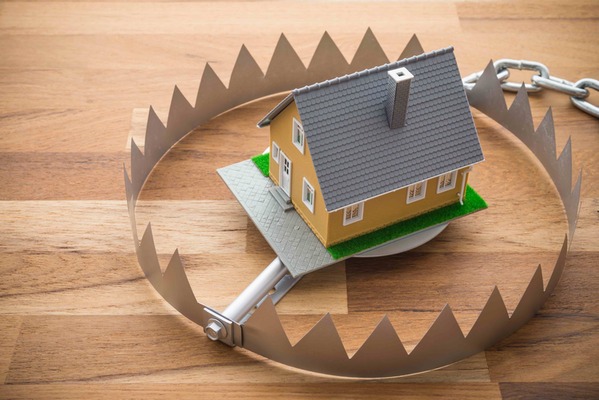
Have you ever made an impulsive purchase and felt fixated on something you just had to have? When it’s a small item, like an expensive jacket, the consequences might be minor. But when it comes to buying a home, acting on impulse can lead to long-term financial strain and a property that doesn’t meet your needs.
Understanding the psychological traps that influence your decisions is crucial to avoid buyer’s remorse—a feeling more common than you might think. In fact, a 2022 Zillow® survey found that 75% of recent homebuyers had at least one regret about their purchase. These ranged from overlooking maintenance challenges to compromising on bedroom layouts.
Here are some psychological traps to watch out for—and how to sidestep them.
The Trap: Falling in love with a home and overlooking serious issues, like structural damage, because you believe you can fix it all.
How to Avoid It: Hire a qualified home inspector to uncover hidden problems and consult experts to estimate repair costs before making an offer.
The Trap: Choosing a home that fits your current lifestyle without accounting for future needs, like children, pets, or work-from-home space.
How to Avoid It: Picture your life 5–10 years ahead and factor potential changes into your decision-making.
The Trap: Accepting the seller’s asking price without considering market conditions or room for negotiation.
How to Avoid It: Work with your agent to understand local trends and explore opportunities to negotiate price, repairs, or concessions.
The Trap: Making a rushed decision in a competitive market without fully considering your budget or priorities.
How to Avoid It: Get pre-approved for a mortgage, establish a budget, and create a list of must-haves to stay focused under pressure.
The Trap: Clinging to beliefs, such as expecting mortgage rates to drop, and ignoring evidence to the contrary.
How to Avoid It: Stay informed about market trends and keep an open mind. Rely on your agent for objective advice.
The Trap: Searching for a home that mirrors the one you grew up in, potentially overlooking better options.
How to Avoid It: Focus on homes that meet your current needs and lifestyle. Nostalgia can often be recreated with decor or small design touches.
The Trap: Falling for a single standout feature, like a backyard or gourmet kitchen, while overlooking critical flaws.
How to Avoid It: Consider the home’s overall functionality and ensure it aligns with your priorities, not just one attractive aspect.
The Trap: Feeling obligated to proceed with a purchase after investing time and money, even if red flags emerge.
How to Avoid It: Step back and evaluate long-term implications. If the property doesn’t meet your standards, be prepared to walk away.
Buying a home is both an emotional and logical journey. By staying informed, setting clear priorities, and avoiding common psychological traps, you can make a confident decision that aligns with your long-term goals. Trust your instincts—backed by solid research and preparation—and you’ll be on the path to a successful home purchase.




 Erase note
 You currently have no custom folders