Sign In
Create an account and enjoy all the benefits of HAR.com!
Sign In
Sign in using social account


Many Texans own property in Louisiana. Some inherited land or a rental from family. Others purchased investment property years ago when prices were lower. And many of them have been holding on not because they want to keep it, but because they are afraid of the tax bill that comes with selling.
At Luxintel Property, we hear this story often. If it sounds familiar, this article is for you.
What Is a 1031 Exchange?
A 1031 Exchange is a provision in the IRS tax code that allows an investor to sell one investment property and roll the proceeds into another like-kind investment property without paying capital gains tax at the time of sale.
The name comes from Section 1031 of the Internal Revenue Code. It has been used by real estate investors for decades to preserve wealth, defer taxes, and reposition assets into better markets.
How It Works
The process follows a specific sequence and timeline:
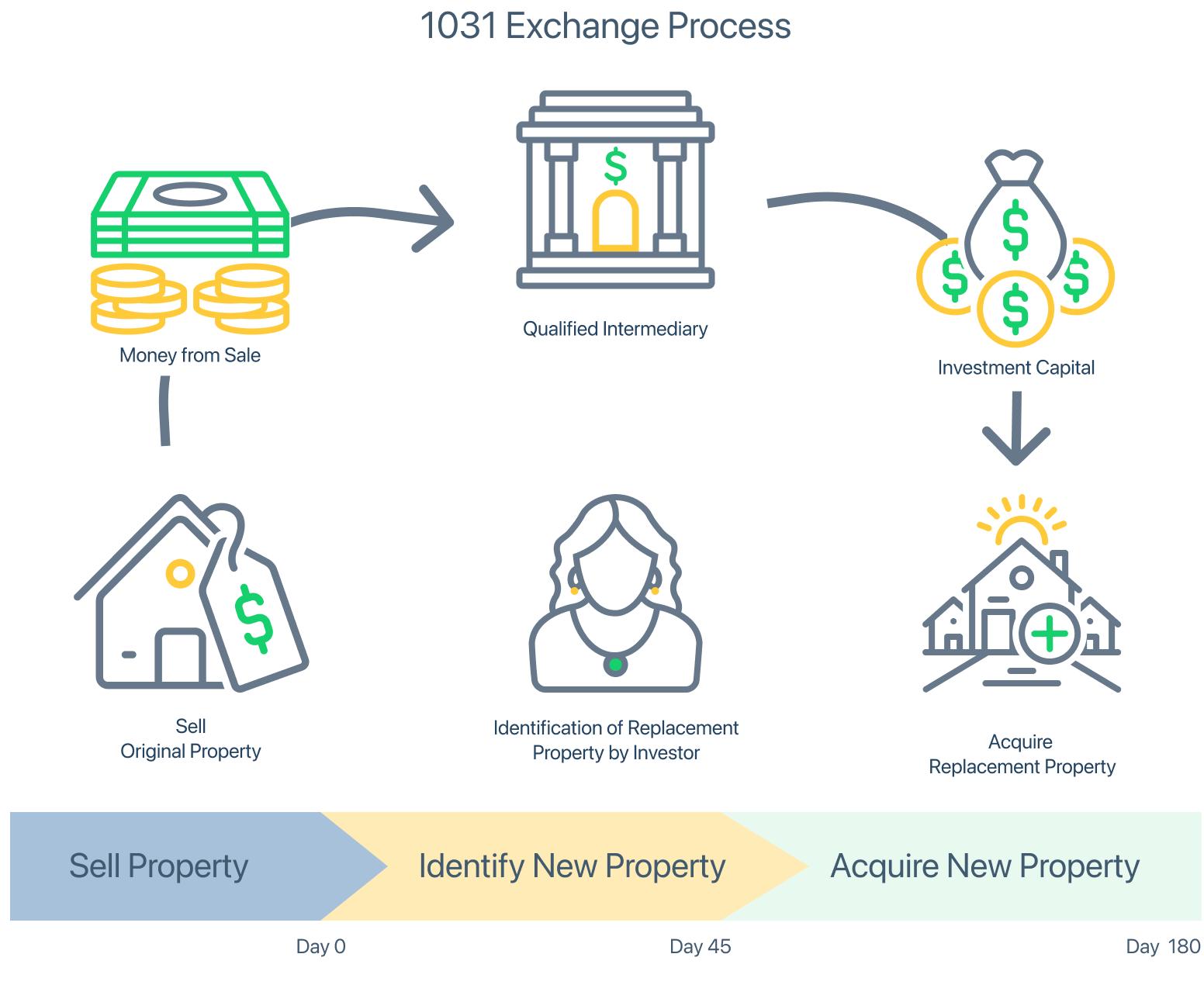
First, you sell your Louisiana investment property. At closing, the proceeds do not come to you directly. Instead, they go to a Qualified Intermediary, which is a neutral third party whose job is to hold the funds during the exchange.
Second, within 45 days of closing, you must identify a replacement property in writing. This is a hard deadline with no exceptions.
Third, within 180 days of closing on the sale, you must close on the replacement property. Again, this is a firm deadline.
As long as you reinvest into a property of equal or greater value and follow the rules, you owe no capital gains tax at the time of the transaction. The tax is deferred, not eliminated, but deferring it gives you the full use of your equity to invest rather than sending a portion to the IRS.
What Qualifies as Like-Kind Property?
This is where many people are surprised. Like-kind does not mean you have to buy the same type of property. A vacant lot in Louisiana can be exchanged for a rental duplex in Texas. A rental house can be exchanged for a small commercial building. Raw land can be exchanged for a multifamily property.
The key requirement is that both properties must be held for investment or business use. Your primary residence does not qualify. A vacation home you use personally does not qualify. But most investment real estate does.
Why This Matters for Texas Residents With Louisiana Property
Louisiana real estate has appreciated significantly in many markets over the past decade. If you purchased or inherited property years ago, you may be sitting on substantial equity. Selling outright could mean a significant capital gains tax bill, especially if the property has also been depreciated over the years.
A 1031 Exchange lets you take that equity and redeploy it into a Texas property closer to where you live, work, and can keep an eye on your investment. Instead of losing a portion of your equity to taxes, you keep it working for you. At Luxintel Property, helping clients make this transition strategically is one of our core specialties.
What You Need to Do Before You Sell
The most important thing to understand is that a 1031 Exchange must be set up before closing. You cannot sell the property, receive the funds, and then decide to do an exchange. Once the money touches your hands the exchange is disqualified.
Before you list the property, you should consult with a CPA or tax advisor who can evaluate your specific situation. You should also identify a Qualified Intermediary to hold the proceeds, and you should have a general idea of what type of Texas property you want to purchase as your replacement.
How Luxintel Property Can Help
At Luxintel Property, we are licensed in both Louisiana and Texas and work with investors on both sides of this transaction. We can help you list and sell your Louisiana property, and then help you identify and close on your Texas replacement property within the required timeline.
If you own Louisiana investment property and have been thinking about making a move, reach out to Luxintel Property before you make any decisions. A simple conversation could save you a significant amount of money.




 Erase note
 You currently have no custom folders