Sign In
Create an account and enjoy all the benefits of HAR.com!
Sign In
Sign in using social account


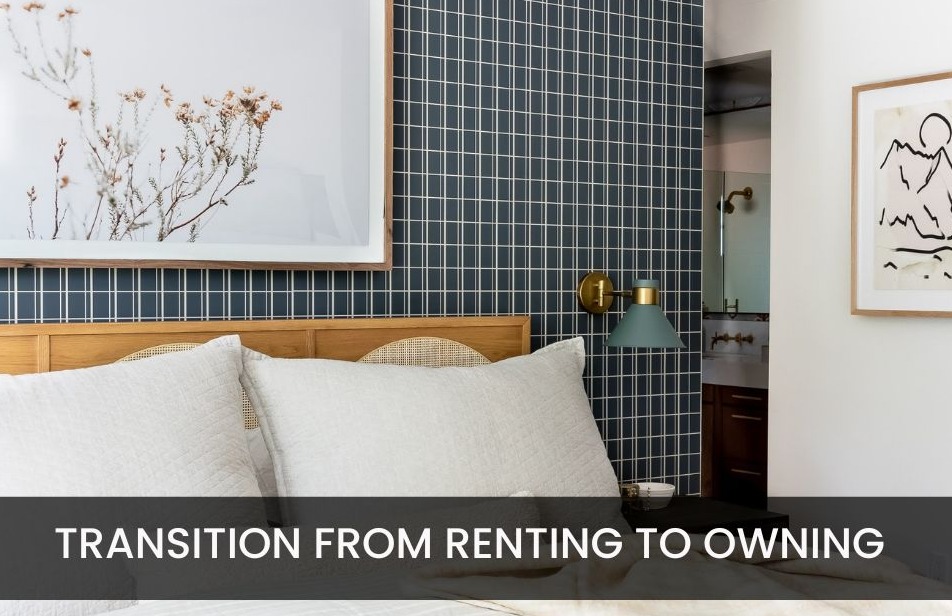
For many people, the dream of homeownership represents stability, pride, and a significant
financial milestone. Yet, moving from renting an apartment to owning a home can feel
overwhelming. From preparing your finances to navigating the buying process, the transition
requires careful planning and a clear strategy. The good news? With the right steps, you can
make the shift from tenant to homeowner smooth and stress-free.
In this guide, we’ll walk through everything you need to know to transition seamlessly from
renting to owning—so you can move into your dream home with confidence.
Understand the Differences Between Renting and Owning
Before you start your journey, it’s important to understand what makes renting and owning
different:
? Responsibility for maintenance: As a renter, landlords typically handle repairs. As a
homeowner, the responsibility (and cost) is yours.
? Flexibility vs. permanence: Renting allows easier relocation. Owning offers stability but
requires commitment to location and property.
? Building equity: Rent payments don’t build wealth. Mortgage payments, on the other
hand, gradually increase your ownership stake in your property.
Recognizing these differences helps you set realistic expectations and ensures you’re ready for
the shift in lifestyle and responsibilities.
Get Your Finances in Order
One of the biggest challenges renters face when buying a home is preparing financially. Start
with these key steps:
Review Your Credit
A strong credit profile can help you secure better mortgage rates. Pull your credit report, check
for errors, and focus on improving your score by paying down debts and making timely
payments.
Build Savings for a Down Payment
While some programs allow for low down payments, setting aside at least 3–20% of a home’s
price is common. In addition, you’ll need extra funds for closing costs, moving expenses, and an
emergency reserve.
Create a Realistic Budget
Consider how your monthly expenses will change when you move from renting to owning.
Beyond the mortgage, factor in property taxes, insurance, utilities, and maintenance costs.
Building a budget now ensures you don’t overextend later.
Explore Mortgage Options
Mortgages are not one-size-fits-all, and exploring your options early can give you clarity.
Research different loan programs such as:
? Conventional loans: Popular with buyers who have steady income and good credit.
? FHA loans: Often chosen by first-time buyers due to lower down payment requirements.
? VA or USDA loans: Available to qualified buyers with military service or in rural areas.
While we’re not offering financial advice here, understanding your options and meeting with a
lender for pre-approval helps you see how much home you can afford and makes your offers
more competitive.
Time the End of Your Lease Carefully
One of the trickiest parts of transitioning is aligning the end of your lease with your home
purchase. Breaking a lease early can cost you, while going month-to-month may increase rent.
To avoid unnecessary expenses:
Work with the Right Real Estate Agent
Having a knowledgeable real estate agent can make all the difference in your transition. An
experienced agent:
? Helps you understand local market conditions.
? Guides you through the buying process.
? Negotiates on your behalf to get the best terms.
? Keeps you on track with timelines and paperwork.
If you’ve been renting in a certain area, consider choosing an agent who specializes in that
community—they’ll know which neighborhoods fit your needs and budget best.
Prepare for the Home Search
Searching for a home is exciting, but it’s easy to get caught up in emotions. Stay focused by
creating a clear plan:
Define Your Must-Haves vs. Nice-to-Haves
Think about what you need immediately (number of bedrooms, commute time, pet-friendly
features) versus what would be a bonus (extra office space, large yard)
Research Neighborhoods
Since you may be committing for years, consider more than just the property. Look at schools,
amenities, safety, commute times, and long-term growth potential
? Talk with your landlord early: Let them know you’re exploring homeownership so you
can plan together.
? Ask about flexible lease options: Some landlords may allow shorter extensions.
? Plan your closing date strategically: Coordinate with your real estate agent and lender
to avoid gaps or overlaps between renting and owning.
? Ignoring the future: Buying only for today’s needs may lead to outgrowing your home
quickly. Consider long-term goals.
Conclusion: From Renter to Owner With Confidence
Transitioning from renting to owning is a major life step—but with preparation and the right
support, it doesn’t have to be overwhelming. By understanding the financial shift, planning your
lease timing, working with trusted professionals, and setting realistic expectations, you can
make the process seamless and rewarding.
Owning a home is more than just having a place to live—it’s about creating a space that’s truly
yours, building equity, and investing in your future. If you’re considering making the leap, start
planning today and explore resources that can guide you through each stage.
Ready to take the next step toward homeownership? Begin by connecting with a real estate
professional who can help turn your renting years into home ownership.




 Erase note
 You currently have no custom folders