Sign In
Create an account and enjoy all the benefits of HAR.com!
Sign In
Sign in using social account


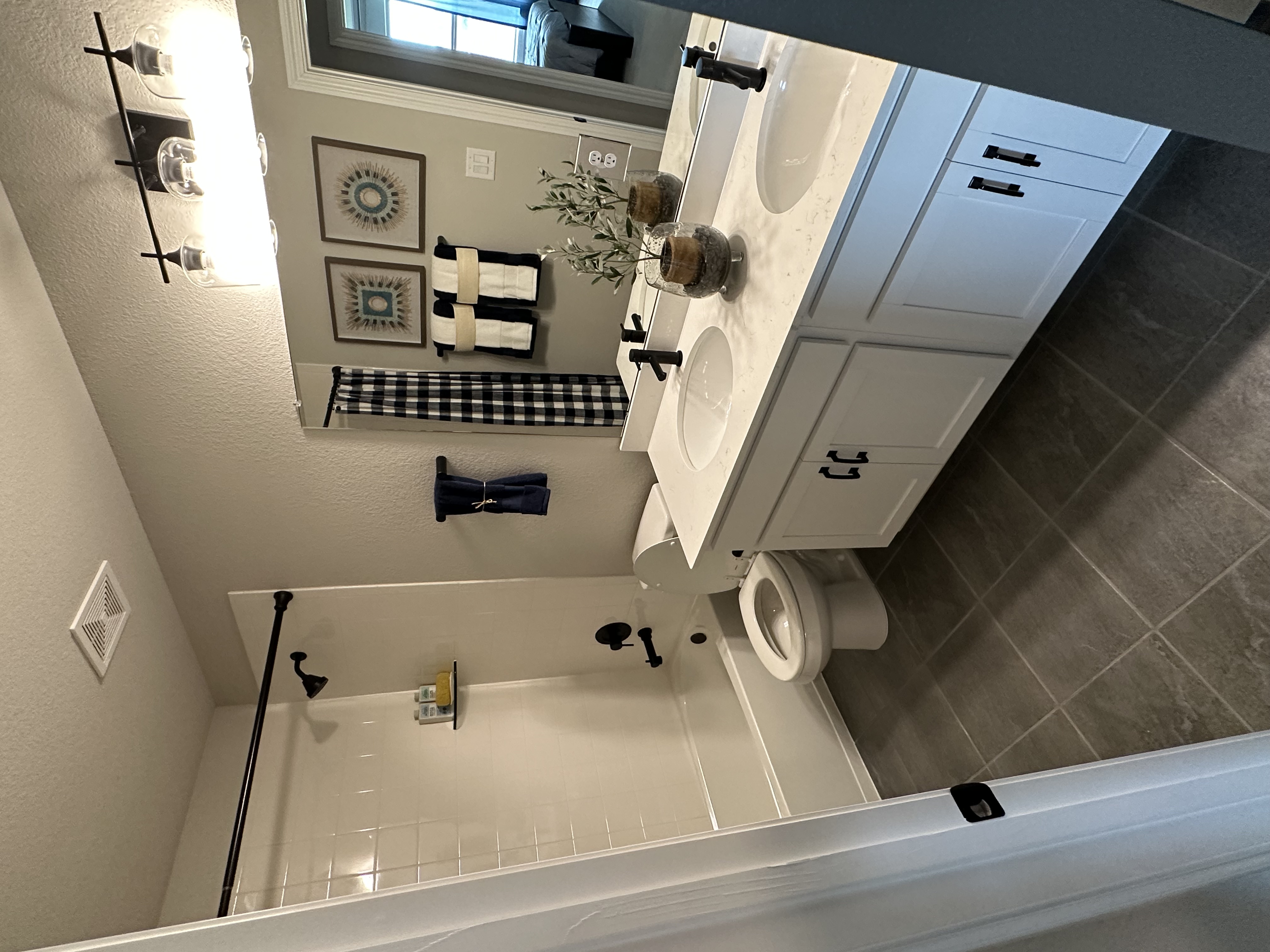
You’ve accepted an offer, the buyer has completed the inspection, and then your REALTOR® calls with the words many sellers dread:
“The buyer sent over a repair request.”
Before assuming the transaction is in trouble, it’s important to understand what that request actually represents.
A home inspection report and a repair request are two different things.
An inspector may identify dozens of observations about a property. The buyer then decides which items, if any, matter enough to address with the seller.
That distinction can make the entire process feel much more manageable.
Inspection reports can be lengthy.
That doesn’t mean the seller is automatically agreeing to correct every item.
The report provides the buyer with information about the condition of the property within the scope of the inspection.
The buyer then evaluates that information and decides how they want to proceed.
They may request several repairs.
They may request one.
They may request nothing.
Until the buyer actually makes a request, sellers should avoid negotiating against themselves.
Depending on the contract and the circumstances, a seller may be able to decline additional repair requests.
But whether rejecting a request is strategically wise is a different question.
If a buyer requests a relatively inexpensive repair and the transaction is otherwise strong, preserving the deal may make sense.
On the other hand, sellers shouldn’t automatically accept every request just because they’re worried the buyer might walk away.
The entire transaction needs to be considered.
Before responding, I like sellers to consider several questions:
What is the buyer actually requesting?
How significant is the issue?
What does the contract already require?
What concessions were negotiated when the offer was accepted?
What are current market conditions?
How difficult would it be to replace this buyer?
What matters most to the seller?
Repair negotiations shouldn’t occur in a vacuum.
If a request involves a significant system or component, additional information from an appropriate professional may help.
An estimate could show that something the buyer believes is expensive is relatively minor.
It could also reveal that the issue is more significant than initially thought.
Time matters, particularly during an option period, so contractual deadlines should always remain part of the discussion.
Depending on the transaction, the parties may discuss repairs or another negotiated solution.
However, financial concessions can be affected by lender and loan-program requirements, so parties shouldn’t assume every proposed arrangement will be permitted.
Any agreement should be documented appropriately.
Sellers should also understand that agreeing to repairs creates responsibilities under the contract.
Under Paragraph 7F of the TREC One to Four Family Residential Contract (Resale), unless otherwise agreed in writing, agreed repairs, treatments, and improvements must be completed before the Closing Date and required permits obtained. The work must be completed by appropriately licensed persons when a license is required or by people commercially engaged in that trade when licensing isn’t required.
The seller must also provide the buyer documentation from the repair person showing the scope of the completed work and payment for it, and arrange at the seller’s expense for transfer of applicable transferable warranties at closing.
That means repair documentation should be treated as part of the seller’s contractual responsibilities, not simply as an optional courtesy.
Inspection negotiations can feel personal.
Sellers have often lived in the home for years and may have maintained it carefully.
A buyer requesting repairs can sometimes feel like criticism.
Try to separate the transaction from the emotion.
The objective isn’t necessarily to prove that the buyer is wrong or to win every individual item.
The objective is to determine whether a reasonable solution exists that protects your interests and supports your larger goals.
A repair request doesn’t automatically mean your transaction is falling apart.
It means you’ve reached another stage of negotiation.
Understand what the buyer is asking for, evaluate the request within the context of the entire transaction, and make a deliberate decision rather than a reactive one.
If you’re preparing to sell a home in Katy, TX or the Greater Houston area, having a strategy for inspections and repair negotiations before you go under contract can make this stage much easier.
Jonathan McNabb, REALTOR®
Broker/Owner Nest Ahead
281.549.8099
NestAhead.com
General real estate information only. Contract terms and circumstances vary. Consult an attorney regarding specific legal rights or obligations.




 Erase note
 You currently have no custom folders