Sign In
Create an account and enjoy all the benefits of HAR.com!
Sign In
Sign in using social account


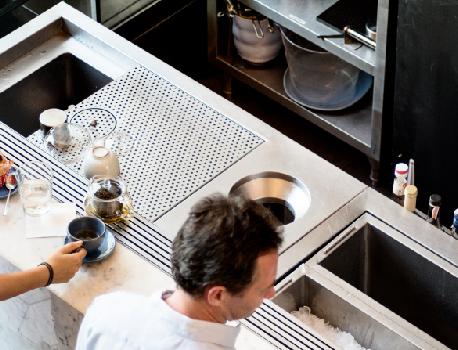
What if your neighborhood coffee shop did more than serve lattes? In Houston’s growing suburbs, that’s what’s happening. Once tucked away in shopping strips or hidden behind drive-thrus, coffee shops in Houston now sit at the heart of carefully planned, walkable communities. These cafés have become more than caffeine stops—they’ve evolved into cultural anchors that shape how people connect, move, and live.
This growing cafe culture influences everything from neighborhood design to daily routines. Developers and urban planners have started placing independent cafés at the center of new suburban layouts, turning them into destination points for walking, working, and gathering.
Residents, in turn, embrace them as local landmarks—places where relationships are formed, work is done over espresso, and public life unfolds.
As walkability gains traction in a historically car-dependent city, coffee shops in Houston are quietly driving a suburban renaissance—one sip at a time.
In Houston’s growing suburbs and near-urban areas, coffee shops have moved beyond their role as simple drink stops. They are now central features of community planning and daily life. Developers and urban designers have begun placing cafés at the core of walkable zones, blending retail, housing, and green space around them. At the same time, residents are embracing cafés as spaces for connection, routine, and shared experience.
Modern projects intentionally place coffee shops in Houston in high-traffic, central locations to serve as anchor amenities. These cafés activate public spaces and generate steady foot traffic, which helps nearby businesses. They also offer flexible gathering spaces for planned and casual interactions. These design choices are transforming the way suburban areas operate.
While Houston remains car-focused overall, some neighborhoods are building reputations for walkability, particularly around their growing café culture. These areas combine local cafés, parks, homes, and shops in a way that supports daily life on foot.
The Heights blends charm with modern living. The area around 19th Street is one of Houston’s most walkable spots, with cafés offering indoor and outdoor spaces for locals to gather. The neighborhood features sidewalks, bike lanes, and a growing list of small businesses, making it a popular destination for coffee and casual strolls.
Montrose stands out for its variety. Well-known for its varied culinary and artistic scenes, it also boasts a sizable café population for study sessions and small gatherings. People walk between cafes, vintage shops, and museums like The Menil Collection. The mix of uses and short distances makes this area feel active without a car.
Although primarily known for its office buildings, Downtown has become more walkable thanks to investments in public spaces. Areas like Market Square Park and the Historic District now feature local coffee shops in Houston. Public art, green spaces, and regular events add to the appeal. Many people walk between work, coffee, and events during the week.
Midtown has evolved into a daytime destination as well as a vibrant nightlife spot. Cafés in this part of Houston attract students, remote workers, and locals, supporting a lively café culture with easy access to public transit and affordable housing.
West of Downtown, CityCentre is a master-planned district built for walking. The design includes wide sidewalks, outdoor patios, and a central plaza. Local coffee shops in Houston are a favorite among families and remote workers. It’s one of the few Houston suburbs where people can park once and walk all day.
Technically outside Houston, The Woodlands Waterway offers one of the best suburban walkable areas in the region. With its array of eateries, coffee shops, and waterfront walkways, it has evolved into a popular weekend destination for those seeking to enjoy coffee and the outdoors.
The suburbs no longer wait for culture to arrive from the city center—they’re brewing it fresh, one café at a time. As sidewalks stretch longer and plazas grow livelier, coffee shops in Houston are doing something unexpected: they’re setting the rhythm for how neighborhoods evolve.
The focus is not only on caffeine sources but also on pause, connection, and shaping one's sense of place. The quiet hum of an espresso machine, the buzz of weekend foot traffic, and the chalkboard menu with local events—each contributes to a living blueprint for community. That’s the unspoken power of cafe culture: it doesn’t just respond to what a place is, it actively participates in what it becomes.
For those watching how Houston grows, the answer is often right there at the corner café. The growth of coffee shops in Houston demonstrates how suburban life is evolving, bringing people together, one cup at a time.
In walkable areas, independent cafés can stand out without large marketing budgets. Smaller shops can build loyal, local customers through foot traffic, outdoor seating, and unique interiors, providing a fair chance for visibility.
Very. These walkable areas are home to many independent coffee shops in Houston. You’ll find local roasters, creative menus, and unique atmospheres that are hard to find in chain spots or drive-thru setups.
It encourages developers to create smaller blocks, public gathering areas, and central hubs that offer a variety of food and coffee options. It promotes design that supports staying rather than passing through.




 Erase note
 You currently have no custom folders