Sign In
Create an account and enjoy all the benefits of HAR.com!
Sign In
Sign in using social account


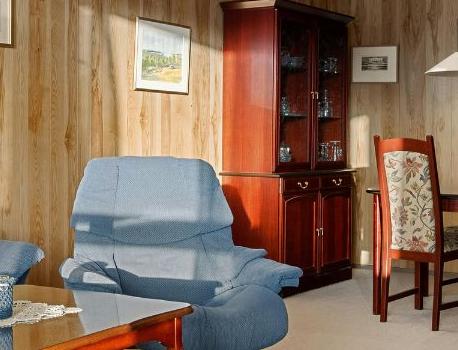
If you're thinking about selling your home, you've probably asked yourself one big question: should you fix it up first, or sell it as-is? For many homeowners, especially those looking for a quicker or simpler sale, listing a home "as-is" can feel like the easiest route.
But while selling as-is can save time and effort upfront, it also comes with trade-offs that are important to understand before making a decision.
Selling a home as-is means you're offering the property in its current condition without agreeing to make repairs or improvements before closing.
However, there's a common misconception here:
In other words, "as-is" doesn't eliminate negotiations. It simply signals that you're not planning to fix anything ahead of time.
For many homeowners, convenience is the biggest factor. Selling as-is can make sense in certain situations, especially when time, budget, or circumstances are limited.
While selling as-is can be appealing, it's important to go in with realistic expectations.
Not all updates require a full renovation. In many cases, small improvements can significantly increase your home's appeal and final sale price.
These relatively low-cost updates can help your home stand out and attract more competitive offers.
Choosing whether to sell as-is depends on your priorities. Ask yourself:
A local real estate professional can help you evaluate your home and estimate how repairs might impact your sale price.
Selling your home as-is can be a smart strategy in the right situation, especially if your goal is speed and simplicity. But it's not always the most profitable path. Understanding the trade-offs and knowing where small improvements can make a big difference will help you make a confident decision. The best approach is the one that aligns with your timeline, budget, and overall goals.
Should you sell a house as-is or fix it up first?
It depends on your goals. Selling as-is is faster and requires less effort, but making minor improvements can often lead to a higher sale price and more buyer interest.
Can buyers still negotiate on an as-is home?
Yes. Even if a home is listed as-is, buyers can negotiate based on inspection results, often requesting price reductions or concessions.
Will selling as-is affect how long my home stays on the market?
It can. Some as-is homes sell quickly, especially if priced competitively, but others may take longer due to a smaller pool of interested buyers.


 Erase note
 You currently have no custom folders