Sign In
Create an account and enjoy all the benefits of HAR.com!
Sign In
Sign in using social account


How Gas Prices Affect Home Prices
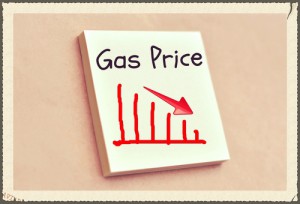 Most of us are rejoicing now that the price of gas is coming down. For the typical consumer this means freed-up cash to spend on life’s other pursuits. When you’re considering buying or selling a home, however, the price at the pump can impact your bottom line in ways you may not be considering.
Houston’s economy
When the local economy relies on income from crude oil sales, a drastic reduction in prices can depress the local market. So in places like Houston or Alberta, Canada for example, a dip in the price of crude oil could mean fewer people moving into the area so sales to newcomers may slow down. Or, it could mean that folks whose income relies on the oil industry may decide not to move into that bigger home until things stabilize.
Declining oil prices will definitely affect the “Energy Capital of the World,” but how much? Houston has gone a long way since the oil bust of the 1980s to diversify it’s economy and to develop industries other than oil and gas. This will be the first time since the 80s that we’ve seen a sharp decline in the price of oil so it will be interesting to see how the Houston economy fares.
Inflation may go up
Historically a decrease in oil prices is one of the leading indicators (predictors) of inflation. An increase in fuel costs would depress the consumer aspect of the economy while a decrease would raise consumer spending. So, in theory a decrease in fuel prices should result in an increase in housing prices since more people would be able to enter the home-buying market. Recent forecasts run by the Federal Reserve Bank of Cleveland question the long-term use of oil as an inflation predictor, but for recent decades, the connection is striking. So in general, a decrease in fuel costs should improve the selling market.
Costs of goods may go down
While most consumers know how prices at the pump affect their driving habits and even some of their spending habits, most do not reflect on the way it changes the price of products made from petroleum by-products. These products include most of the products on the shelves at your local Wal-Mart. From plastic milk jugs and water bottles to flat-screen TVs, clothing to carpeting, oil prices affect the products you use in your home every day. When prices go up, the cost of goods sold goes up. As prices of crude oil go down, however, manufacturers and retailers may not be as quick to pass those savings on to consumers. Volatility in the crude oil market means they may have to plan for the prices to go back up in the future so they may delay lowering the price of goods.
An unstable market means that the cost to build new homes can change from day to day. Year over year, the cost to build the same home varies dramatically. According to the National Association of Home Builders, the average share of a home’s sale price that goes to the construction cost jumped from 59 percent in 2009 to 62 percent in 2013. This means that new homes built during higher costs times may not see the same price reductions as older pre-owned homes.
Talk to an expert
To learn how the changes in fuel prices and crude oil affect your local housing market, talk to a Realtor. A Realtor can help you determine if this is the right time for you to buy or sell. We know the best ways to market your home and how to watch the trends for the best home-buying options.




 Erase note
 You currently have no custom folders