Sign In
Create an account and enjoy all the benefits of HAR.com!
Sign In
Sign in using social account


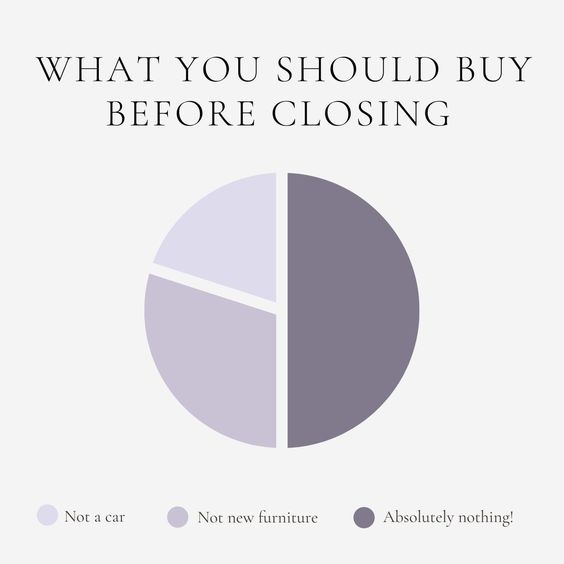
When you go under contract to purchase a home, it's generally advisable to avoid making any large purchases or taking on new debts until the closing process is complete. Here are several reasons why:
Impact on Your Credit: Large purchases or taking on new debts, such as financing a new car or making substantial credit card charges, can affect your credit score. Lenders typically check your credit before closing to ensure your financial situation hasn't significantly changed. A lower credit score or additional debt could jeopardize your mortgage approval or result in less favorable loan terms.
Debt-to-Income Ratio (DTI): Lenders consider your debt-to-income ratio when evaluating your mortgage application. Any new debts or purchases can increase your monthly financial obligations, potentially pushing your DTI above acceptable levels. A high DTI can lead to loan denial or higher interest rates.
Verification of Funds: During the closing process, you'll need to provide documentation of your financial assets, including bank statements. Large withdrawals or transfers of funds can raise concerns and may require additional documentation or explanations to satisfy the lender's requirements.
Unpredictable Delays: The closing process can be complex, with various parties involved, including lenders, title companies, and sellers. Delays can happen for a variety of reasons, such as issues with the appraisal, title search, or the completion of necessary repairs. If you've taken on new debt or made significant purchases, it can complicate the underwriting process and potentially extend the closing timeline.
Risk of Loan Denial: If your financial situation changes significantly, such as taking on substantial debt, it can increase the risk of your mortgage application being denied altogether. This can result in the loss of any earnest money or deposits you've made.
Change in Financial Stability: A new large purchase or debt can affect your overall financial stability. Homeownership comes with additional expenses like property taxes, insurance, and maintenance. It's important to ensure you have sufficient financial reserves to cover these costs after the home purchase.
In summary, it's generally wise to exercise financial caution and avoid making large purchases or taking on new debts once you're under contract to purchase a home. Doing so can help ensure a smoother and more successful closing process and prevent potential complications that might affect your mortgage approval or loan terms. It's advisable to consult with your lender and real estate agent for guidance on managing your finances during the home buying process.




 Erase note
 You currently have no custom folders