Sign In
Create an account and enjoy all the benefits of HAR.com!
Sign In
Sign in using social account


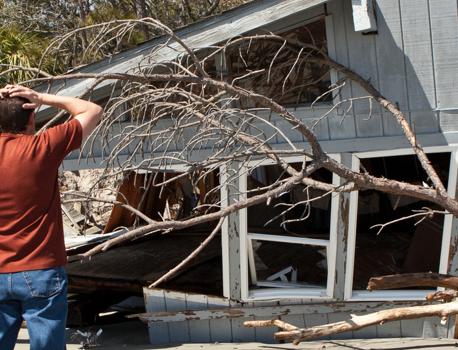
The Atlantic coast hurricane season lasts from June through November, with the likelihood of storms peaking from August to October. The East Coast and Gulf Coast are most at risk, though damage from wind and rain can extend well inland.
Homeowners should assess insurance needs long before a hurricane makes landfall. Most insurers wont issue policies when a storm is imminent. The cost of hurricane insurance depends on a number of factors including where you live, what your house is worth, and how high a deductible youre willing to pay.
Hurricane coverage varies by state. In general, homeowners insurance will cover damage from wind and wind-driven rain. So if high winds rip off your shingles and water penetrates through the roof, the damage is usually covered. Read your policy carefully, and look for any limitations on wind and water damage.
The fine print is especially important because an increasing number of insurers are excluding damage from hurricanes altogether, says Frank Darras, an insurance attorney in Ontario, Calif. Homeowners in states like Florida, Texas, and Louisiana may need to purchase homeowners insurance with supplemental hurricane coverage. Alternatively, it may be advisable to buy separate windstorm and flood policies.
Even homeowners policies that dont exclude hurricanes will typically exclude damage from floods caused by rising water. Rising water can result from ground-water surge, tidal surge, or overflowing lakes and rivers. Flood insurance is available to most homeowners through the National Flood Insurance Program.
Homeowners at the greatest risk from high winds should check with their state insurance commissioner to help determine what additional coverage is needed. States threatened by hurricanes usually operate high-risk insurance pools that offer hurricane coverage, says David Miller, head of Brightway Insurance in Jacksonville, Fla.
The cost of comprehensive hurricane coverage can vary wildly, from as little as 300 for a modest house in a low-risk area to upwards of 20,000 for a luxury home in a high-risk zone. On top of the premium, policies issued in states that are most susceptible to storms can come with hurricane deductibles, which typically range from 1%-5% of the insured value of a home. A standard deductible, say 500, would apply to claims that arent hurricane-related.
Hurricane deductibles usually kick in when damage results from a named storm. That means if your house is insured for 200,000, and its damaged in a hurricane, then the hurricane deductible will range between 2,000 (1% of insured value) and 10,000 (5%). Some states allow homeowners to choose the hurricane deductible -- the higher the deductible, the lower the premium -- while others set deductible levels.
Darras, the insurance attorney, counsels homeowners to review their hurricane risks and current coverage to determine whether purchasing additional insurance is necessary. He also suggests factoring in the condition of the house itself. New constructions are more likely to be built to withstand high winds, while older homes that werent subject to stricter building codes are less so. Consult a home inspector or contractor.
Hurricane-mitigation improvements, such as storm shutters and secondary water protection (essentially an extra layer of water-proofing between shingles and the roof sheathing), can lower the cost of hurricane coverage. In Floridas Miami-Dade County, for example, the annual premium on an older home insured for 150,000 runs between 3,000-8,000, assuming no mitigation improvements and a 2% hurricane deductible. With mitigation improvements, the same home would cost 1,000-3,500 to insure.
If wind damage is sufficiently addressed by your existing homeowners policy but flooding isnt, a common scenario for homeowners, then look into a separate flood policy. Just an inch of floodwater in your home can result in 7,800 in damage. The average flood policy costs 540/year, according to the National Flood Insurance Program.
Dont wait until the last minute to determine your needs. Some policies have a waiting period before they go into effect. And once a tropical storm is named or a hurricane watch declared, its unlikely youll be able to purchase a policy to cover that particular storm. Set aside a day to review your current policy and get quotes on additional coverage.It comes down to risk tolerances, Darras says. What does your policy cover? Where do you live, and what is the risk youre facing? What can you afford? And how much risk are you comfortable with? Those are the questions you need to ask when youre deciding on purchasing more coverage.
Gwen Moran has written about finance and real estate for over a decade. Her work has been in Entreprenseur, Newsweek, and The Residential Specialist. A Jersey Shore resident, shes weathered hurricanes, Noreasters and one earthquake.




 Erase note
 You currently have no custom folders