Sign In
Create an account and enjoy all the benefits of HAR.com!
Sign In
Sign in using social account


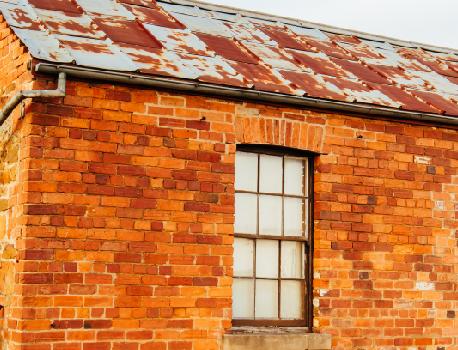
A distressed property, often called distressed homes, presents a unique opportunity that can be both rewarding and challenging. Distressed properties include homes in disrepair, vacant or abandoned, facing foreclosure, or being sold under unfavorable conditions.
While a distressed home can be a tempting prospect due to its lower price point, it also comes with specific considerations. Before exploring this specialized housing market segment, it's crucial to understand the pros and cons of buying a distressed house.
Today, we'll explore the advantages and disadvantages of purchasing a distressed property, providing you with the knowledge needed to decide whether it’s the right option for you.
Before exploring the advantages and disadvantages of distressed homes, let's define them. A distressed property is a real estate that is either in bad shape or has financial issues. This can encompass various scenarios, such as foreclosures, short sales, abandoned homes, or properties in significant disrepair.
Buying distressed homes can provide the following advantages:
Distressed homes are often priced below market value, presenting a unique opportunity to secure a home at a substantial discount. If you're willing to invest in repairs and renovations, you can acquire a property for a fraction of its potential worth.
Distressed homes offer room for equity growth. You can enhance the property's value with strategic renovations and improvements, building instant equity. This financial gain can be realized when you sell the property or refinance.
Buying a distressed home allows you to exercise creative freedom in making it your own. Any aspect of the home's interior or exterior and layout can undergo modification to suit your tastes and requirements.
Distressed properties can be lucrative investments if you want to take on renovation challenges. Whether you plan to flip the property for profit or rent it out for a steady income stream, these homes offer diversified investment options.
The unique challenges and uncertainties associated with distressed properties often deter other potential buyers. This means there's reduced competition in the bidding process, increasing your chances of securing a property at a lower price.
There is a potential downside to owning a distressed property, as discussed below:
Renovating a distressed home can incur unexpected expenses exceeding your initial budget. These costs can include structural repairs, electrical or plumbing issues, or hidden damage that's not evident.
Purchasing, renovating, and bringing a distressed house to a livable state can be time-consuming. It requires careful planning, skilled labor, and ongoing project management.
Distressed homes may have hidden issues or damage that's not evident. Problems such as mold, termite damage, or structural instability can be discovered during renovation, leading to costly repairs.
Securing a mortgage for a distressed home can be more complex than conventional properties. Traditional lenders might hesitate to provide financing due to the property's condition. However, there are specialized loan programs available for distressed home purchases.
Dealing with rehabilitating a distressed house can be taxing. It may require patience, determination, and the ability to handle setbacks common in renovation. This emotional stress can be challenging for first-time buyers.
Here’s what you can do to ensure that purchasing a distressed home is a favorable investment for you:
Examine the property, its past, and potential issues in detail. If you want an accurate cost estimate for repairs, having an expert assess the property is a good idea.
Create a budget considering the purchase price, renovation costs, and a buffer for unexpected expenses. Making a prudent home investment choice requires an in-depth financial strategy.
Hire professionals to assist you if you aren't very skilled in home improvements. Professionals in the construction, inspection, and brokerage industries who have dealt with foreclosed homes can help you renovate a distressed home.
Take advantage of the property's distressed situation to negotiate a lower price. Hire a real estate agent to seek your best interests and negotiate the lowest price.
Recognize that the duration of the renovations may exceed initial estimates, and make alternate lodging arrangements. Being adaptable and patient is essential when encountering setbacks.
A prudent, knowledgeable, and well-considered approach to purchasing a distressed home can make it a fruitful endeavor. Whether you're a first-time homebuyer or an experienced investor, buying a distressed home should be based on a thorough understanding of the property's condition, financial capabilities, and long-term goals.
Ultimately, your success in buying a distressed property hinges on meticulous planning, thorough research, and the ability to adapt to the unexpected. Let’s search for distressed homes now!
Renovating a distressed property can come with various challenges, including hidden structural issues, electrical or plumbing problems, and additional costs you didn't anticipate.
There are renovation loans like FHA 203(k) or Fannie Mae HomeStyle that are tailored for distressed property buyers. These loans often include funds for purchasing and renovating the property.
Yes, you can rent out a distressed property after purchase, but it's essential to make necessary renovations to make it livable and safe for tenants.
First-time homebuyers can consider distressed homes but must be aware of the challenges and potential complications.
Depending on your location, there may be specific regulations and disclosure requirements related to selling distressed homes that have been through foreclosure.


 Erase note
 You currently have no custom folders