Sign In
Create an account and enjoy all the benefits of HAR.com!
Sign In
Sign in using social account


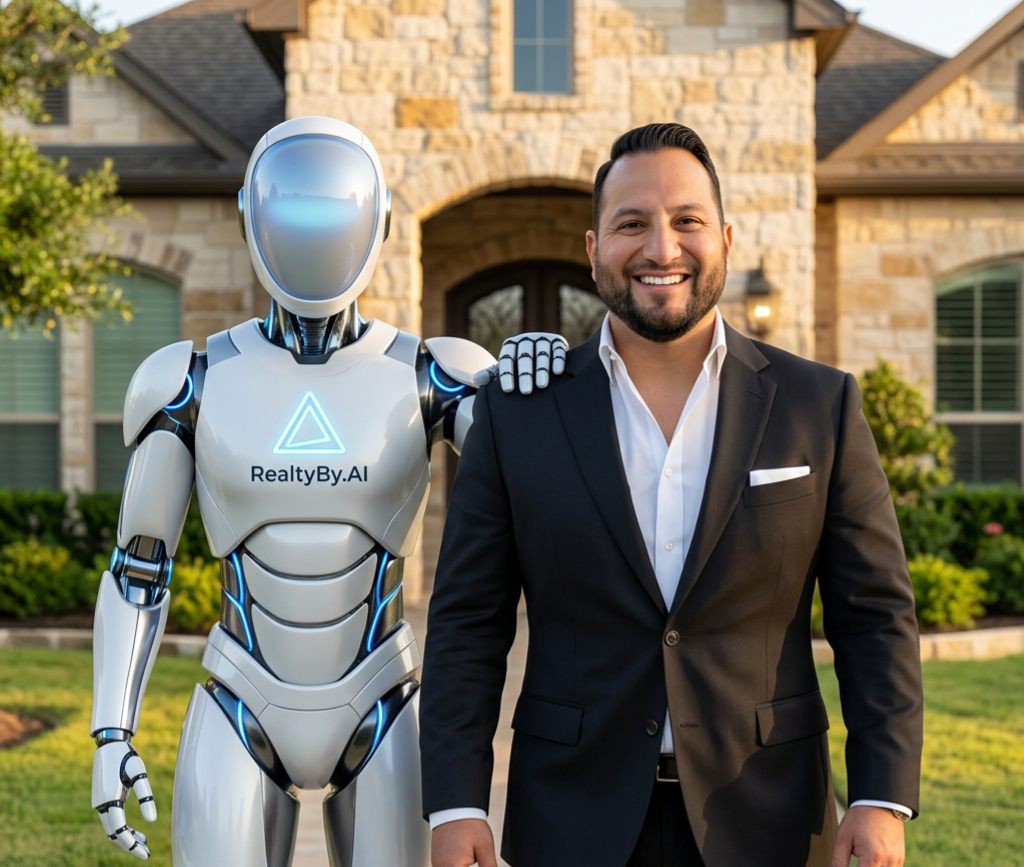
Artificial intelligence is changing real estate fast. It can help write marketing copy, organize information, answer basic questions, and even make certain tasks feel easier and faster. I use AI myself, and I believe it is going to continue transforming the industry in a big way.
But there is one area where people need to be extremely careful:
Your real estate transaction is not something you should hand over to AI alone.
That may sound surprising in a world where people are using AI for everything from emails to contracts to business strategy. But when it comes to buying or selling a home, relying only on AI can create serious problems — and expensive ones.
AI Can Sound Confident and Still Be Wrong
One of the biggest dangers with AI is that it often gives answers in a very confident way. It may sound polished, fast, and professional. The problem is that confidence does not equal correctness.
A real estate transaction involves deadlines, legal documents, negotiations, financing details, title issues, inspection concerns, disclosures, contract terms, amendments, and moving parts that affect real money and real risk. If AI misunderstands one detail or gives the wrong explanation, a buyer or seller may not realize the mistake until it is too late.
In real estate, “almost right” can still be very wrong.
Every Transaction Has Human Variables
No two deals are exactly the same.
A contract may look standard on the surface, but every transaction has its own personalities, problems, pressure points, and timing issues. Maybe the appraisal comes in low. Maybe the title commitment reveals a surprise. Maybe repairs become a negotiation battle. Maybe one side is emotional, confused, delayed, or simply not cooperating.
AI does not truly understand human motivation, tension, urgency, or local deal dynamics the way an experienced real estate professional does.
A transaction is not just paperwork. It is people, pressure, timing, and judgment.
AI Does Not Carry the Responsibility
This is one of the most important points.
If AI gives you bad advice, misses a red flag, misunderstands a contract term, or causes confusion in a transaction, AI does not carry the consequences.
You do.
That means the buyer, seller, agent, or broker is left dealing with the fallout. Missed timelines, contract misunderstandings, poor negotiation choices, and legal exposure do not disappear just because a chatbot gave the answer.
Technology can assist. It should not replace responsibility.
AI is powerful. I believe in it. I use it. I build around it.
But when it comes to your real estate transaction, this is not the place to rely on AI by itself.
Buying or selling a home is too important.
The contracts are too serious.
The deadlines are too critical.
The risk is too real.




 Erase note
 You currently have no custom folders