Sign In
Create an account and enjoy all the benefits of HAR.com!
Sign In
Sign in using social account


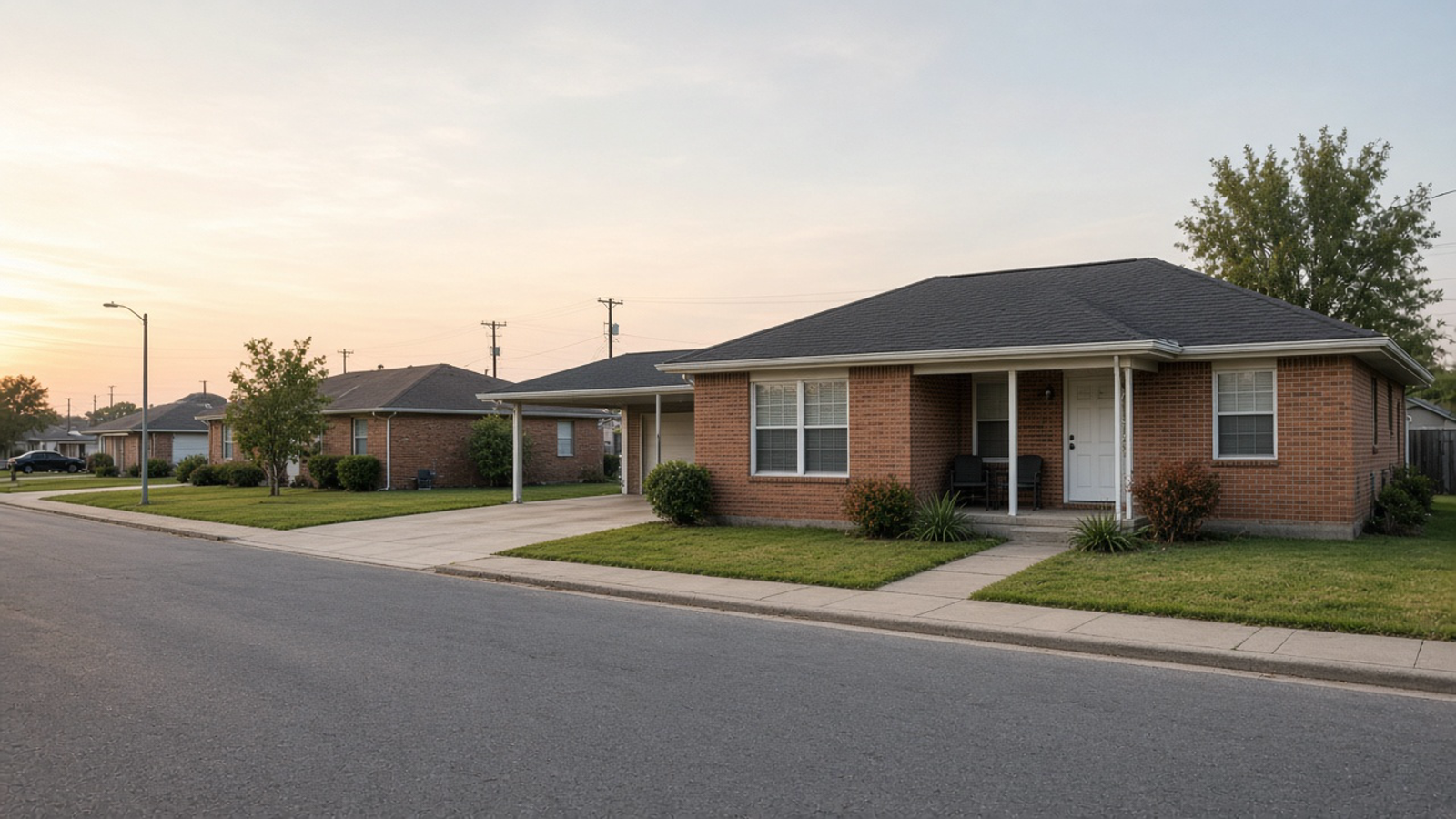
A Houston rental that "cash flows" on a spreadsheet often does not cash flow after reserves. Rent minus the mortgage payment is not the number. The number that survives management, vacancy, maintenance, and capex is.
The full submarket map is in my Houston cash-flow rental markets guide. This is the HAR cut: how I underwrite the deal before anyone writes an offer, and which kinds of submarkets still clear in 2026.
This is general information, not investment, tax, or lending advice. Every door needs its own comps, tax bill, and insurance quote.
True monthly cash flow is rent received minus PITIA, then minus operating costs. I reserve roughly 8–10% of gross rent for management (even if you self-manage — time is a cost), 5–8% for vacancy, 5–10% for maintenance, and 5–10% for capex. Combined, that is often 25–35% of gross rent. Cash flow that dies there was never
Premium master-planned and luxury Inner Loop product usually does not cash flow after reserves. Strong demand, strong appreciation story, compressed rent-to-price. Those are equity builds, not monthly income machines. If you want both income and equity, split the portfolio across types instead of hunting a unicorn door. Scaling that mix is in Houston investor portfolio scaling.
Higher turnover in lower-tier stock means leasing fees, make-ready, and weeks of vacancy. Older houses bring foundation, slab leak, electrical, and HVAC risk — bake that into capex, not hope. Texas property tax is not a national-average line item; pull the actual CAD bill and expect about 2–3% of appraised value in many Greater Houston pockets, higher in some MUD-heavy areas. Protest when the number is wrong: property tax protest walkthrough. Flood is parcel-level, not "this
What rent-to-price should I target?
About 0.7–0.9% monthly on B-class doors is a realistic 2026 band before you invent a BRRRR story. Anything that only works if you skip reserves does not count.
Is this the same as the renter-demand market story?
No. Renter demand can be hot while a specific purchase still fails the cash-flow test. Different question, different math.
If you want the submarket map and archetype breakdown, start with Houston cash-flow rental markets. If you want a door underwritten before you write, call or text 832-343-8383.
Eddie Weir, REALTOR® · Top 1% REMAX Producer · ABR, LUXE · License #560899. Informational only, no guarantee of outcomes. If you're currently working with a REALTOR®, please disregard.
submarket is fine" — see the flood-zone buyer guide.
Past a few doors, many investors move to DSCR financing underwritten on the property's rent versus payment, not W-2 income. Rate premium is real; friction reduction at scale can still pay for it. Mechanics are in DSCR loans in Houston. Value-add paths that change the rent after rehab are a different model — BRRRR in Houston.
Can Houston rentals still cash flow at current rates?
Yes, with tighter criteria. Honest underwriting in cash-flow-oriented submarkets still clears. Premium master-planned usually does not on monthly income alone.
real.
The classic 1% rule rarely clears in current Houston pricing and rates. A more honest B-class target is about 0.7–0.9% monthly rent-to-price, with appreciation and stability filling the gap where the ratio is thinner. Below about 0.6% after honest reserves, I treat it as an appreciation play, not an income play. The investor frame around that underwrite is in the Houston investment property guide.
Cash-flow candidates tend to be older east-side and transitional pockets, second-ring suburban tracts outside the most expensive master-planned set, and workforce housing near real job centers — Medical Center adjacency, port and petrochem corridors, refinery towns. Entry prices are lower. Tenancies can be longer when the job base is stable. Concentration risk is real if one employer dominates the block.


 Erase note
 You currently have no custom folders