Sign In
Create an account and enjoy all the benefits of HAR.com!
Sign In
Sign in using social account


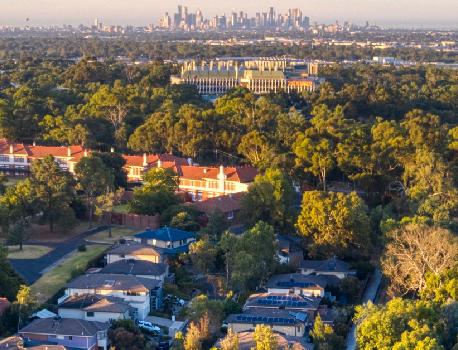
As urban living has become increasingly hectic, expensive, and space-constrained, many people often move to serene, relaxed suburban environments for a better quality of life. However, that means giving up many urban perks and conveniences they could have enjoyed in urban areas.
Nevertheless, a new movement is reshaping the American dream --suburban revival. Far from the sleepy, car-centric lifestyle of the past, today's suburbs are transforming. This trend is quite visible in the dynamic and diverse Houston neighborhoods, integrating the best urban convenience with the tranquility and space of suburban life.
Homebuyers, renters, investors, and developers are reimagining suburban living in 2025. With a focus on walkability, culture, home design, home types, and connectivity, suburbs around Houston are redefining themselves to suit modern lifestyles.
In this blog, we will explore the changes happening due to suburban revival in Houston neighborhoods and how they impact Houston suburbs.
Many people leave urban areas for the suburbs in search of more space, affordability, and a quieter lifestyle. Suburbs offer better schools, lower housing costs, and a calm escape from the fast-paced lifestyle of city life. The rise of remote work has also made commuting less necessary, making suburban living more practical. Yet, relocating to the suburbs can mean trading cultural vibrancy, quick commutes, and urban social life for larger backyards.
Today, however, people shifting to suburbs are not just looking for more square footage--they want livability, community, and accessibility. The suburbs are capitalizing on that relocation trend, resulting in the suburban revival. The evolution of Houston neighborhoods like The Woodlands, Sugar Land, and Katy has turned the region into a laboratory for innovative suburban planning. The new suburban appeal blends traditional advantages--like affordability and safety--with emerging needs such as co-working spaces, bike lanes, and vibrant town centers.
The suburban revival in Houston is about the transformation of its suburbs. With more residents choosing the suburbs, local governments, developers, and entrepreneurs infuse these communities with urban perks. Here is how the revival is unfolding:
From Bridgeland in Cypress to Cinco Ranch in Katy, many master-planned communities are building walkable commercial cores. These centers feature a mix of boutiques, restaurants, fitness studios, and public gathering spaces--designed to foster interaction and reduce car dependence in Houston neighborhoods.
Once limited to downtown venues, arts and entertainment are spreading to suburban locales. Aliana in Richmond boasts music festivals, while Pearland's Town Center hosts cultural parades and outdoor performances, giving residents easy access to enriching experiences. Such entertainment places can enhance opportunities for social gatherings and civic engagement.
Health is a priority in revived suburbs. Trails, community gardens, and outdoor fitness stations are commonplace in many Houston neighborhoods as part of the suburban revival. Places like The Woodlands are investing in holistic wellness with health-focused eateries, clinics, and expansive greenbelts.
The rise of hybrid work has made it essential for suburbs to offer professional spaces. Developments like Generation Park in northeast Houston provide office clusters and co-working spaces near residential zones, eliminating long commutes and boosting work-life balance.
Though Houston remains car-heavy, suburbs are working on connectivity. METRO Park & Ride expansions and improved bike lanes in suburbs like Bellaire and Spring Branch are helping residents access urban Houston without the hassle.
The suburban revival is diversifying housing options beyond traditional single-family homes. Townhomes, apartments, build-to-rent communities, and senior-friendly options are becoming more common in suburban developments. These options cater to young professionals, retirees, and remote workers seeking flexibility. In addition to the type of homes, eco-friendly designs are being incorporated as well through practices such as solar panels and smart irrigation.
The suburban revival is not just cosmetic--it is about cultivating a lifestyle that merges the best of both worlds.
The benefits of the suburban revival are now quite visible across Houston neighborhoods:
The appeal of amenity-rich suburban areas has increased property values and new developments. Builders focus on mixed-use communities that blend retail, residential, and recreational features. This growth has attracted real estate investors who previously focused solely on urban cores.
As suburban areas develop their own identities, they also become employment hubs. For instance, Fort Bend County and Montgomery County are seeing job growth in tech, healthcare, and education, which were confined only to downtown before.
Houston neighborhoods are fostering stronger community bonds. Shared green spaces, farmers markets, and local events promote interaction and civic involvement, making suburbs more than dormitory towns.
Sustainability is an integral part of the suburban revival. Energy-efficient buildings, water conservation systems, and renewable energy projects are becoming standard in many suburban projects.
The suburban revival is attracting a more diverse population--young professionals, retirees, immigrant families, and digital nomads. This demographic variety brings cultural richness and broadens the demand for inclusive amenities.
The once-distinct boundary between urban excitement and suburban serenity is fading due to the suburban revival reshaping the landscape of Houston neighborhoods. As more people embrace a lifestyle that values convenience and comfort, the suburbs are no longer a fallback--they are the destination.
Houston's suburbs exemplify how communities can evolve to meet modern expectations while preserving the values that have always made suburban living attractive. This suburban renaissance is not just a trend but a long-term shift toward smarter, livelier, and more inclusive living environments.
The suburbs increasingly support small and local businesses through pop-up markets, business incubators, and mixed-use developments, encouraging foot traffic and community engagement.
These suburbs offer affordable entry-level housing, first-time buyer programs, and family-friendly neighborhoods ideal for those entering the housing market.
While the suburban revival brings many benefits, it can also lead to increased traffic, overdevelopment, and strain on infrastructure and natural resources. Additionally, rising demand may drive up housing costs, making affordability a concern for some buyers.


 Erase note
 You currently have no custom folders