Sign In
Create an account and enjoy all the benefits of HAR.com!
Sign In
Sign in using social account


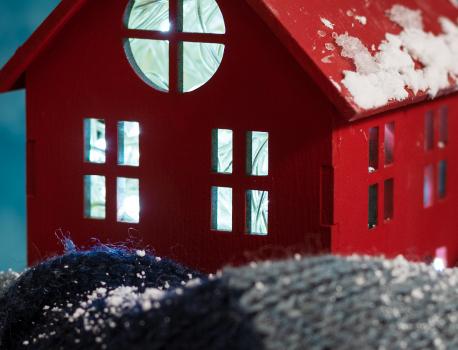
With winter on the horizon, taking swift steps to make your home winter-ready can save you time, money, and stress. Cold weather tests your home's resilience and influences your comfort and safety. The good news? You don't need weeks of preparation.
This blog provides actionable steps to make your home while emphasizing key tasks to ensure warmth, energy efficiency, and safety.
Drafty windows and doors are among the leading causes of energy loss during winter. Start by carefully inspecting every window and door in your home. Place your hand near the edges to feel the cold air. If you notice drafts, act quickly.
Example
A homeowner noticed a significant draft near their living room window. By applying weather stripping and caulking the gaps, they saved 20% on their heating bill that season.
Steps to Seal Effectively:
Why it Matters: Sealing these gaps ensures that your heating system doesn't work overtime to compensate for lost warmth.
Your heating system is essential to make your home's heart warm during the cold weather. A poorly maintained system can increase energy bills and fail at critical moments.
Example
A family skipped their furnace maintenance one year and faced a complete system failure on the coldest night of December. After that, they prioritized annual servicing, avoiding future issues.
Quick Checklist:
Why it Matters: A well-maintained system operates efficiently to make your home warm without unnecessary costs.
Frozen pipes can burst, causing extensive water damage. Pipes in unheated spaces, such as garages or basements, are especially vulnerable.
Example
A homeowner wrapped their basement pipes with heat tape and avoided a burst pipe incident during a record freeze. Their neighbor, who hadn't taken similar precautions, dealt with flooding and costly repairs.
How to Prevent Freezing:
Why it Matters: Proactive measures can prevent minor inconveniences and significant disasters.
Clogged gutters can lead to ice dams, which cause water to back up under roof shingles. This can cause leaks and even structural damage.
Example
One homeowner routinely cleaned their gutters every fall. Their neighbor neglected this step, leading to a major ice dam and water damage that required professional repairs costing thousands.
Steps for Cleaning:
Why it Matters: Maintaining your gutters protects both your roof and foundation from preventable damage.
Good insulation is essential to keep your home warm from the inside. Inspect key areas like the attic, walls, and basement for adequate coverage.
Example
A family added insulation to their attic after noticing high heating bills. The difference in warmth and cost was noticeable the following winter, as their home retained heat more effectively.
Where to Focus:
Why It Matters: Proper insulation reduces energy loss and saves you money. It can also make your home cozy.
Increased heating usage during cold weather heightens the risk of fires or carbon monoxide leaks. Ensuring your detectors are functional can be life-saving.
Example
A homeowner tested their carbon monoxide detector and discovered it wasn't working. Replacing it can likely prevent a potentially fatal situation when their furnace develops a small leak that winter.
How to Test:
Why it Matters: Functional detectors provide crucial protection during the winter months.
Ceiling fans aren't just for summer. Reversing their direction helps distribute warm air effectively during winter.
Example
A couple reversed their fan direction and noticed their living room stayed warmer, even though they lowered the thermostat, reducing energy costs.
How to Reverse:
Why it Matters: This simple step improves heat circulation, maximizing your heating system's efficiency.
Winter storms can bring power outages or restrict access to essentials. Preparing ahead keeps you ready for any situation.
Example
During a major snowstorm, a prepared family had non-perishable food, flashlights, and extra blankets. Their neighbor struggled to find supplies during the storm's peak.
Must-Haves:
Why it Matters: Being prepared reduces stress and ensures your family's safety during emergencies.
Outdoor furniture and water systems can suffer damage if not properly winterized. Protecting these items saves money in the long run.
Example
A homeowner stored their patio furniture and drained their garden hoses before winter, preserving them for years. Their neighbor left items exposed, leading to cracks and replacements come spring.
To-Do List:
Why it Matters: Safeguarding outdoor items extends their lifespan and avoids costly replacements.
If you use a fireplace, a clean and inspected chimney ensures safety and efficient operation.
Example
A homeowner hired a professional chimney sweep before winter. They discovered a significant creosote buildup, which, if left unchecked, could have led to a dangerous chimney fire.
Chimney Maintenance Steps:
Why it Matters: Routine chimney maintenance prevents fire hazards and ensures your fireplace operates smoothly.
Setting rent prices requires a thoughtful balance between market trends, tenant needs, and property maintenance. By addressing concerns like cold weather readiness and focusing on features that make your home attractive, you can maximize returns while providing value to tenants.
Windows can be a source of heat loss during cold weather, so it's important to effectively insulate them. You can use thermal curtains, apply window film, or install storm windows to retain heat. These measures improve comfort, help make your home more energy-efficient, and reduce heating costs.
Smart thermostats are an excellent tool for optimizing energy use during cold weather. They allow you to program heating schedules and control the temperature remotely, ensuring you make your home warm without wasting energy. This technology is an easy way to make your home comfortable and energy-efficient in all weather.
Preparing your roof for cold weather is essential to avoid damage from snow and ice. Check the roof for missing shingles, cracks, or leaks, and make necessary repairs to prevent water infiltration. Cleaning gutters ensures proper drainage and prevents ice dams that can lead to structural damage. These precautions will help make your home more resilient to winter's challenges.




 Erase note
 You currently have no custom folders