Sign In
Create an account and enjoy all the benefits of HAR.com!
Sign In
Sign in using social account


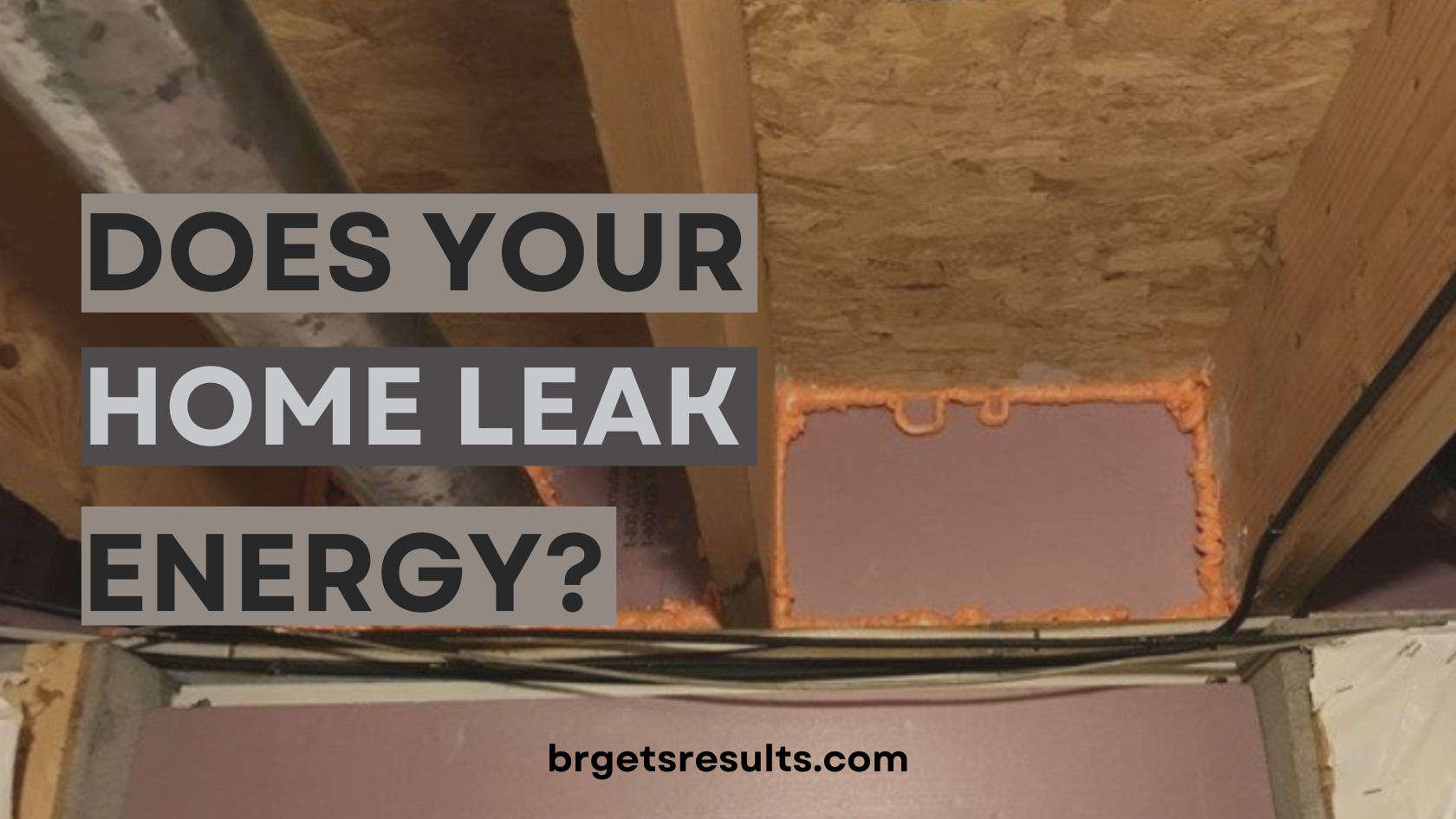
Most people would point to inadequate insulation or old single-pane windows as the likely culprits for wasted energy in their homes. They are not wrong, but they are not the only way your home leaks energy. One largely overlooked contributor to wasted energy usage in your home is air leakage. The cumulative effect of all the leaks can be catastrophic to your energy bill. Believe it or not, this is the first place to start before insulating or other activities. You’ll want to attack these opportunities first because some leaks will need to be addressed before upgrading your insulation.
Leaks will be found in many places around your home. Some common places to look are doors, windows, electrical/switch outlets, ceiling openings for HVAC registers, ceiling fans, and lights. Other potential leak points include attic stairs and the opening on the outside of the house for the AC unit tubing. In the attic, there are even more potential leak points like piping and electrical penetration points into the framing and bathroom exhaust fans.
In my attic, I found large openings for HVAC ducting that were hastily covered with a blanket of insulation. The insulation does nothing to prevent the attic air from drifting into those spaces reaching uninsulated drywall and ultimately sucking energy from your home. All these locations I listed are great places to inspect and if issues are found, they should be addressed.
Look for missing or cracked caulking inside and outside of your windows and repair any damaged caulk. If the windows are drafty, consider adding some foam to the bottom of the window sash to improve the seal. Inspect exterior doors for proper sealing. Inspect the gasket on the top and side of the doors to ensure there is no damage and is still flexible to provide a good seal. The threshold seal should also be inspected for damage and replaced as necessary. Also, the caulking on the inside and outside of the door should be inspected and repaired as necessary.
Each electrical outlet, light switch, ceiling fan fixture, and HVAC register is a potential leak point. These openings give air in your home a path to leak out. Use gaskets on the inside of the electrical overs to seal these openings. Use caulk or spray foam in ceiling fan openings to seal these locations. Bathroom exhaust fans are another potential leak point that can be caulked or spray-foamed.
If your attic stairs are like mine, they probably don’t make an air-tight closure. Also, most old drop-down stairs are not insulated. So, this is likely a location where you have significant energy loss. I attacked the leaks in my attic stairs in 3 different ways to reduce energy loss:
My attic had a plethora of issues including opening that could allow leakage. I found many pipes and electrical openings cut into the upper wall framing. If you have these, seal them off with spray foam or caulk. Recessed light fixtures and ceiling fans were other areas where ceiling drywall openings were roughly cut with significant opening for air to leak through. Consider using spray foam or caulk to seal these off as well. Bathroom exhaust fans are another potential issue. Ensure their flapper valves are functioning properly to prevent leakage when the fan is not running. Also, consider sealing any excess openings for these devices as well. Lastly, in a 2-story house, look for ductwork opening between interior walls. This was a big surprise to me, I found about 10 of these large openings roughly 2’ by 2’ with direct exposure to the attic. The builder had hastily draped some roll-type insulation over these large openings. I use foam board and spray foam to seal these areas.
I want to point out that you need to tackle these leaks in your attic first before you move on to improving the insulation. These air leaks can cause even more energy loss than deficient insulation and will be difficult to access after adding new insulation.
On a windy day, sometimes I could hear the wind noise coming from my fireplace. Most fireplaces have a flu that includes the ability to open and close. They typically do not close with a precision fit, so the opportunity for air to move through in and out of your chimney does exist here. Also, the natural principles of rising hot air compound the issue. The chimney by design is trying to pull air out of your house so you need to be able to shut it completely when not in use or else your energy use will suffer.
Insulating a chimney is a smart move for both safety and energy efficiency. If you’re unsure which insulation type to choose, I highly recommend you consult with a professional. They can guide you based on your home’s unique requirements.
I inspected my flu and noticed a gap that air was moving through and considered using some felt insulation to seal it when not in use. I plan to investigate more into insulating my chimney because I am not a chimney safety expert. I highly recommend that if you’re considering chimney insulation, consult with professionals and adhere to safety guidelines.
It is time for you to take action and plug those energy leaks! Remember, even small fixes contribute to a cozier, cost-effective home.
Stay tuned for more energy-saving tips in future blog posts!




 Erase note
 You currently have no custom folders