Sign In
Create an account and enjoy all the benefits of HAR.com!
Sign In
Sign in using social account


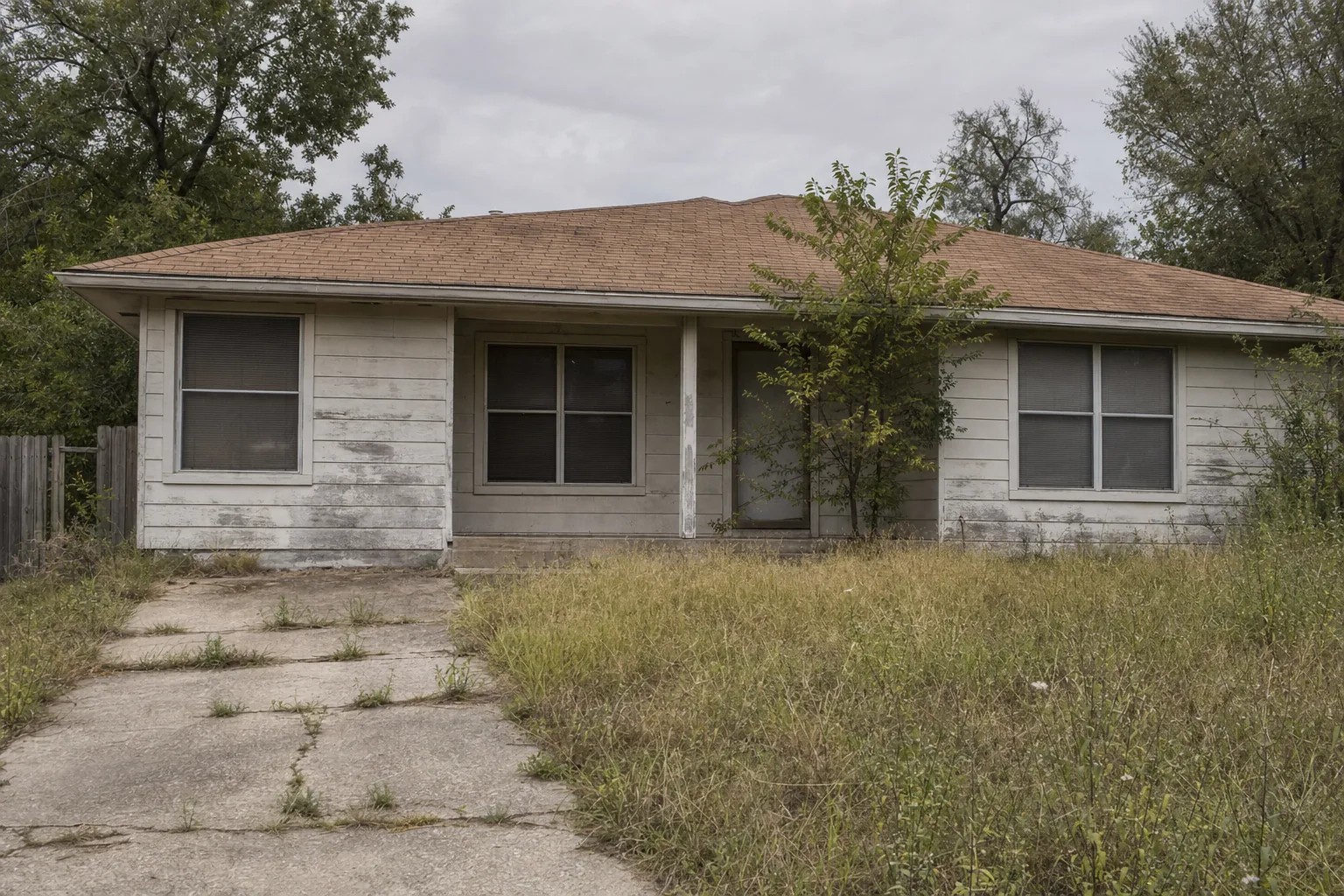
Nobody probates a will in a hurry when there is no reason to. The house sits in a parent's name, somebody keeps paying the taxes, the family agrees to deal with it later, and later turns out to be longer than anyone intended.
Texas puts a deadline on that. It is four years, it starts at the date of death, and most families find out about it in the week they decide to sell.
Section 256.003 of the Texas Estates Code is direct.
A will may not be admitted to probate after the fourth anniversary of the testator's death unless it is shown by proof that the applicant for the probate of the will was not in default in failing to present the will for probate on or before the fourth anniversary of the testator's death.
So the door is not sealed at four years. It changes shape. Before the anniversary, admitting the will is an ordinary filing. After it, you are carrying a burden of proof about your own conduct, and the question the court is asking is why you did not come sooner.
Subsection (b) adds a second consequence that is easy to miss. Letters testamentary may not be issued if a will is admitted to probate after the fourth anniversary, unless it is shown that the application for probate was filed on or before that anniversary.
Letters testamentary are what an executor acts under. So a late will can sometimes still be admitted, while the authority to administer the estate under it is gone. Those are two different losses and they do not arrive together.
The statute does not define it, and that is the point. It is a factual question put to a court about the applicant.
In practice it means the applicant has to account for the delay with something better than nobody got around to it. Not knowing the will existed, not knowing the law required anything, being a minor at the time, having been actively misled about the estate: these are the shapes of explanation that get examined. Whether any of them carries in a particular case is for a probate lawyer and a judge, not for an article.
What is reliably true is that it stops being paperwork and becomes a contested question with evidence attached, and that costs time and money that filing on time would not have cost.
Subsection (c) is where this reaches property, and it reads against the people who waited.
A person who for value, in good faith, and without knowledge of the existence of a will purchases property from a decedent's heirs after the fourth anniversary of the decedent's death is protected.
Follow what that means. After four years, the law begins to treat the decedent's heirs as the people with the property, for the benefit of a buyer who did not know a will existed. The will may still say the house goes to one child. A buyer who bought in good faith from the heirs, after the anniversary, without knowledge of the will, is not unwound.
For a family where the will and the heirship do not produce the same answer, and that is exactly the family that most needs the will, this is the provision that turns a delay into a loss.
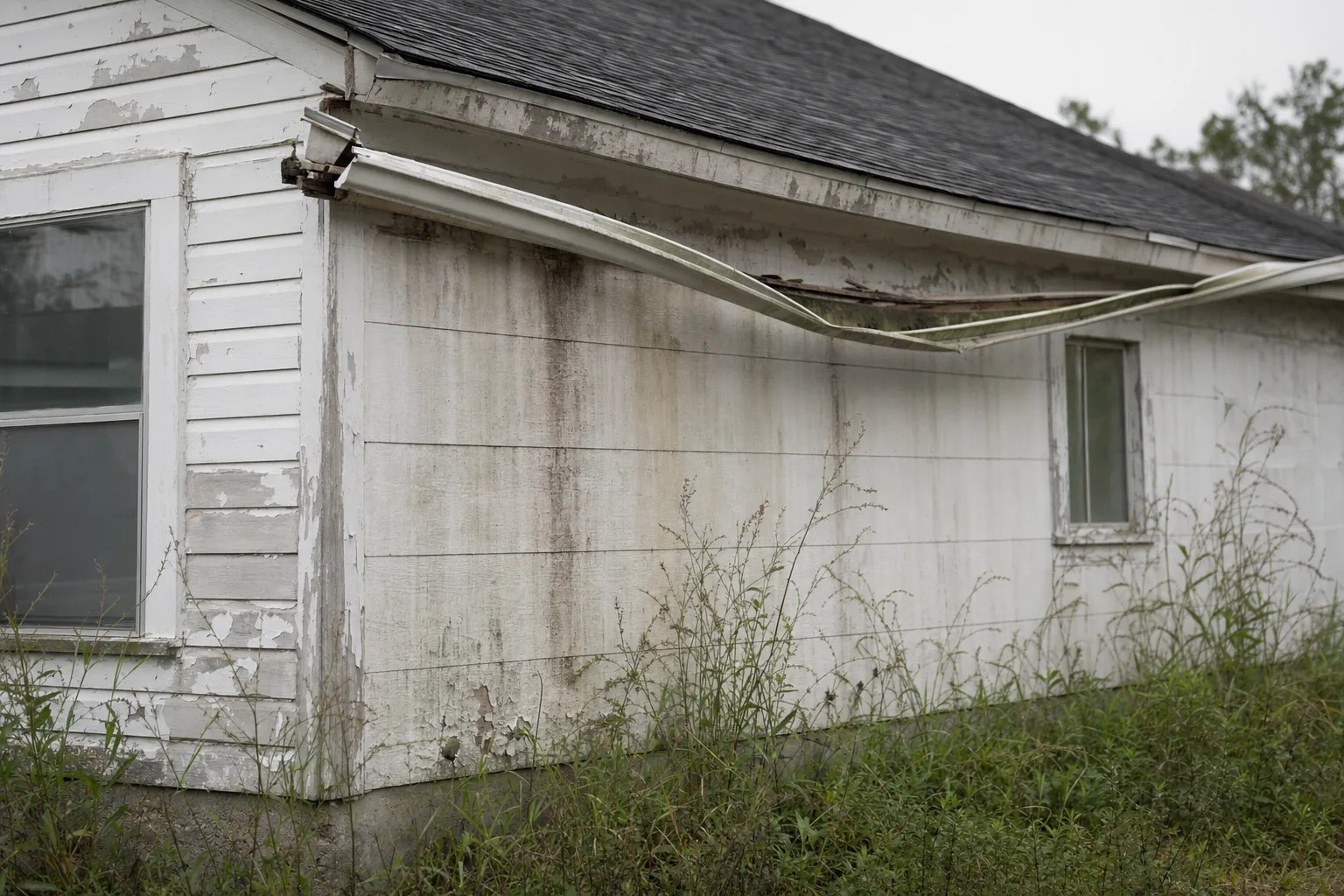 Why the house is always the asset that gets caught
A bank account gets closed. Vehicles get transferred. The house is the thing that sits, because a house does not need anybody's permission to keep existing.
The practical result is that four years later the estate's only real problem is the one asset nobody can sell. The title is in a dead person's name. The person who wants to sell cannot prove they are entitled to. A buyer's lender will not fund into that, and a title company will not insure it without the gap being closed.
Meanwhile the holding costs are real and continuous. Property taxes do not pause. Insurance on an unoccupied house gets more expensive and harder to place, and some policies exclude exactly the perils a vacant house is most likely to suffer.
Find the date of death and write down the fourth anniversary. That single date governs everything that follows.
Find the original will. A copy is a different and harder proceeding.
If the anniversary has not passed, treat the remaining time as the binding constraint and get the application filed, even if the family has not agreed about what happens to the house afterward. Filing preserves the position. Agreement can come later.
If the anniversary has passed, stop guessing and get a probate lawyer, because the question is now whether the applicant was in default, and that is a question with evidence attached.
Either way, pull the deed records in the county where the house sits and see what is actually recorded against it, because that is what a buyer's title company will see.
Most of the time the will gets probated, the house moves into the right names, and it sells in the ordinary way. Where that is available it is plainly the better path.
The case worth naming is the other one. The anniversary passed years ago. The family is split over what the parent intended. The house has been standing empty, the roof has gone, the taxes have accrued, and the only people who can sign anything are the heirs rather than the beneficiary the will named. A retail sale needs a lender, and a lender needs title that a title company will insure.
At that point the honest comparison is between what a direct sale nets today and what another two years of taxes, insurance and deterioration cost while the estate is untangled, not between an offer and what the house would have been worth if this had been handled in year one. If that is the comparison in front of you, here is who buys Texas houses that a lender will not lend on.
I have written separately about the route that moves a house without an executor when the will is probated in time.
I am a licensed Texas real estate agent and I also buy houses in this state for cash, including inherited ones with title problems, so treat the paragraph about selling as coming from someone with a commercial interest in it. Nothing here is legal advice, I am not a lawyer, and a missed statutory deadline is the clearest possible case for talking to one rather than to me.
The four-year limit, the restriction on letters testamentary and the protection for a good-faith purchaser from the heirs are all from Section 256.003 of the Texas Estates Code. The statute does not define what counts as not being in default, and I have not supplied a definition, because that is decided case by case by a court on the facts.


 Erase note
 You currently have no custom folders