Sign In
Create an account and enjoy all the benefits of HAR.com!
Sign In
Sign in using social account


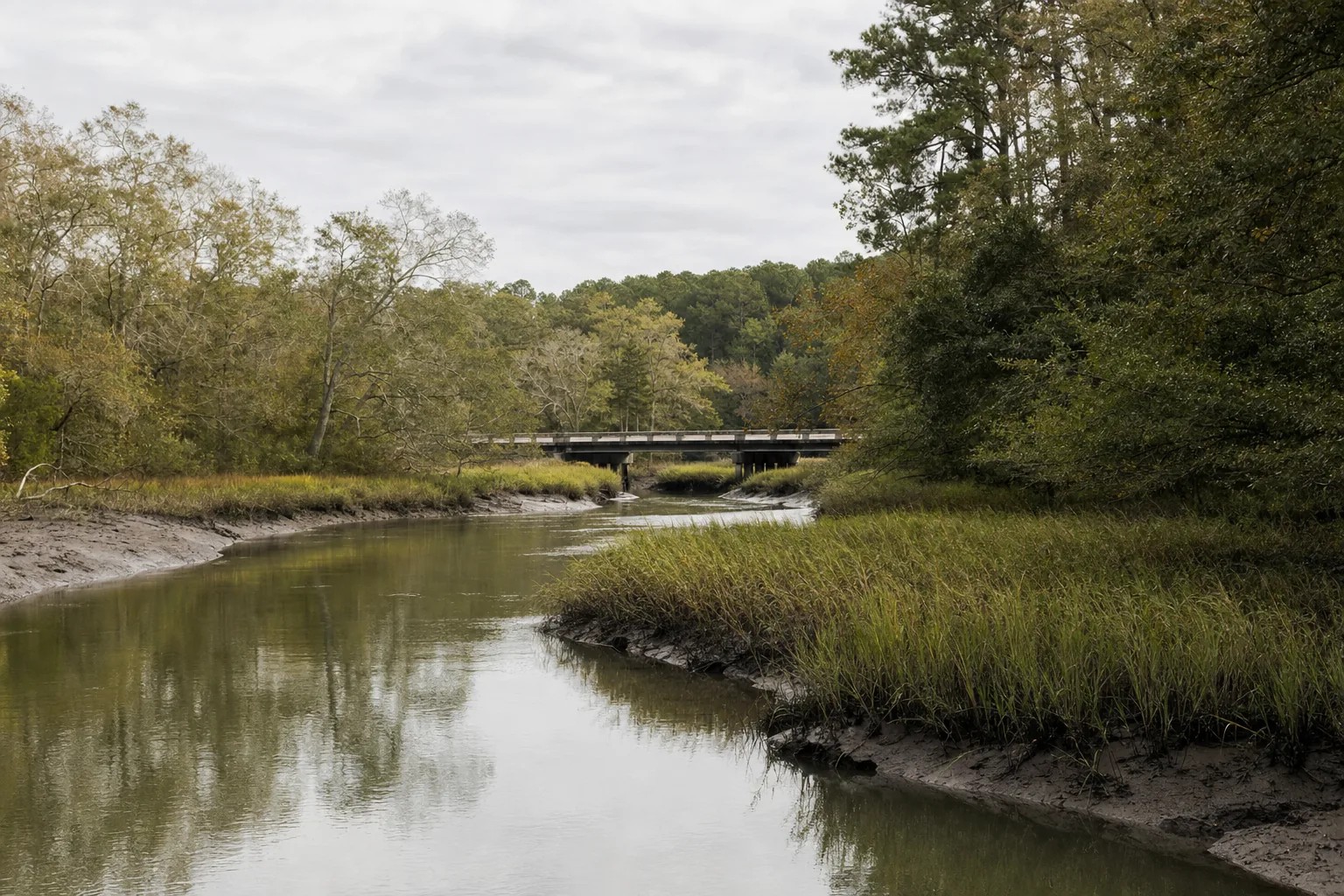
Cedar Bayou runs through Baytown, and on a map it looks like a drainage feature. It is also the county line. Portions of the city east of Cedar Bayou lie in Chambers County. The rest is Harris.
One city of roughly eighty-four thousand people, one mayor, one police department, one set of ordinances, and two county governments behind it. For most of life nobody notices. When a house is damaged, or when an estate has to be filed, the bayou starts making decisions.
The city governs your permit and your building standard inside the city limits, and that is the same on both sides of the water.
The county governs a different list, and it is the list that catches people. Your deed records are filed in the county where the land sits. Your appraisal district account, and therefore the structure value used in any damage calculation, belongs to that county. Probate documents and affidavits of heirship have to be recorded there and nowhere else.
Record an heirship affidavit in Harris for land that sits in Chambers and you have given notice of nothing. The chain of title stays broken and the title company finds it during the commitment, which is reliably after everyone has arranged their lives around a closing date.
Owners here sometimes assume the coastal rules that govern Galveston and the bay-front cities reach them too. On the evidence, they do not.
The Texas Department of Insurance runs its windstorm inspection programme over a designated catastrophe area: 14 coastal counties, plus a short list of named places in Harris County. Harris County itself is not one of the fourteen, and the named exceptions are Morgans Point, La Porte, Shoreacres, Seabrook, and Pasadena east of State Highway 146. Baytown is not among them.
Chambers County is one of the fourteen, and the department's Chambers listing names Anahuac, Beach City, Cove, Mont Belvieu, Oak Island, Winnie and others. Baytown does not appear there either.
So the certificate regime that can stop a sale in La Porte is not the thing to worry about here. That is a genuinely useful negative, because it means an owner can stop chasing a question that does not apply and spend the attention on the ones that do. I wrote up the version of this that does bite, a few miles down the shoreline, in the five places in Harris County the coastal rules actually reach.
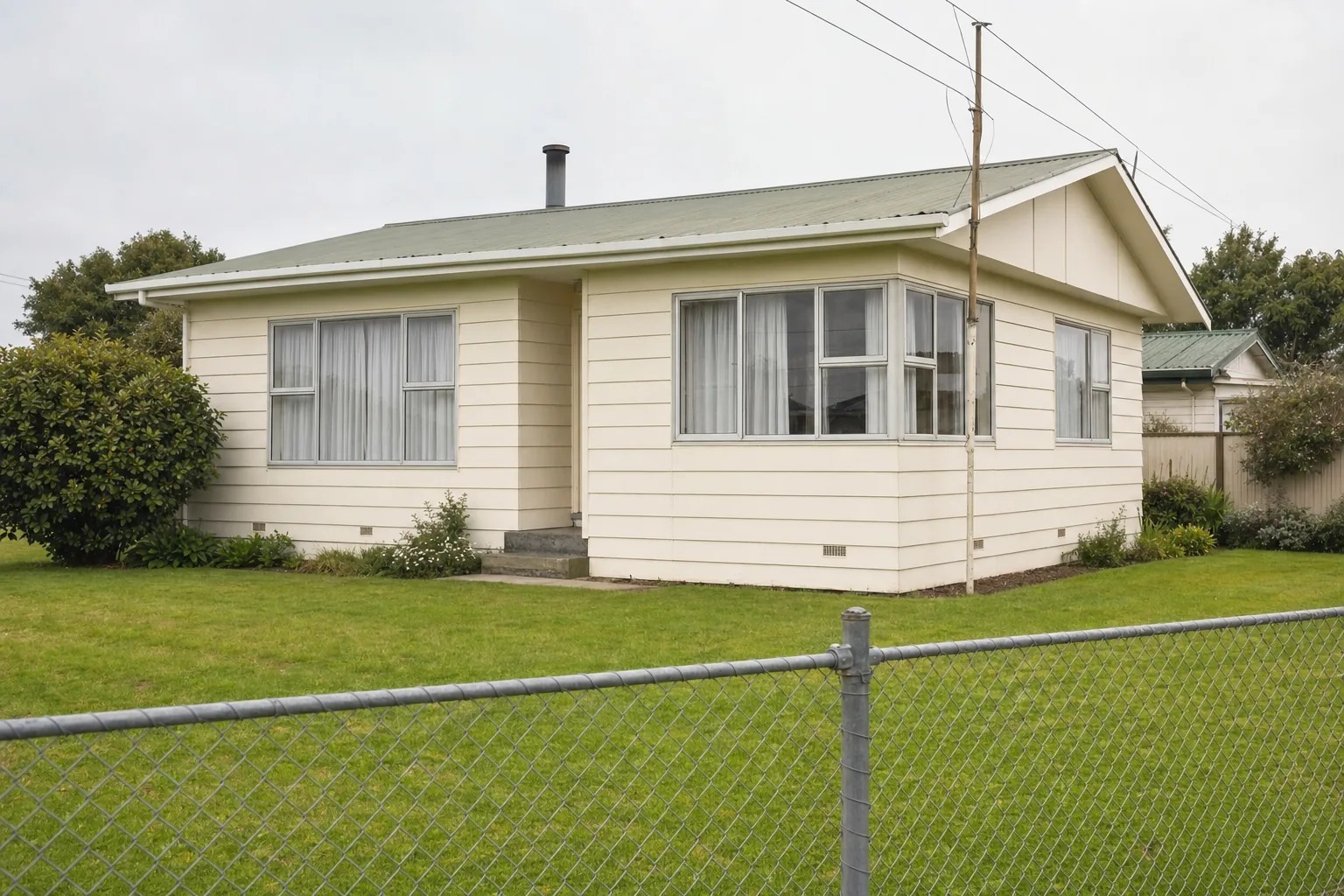 The federal floor, which applies everywhere
Section 16.315 of the Texas Water Code says all political subdivisions are authorized to take all necessary and reasonable actions that are not less stringent than the requirements and criteria of the National Flood Insurance Program.
A floor and not a ceiling. No jurisdiction may go beneath the federal minimum and every one may go above, by whatever margin it chooses. What Baytown has adopted is a question to put to Baytown, in writing, about your address.
The substantial damage test asks whether restoring the structure to its before-damaged condition would cost half or more of the structure's market value immediately before the event that caused the damage.
Two details do most of the work. The value is measured before the damage rather than in the house's current condition, so a gutted house does not get a smaller denominator. And it excludes land value.
That exclusion matters here in an unusual direction. This is an older housing stock on ordinary lots, so the structure often carries most of the worth rather than a minority of it. Owners who have read about the land-value exclusion in other parts of the metro sometimes assume it will rescue their number, and in Baytown it frequently does not.
This is a refining and petrochemical town and a buyer will raise it whether or not the seller does. There is nothing to be gained by being vague about something visible from the road.
Precision is what helps. Say what you have experienced at the property, what you have been told in writing, and what has been done to the house. Do not speculate about anyone's operations and do not repeat neighbourhood rumour as established fact. A specific, bounded answer closes the subject. A vague one hands the buyer a blank they will fill in badly.
Work out which county your land sits in, which for an address near the bayou is worth confirming rather than assuming. Ask the city, in writing, for the permit history and whether a substantial damage determination has been made. Pull the structure's improvement value from the correct county's appraisal district, not the total appraised value. Confirm any estate filing went into the right county's records. Then get a full written repair estimate and set it against the structure value honestly.
Do all of that before hiring anyone and before deciding to sell. Plenty of owners here find the repair fundable and stay, and where the numbers allow it that is the better outcome.
The failure mode is mundane and expensive. An estate document goes into the wrong county. A determination surfaces late. The repair estimate lands above half the structure value because the land was never going to rescue it. The insurance money is partly spent, the house has been sitting open, and it cannot be listed in its current condition without disclosing all of it. A retail buyer needs a lender, and a lender needs a habitable house.
At that point the honest comparison is between what an as-is sale nets and what finishing the work actually costs, not between an offer and what the house was worth before any of it happened. If that is the comparison in front of you, we buy houses baytown tx sets out how an offer on a damaged house is calculated.
I am a licensed Texas real estate agent and I also buy houses in this area for cash, damaged ones included, so treat the paragraph about selling as coming from someone with a commercial interest in it. Nothing here is legal advice, and determinations are made by the city with jurisdiction over the address rather than by me.
Baytown's position across Harris and Chambers counties, with the portions east of Cedar Bayou in Chambers, and the 2020 census population of 83,701, are matters of public record. The designated catastrophe area, the fourteen counties, the five named Harris County places and the Chambers County listing come from the Texas Department of Insurance's own published material; I checked both county listings and Baytown appears in neither. The federal floor is quoted from Section 16.315 of the Texas Water Code.


 Erase note
 You currently have no custom folders