Sign In
Create an account and enjoy all the benefits of HAR.com!
Sign In
Sign in using social account



Sugar Land is a home-rule city in Fort Bend County with a functioning city government, so owners reasonably assume the city answers questions about the property. On drainage and flood protection, over most of the city, it does not.
The City of Sugar Land's own description is plain about it. There are nine levee improvement districts that operate over the majority of Sugar Land. They are independent entities governed by a board of directors who are appointed by the Commissioners Court of Fort Bend County or are elected by the residents.
Independent entities. Not city departments, not city staff, not answerable to the city council.
The city does say what happens in the remainder. For areas of the city not covered by a levee improvement district, the City of Sugar Land represents all functions related to stormwater management and floodplain.
So the answer to "who handles this" depends on which side of a district boundary your house sits, and the majority of Sugar Land addresses are on the district side.
The failure is predictable. A house takes water, or a buyer asks a flooding question, and the owner calls the city. The city is a real city with a real phone number and a real floodplain function, so the call feels correct.
If the address sits inside one of the nine districts, the city is not the entity that operates or maintains the levee protecting it, and the records the owner actually needs sit with a board they have never heard of. Weeks disappear in the gap.
The fix is to establish which district has the address before making any other call. That is a question the city will answer, and it is the right first question rather than the second.
Here is where this stops being an organizational curiosity and becomes a seller's legal obligation.
A levee improvement district is a political subdivision with taxing authority, and Section 49.452 of the Texas Water Code is direct about what that means at a sale. A person who proposes to sell or convey real property located in a district must give to the purchaser the written notice as provided by this section.
The timing is specified, not left to convention. The notice required by this section shall be given to the prospective purchaser prior to execution of a binding contract of sale and purchase, either separately or as an addendum or paragraph of a purchase contract.
Before the contract is signed. Not at the title company, not in the closing stack.
The remedy for skipping it is the part worth reading twice. A purchaser of property covered by the section, where the sale was not made in compliance with it, may sue for damages in the amount of all costs relative to the purchase of the property plus interest and reasonable attorney's fees. There is an alternative capped at five thousand dollars plus reasonable attorney's fees. The purchaser may not recover under both, and the claim has to be brought within ninety days of receiving the first district tax notice or within four years of the sale, whichever comes first.
A seller who treats the notice as paperwork is taking on an open-ended exposure to avoid a form. The same statute applies to utility districts, which I went through for an unincorporated community with no city hall at all.
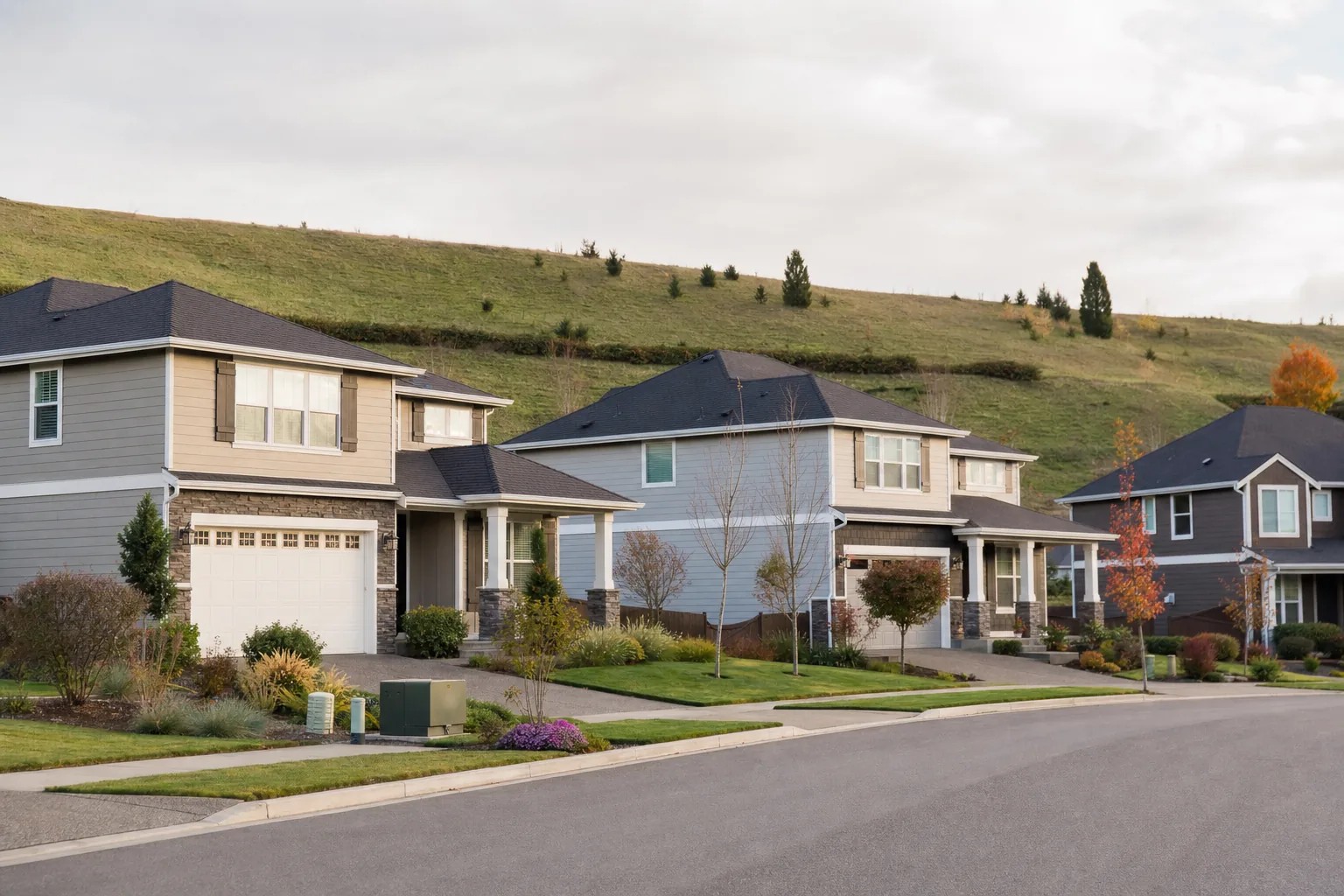 Behind a levee is not the same as out of the floodplain
This is the substantive point underneath the procedural one, and it is where owners most often carry a false sense of the property.
Levee protection and floodplain designation are different things determined by different processes. A levee protects against the event it was designed and maintained to handle. Whether the land behind it is mapped as inside or outside a flood hazard area is a separate determination, and it can change when a levee's accreditation status changes, which is a thing that happens without the homeowner doing anything at all.
What follows from that matters at a sale. Flood insurance requirements can change. A mapping change can alter what a lender requires of a buyer. And a buyer's own diligence is increasingly likely to surface the district, the levee and its status whether or not the seller raises them.
The city directs residents to the individual district for operational information, which is the honest answer, and it is also the reason a seller needs the district's name before they need anything else.
Sugar Land is in Fort Bend County, and for owners who have dealt with property elsewhere in the metro that changes the mechanics.
Deed records are filed in Fort Bend County. The structure's improvement value comes from the Fort Bend Central Appraisal District, not Harris. If an estate is involved, the probate documents or affidavit of heirship have to be recorded in Fort Bend, and a filing made in the wrong county's records gives notice of nothing and will be caught during the title commitment.
None of this is difficult. All of it is expensive to get wrong late.
If the house is damaged, the substantial damage framework applies here as everywhere in the state, on top of whatever standard the governing jurisdiction has adopted.
Section 16.315 of the Texas Water Code says all political subdivisions are authorized to take all necessary and reasonable actions that are not less stringent than the requirements and criteria of the National Flood Insurance Program. That is a floor and not a ceiling. No jurisdiction may go below it, and each is free to go above, which is why standards vary sharply across short distances in this metro.
The test asks whether restoring the structure to its before-damaged condition would cost half or more of the structure's market value immediately before the event. Two details do most of the work. The value is measured before the damage, not in the house's current state, so a gutted condition does not lower the denominator. And it excludes land value.
In Sugar Land, where land carries a substantial share of what a property is worth, removing it from the denominator can drop the figure the 50 percent is measured against well below what an owner assumed, and a repair that looked safely under the line clears it.
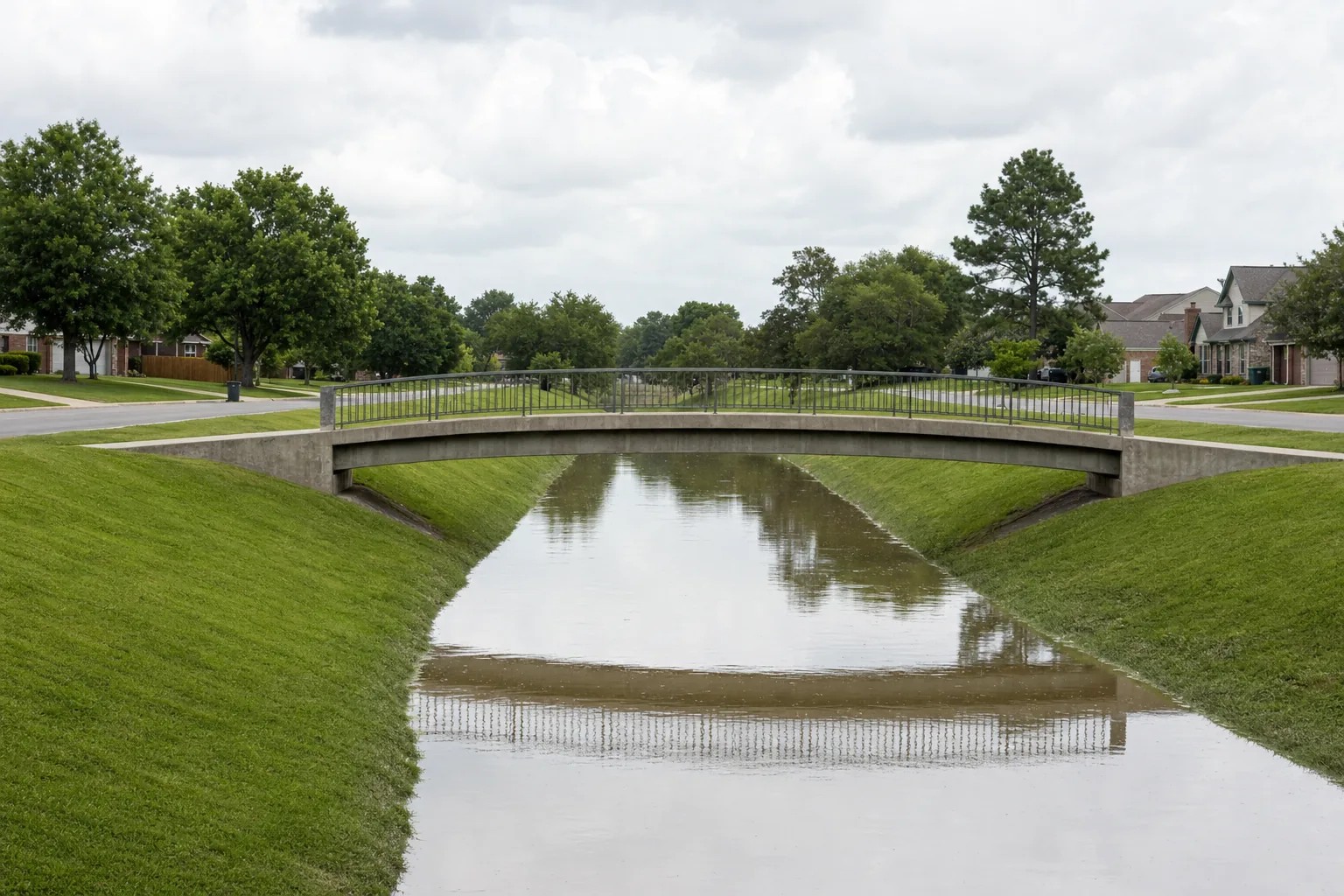 What to do first, in order
Ask the city which levee improvement district, if any, has the address, and get it in writing. Then go to that district for the levee's status and its notice form, and obtain the form before you sign anything with a buyer. Pull the structure's improvement value from the Fort Bend Central Appraisal District. Confirm your deed and any estate filings are recorded in Fort Bend. Then get a written repair estimate and set it against the structure value honestly.
Do that before hiring a contractor and before deciding to sell. Many owners in this position repair and stay, and where the numbers allow it that is usually the better result.
The pattern worth recognizing is specific rather than general. Weeks go to the wrong office because the city seemed like the obvious call. The district notice was never prepared, and a buyer's attorney raises it. A mapping or accreditation question surfaces that the owner did not know existed. Meanwhile the house has been sitting damaged, the insurance settlement has been partly spent, and the repair now carries a requirement nobody budgeted for. The house cannot be listed in its current condition without disclosing all of it, and a retail buyer needs a lender, and a lender needs a habitable house.
At that point the honest comparison is between what an as-is sale nets and what finishing the repair actually costs, not between an offer and what the house was worth before any of it happened. If that is the comparison you are making, you can sell my house fast sugar land tx and see how an offer on a damaged or district-encumbered house is calculated.
I am a licensed Texas real estate agent and I also buy houses in this area for cash, damaged ones included, so treat the paragraph about selling as coming from someone with a commercial interest in it. Nothing here is legal advice, and a disclosure obligation carrying a statutory damages remedy is worth taking to a lawyer rather than to me.
The nine levee improvement districts, their governance by appointed or elected boards, and the city's role in areas not covered by a district are quoted from the City of Sugar Land's own published page on levee improvement districts. The notice requirement, its timing and the purchaser's remedies are quoted from Section 49.452 of the Texas Water Code, and the federal floor from Section 16.315. I have not named a district for any particular address or stated any levee's current accreditation status, because both change and an unverified answer would be worse than none. Ask the city, then ask the district.


 Erase note
 You currently have no custom folders