Sign In
Create an account and enjoy all the benefits of HAR.com!
Sign In
Sign in using social account


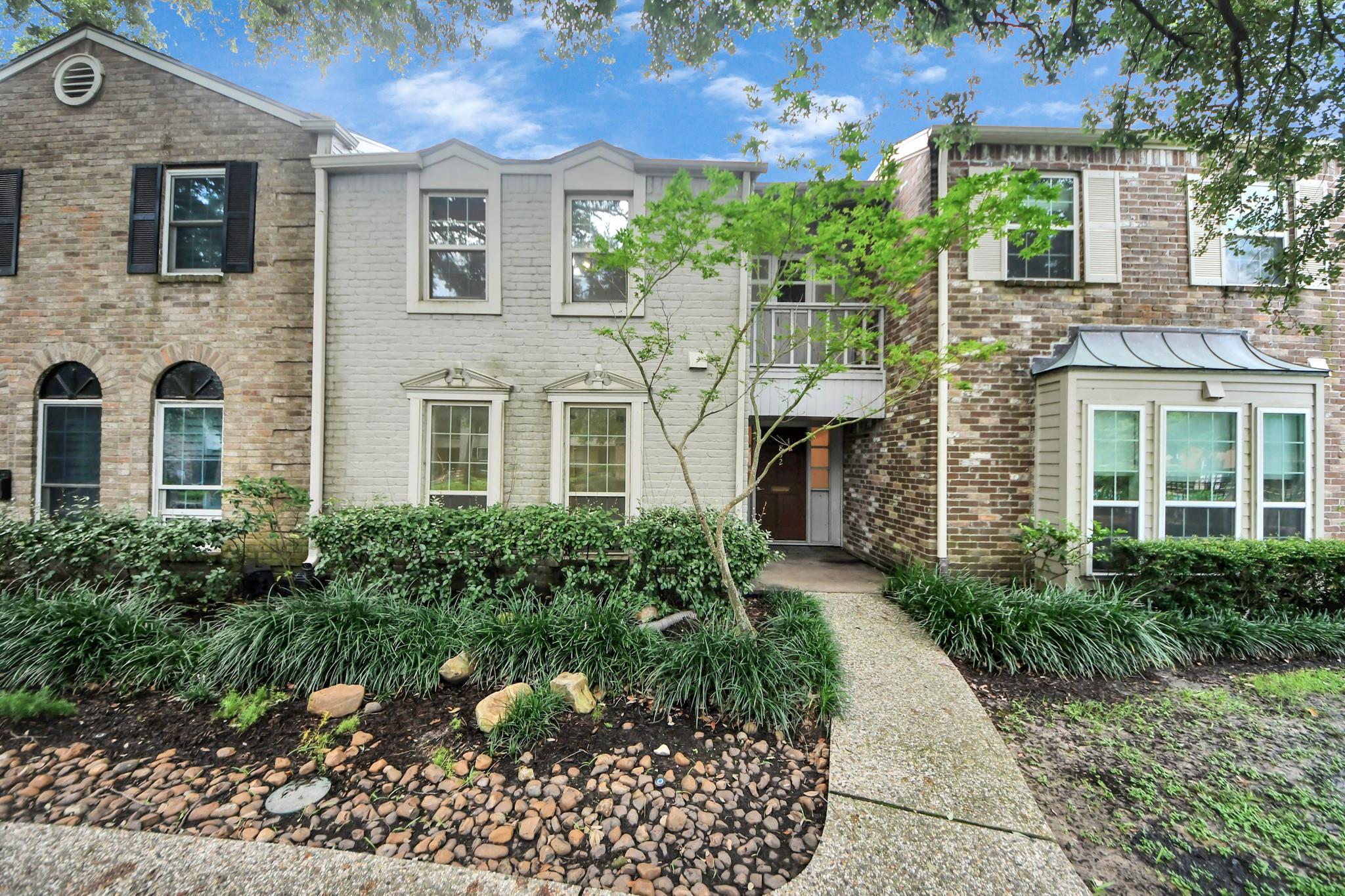
I was out showing homes recently with clients who are also planning to sell their house this spring. We’re walking through a property they might buy, talking timing, talking strategy, talking about what it would look like to get their home listed while the market is actually paying attention. At the end of the showing, they casually drop this line.
“Oh, by the way, a friend of ours is going to buy our house.”
That sentence sounds great. It always does. Until you start asking questions. So I did because I'm me and that's what I do.
Are they pre-approved?
“Yes.”
Have you seen the pre-approval letter?
“No.”
Do they need to sell a house first?
“Yes.”
Where is that house?
They give me the address. It’s 400K home in a starter neighborhood. And this supposed buyer is planning to turn around and buy their house… at 1.7M? Their home that they need to sell isn't even listed on the market. Let that marinate for a second.That’s not impossible, but it’s extremely unlikely. Especially when the buyer needs the cash from their current home sale to even attempt the next purchase. So we dig deeper and I inquire about the purchase price discrepancy. Did they win the lottery? Get a big promotion? People don't usually make that kind of jump without some sort of like altering event.
“Well, their parent is going to co-sign.”
Okay. What does the parent do?
“I think they’re a contractor. Or maybe a builder. Not totally sure.”
And this, right here, is where sellers get into trouble, not to mention this cosigner is self employed! Because what they actually had was not a buyer. They had a story. A hopeful one. A friendly one. But not a qualified buyer with realistic intentions of buying their home. Here's what a real qualified buyer with reality based intentions looks like:
1.The have a pre-approval letter from a reputable lender and proof of funds from a real bank or financial institution for the down payment and earnest money.
2. If they are really serious then they have an APPROVAL already which means a lender have already vetted their income, accounts and other documentation. No financing contingency needed here!
3. If they have a co-signer (and I am snickering here), their consigner or daddy needs to also be vetted by the bank or lender and be approved. It helps if they have a lot of cash, other equity such as property in excess of the borrowed amount and are NOT self employed and definitely current and up to date on their taxes. This means they have already filed their 2025 taxes.
4. A capable buyer doesn’t require you hold your house off the market during the most important selling window of the year unless there is serious, verified skin in the game. I'm talking elevated earnest money and no contingency to sell another house first...especially when it's not even listed for sale. (More snickering)
If you accept a contract with a financing contingency and a sale-of-home contingency, that buyer can walk away if their financing falls apart or their home doesn’t sell. And in many cases, they get their earnest money back.Meanwhile, your house sat.You missed showings.You missed momentum.You missed other buyers who were ready, willing, and actually able.And spring in Houston is not forgiving. Summer is brutal. Serious buyers start early and pay more. Late February and March is when the market wakes up.Right after spring break it gets louder.When school lets out, it cracks open again.After that, it softens. Every year. Without fail..You do not need to burn a friendship to protect your financial future.
I gently told my clients that I see these kind of friendly offers to buy a friends homes and it rarely happens. Sometimes you can even burn a friendship or family relationship. Yuck There are smarter tools you can use to help navigate this One of them is a named exclusion. You put that buyer’s name on the listing. They have a short defined amount of time to make the sell happen. If they purchase the home, you don’t owe commission on that sale. They get first awareness. They get goodwill. But your house still goes live. You still get exposure. You still let the market do its job.Another is a first right of refusal. You go ahead and put you home on the market and when you get a buyer, you give them a short defined amount of time to meet or hear that offer to buy. They either get fully approved, put their house under contract, line up real financing, or they step aside.
These tools force clarity, urgency.and it separates wishful thinking from actual ability.because here’s the honest truth: Good intentions don’t close homes.Stories don’t fund loans.And verbal assurances don’t protect sellers.This particular client happens to be an attorney. Brilliant. Sharp. Highly capable in his lane but he doesn't have 20 years in the real estate trenches like I do. Yes he can fill out a contract but does he fully understand the ramifications? There are blindspots. This is exactly why sellers need someone who has seen these situations play out dozens of times, not someone learning them for the first time while their house is quietly losing leverage.
If you’re thinking about selling this spring and a friend or neighbors tells you they want to buy your home, ask questions. Ask for proof. Understand contingencies. And make sure you are not sacrificing the strongest part of the market for a deal that exists mostly on on paper and optimism. The market doesn’t wait.Spring doesn’t last forever.And your equity deserves more than crossed fingers.
If you want help sorting out what’s real, what’s risky, and what’s just noise, that’s literally what I do.
And trust me. This story is not as rare as you think




 Erase note
 You currently have no custom folders