Sign In
Create an account and enjoy all the benefits of HAR.com!
Sign In
Sign in using social account


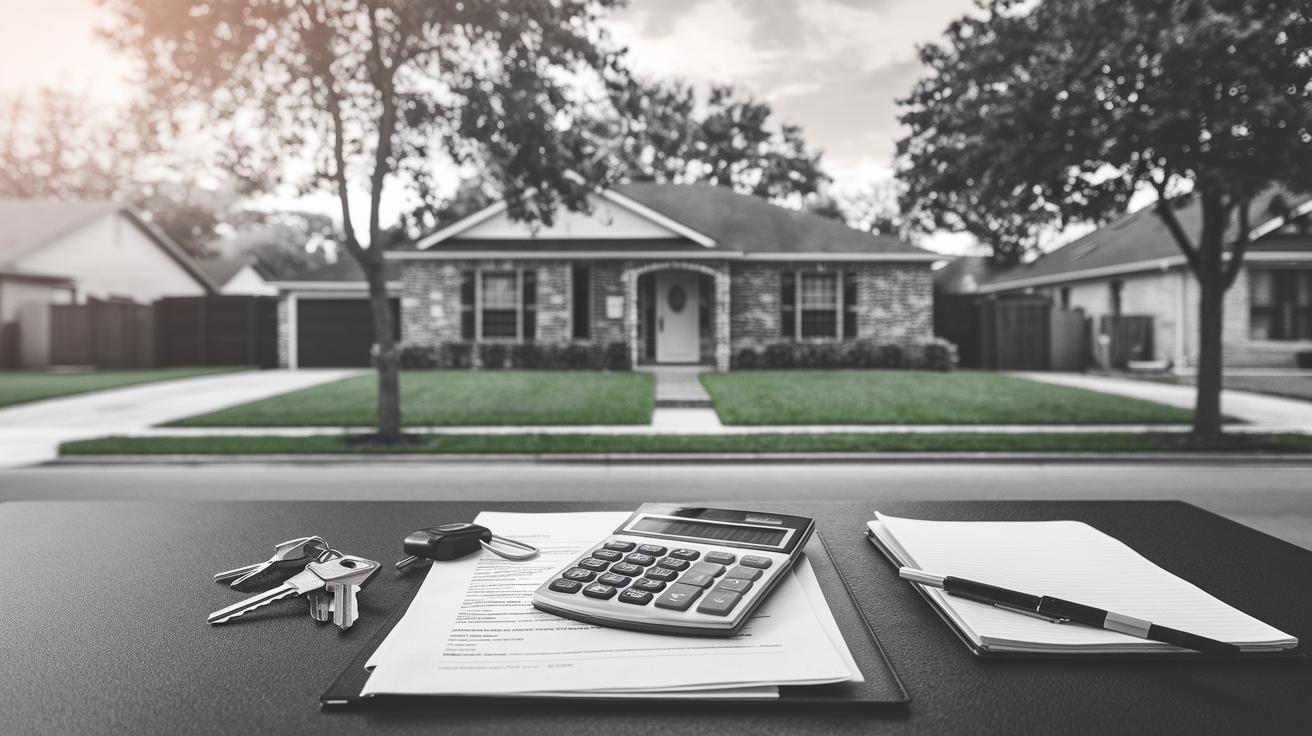
Buying a home in Houston can feel simple at first.
The homes are larger than what many buyers are used to in Hong Kong. The price per square foot may look more reasonable. There is more space, more parking, more yard, and more choice.
But the real decision is not just the purchase price.
In Texas, a home purchase should include property tax, insurance, HOA fees, commute, school zoning, resale demand, rental potential, flood risk, and the condition of the home. The monthly cost matters. The exit plan matters too.
This guide is written for Houston buyers, sellers, investors, and relocation families who want a clearer way to think through real estate decisions. The goal is simple: clearer numbers, local context, and less guesswork.
I’m Alfie Ip, a Cantonese-speaking REALTOR® in Houston. I was born and raised in Hong Kong, and Houston is now home. Before real estate, I worked in Hong Kong banking, including loan review, investment portfolios, and client financial planning-related work. I also have experience operating businesses across different markets.
That background affects how I look at property.
I usually start with downside risk before upside potential.
Not because upside is unimportant. But because a home is a large decision. For many families, it is tied to school planning, relocation timing, cash flow, lifestyle, and long-term financial stability.
This article is for general education only. It is not legal, tax, lending, insurance, or investment advice. For those questions, buyers should speak with the right licensed professional.
Many buyers coming from Hong Kong or other high-cost cities naturally compare Houston home prices with what they are used to.
That comparison can be useful, but only to a point.
In Houston, the purchase price is only one part of the cost. You also need to consider:
A lower-priced home is not always the lower-risk home.
For example, one property may have a lower purchase price but a higher tax rate, older roof, higher insurance cost, or weaker resale demand. Another property may cost more upfront but have a location, condition, and demand profile that makes more sense for the buyer’s long-term plan.
The question is not only, “Can I buy this home?”
A more useful question is, “Can I comfortably hold this home?”
Texas does not have a state personal income tax, but property tax is a major part of homeownership.
For many buyers new to Houston, this is one of the biggest adjustments. Property tax can vary depending on the city, school district, county, MUD district, and other local taxing entities.
Two homes with similar purchase prices can have different annual tax bills.
Before making an offer, it helps to review:
Texas has a residence homestead exemption, but eligibility, benefit amount, and application rules depend on the property and owner’s situation. Buyers should verify details with the county appraisal district, a CPA, or another tax professional.
From a home search perspective, property tax should be part of the first conversation, not something reviewed at the end.
Houston is spread out. A home can look close on the map but feel very different in daily life.
Before choosing an area, it helps to think through your actual routine.
Where will you work? Where will the children go to school? How often will you drive to Chinatown, Katy Asian Town, Cypress, Sugar Land, the Medical Center, Downtown, or the Energy Corridor?
Buyers should compare areas using objective criteria, such as:
Katy, Cypress, Sugar Land, West Houston, and the Houston Chinatown / Asiatown area are common comparison points for many buyers because they offer different commute patterns, housing options, price ranges, and lifestyle tradeoffs.
The question is not which area is right for everyone.
The question is which area fits your budget, routine, and long-term plan.
For many families, school zoning is a major part of the Houston home search.
That makes sense. School location, commute, after-school activities, and long-term education planning all affect daily life.
But school ratings should not be the only factor.
School zoning can change. Ratings can change. A home that works for one family may not work for another. Buyers should verify school zoning directly with the school district and review commute, budget, property condition, tax rate, and resale demand at the same time.
A balanced decision usually works better than chasing one number.
Many Houston-area homes are in communities with homeowners associations, often called HOAs.
An HOA may help maintain neighborhood standards, common areas, amenities, and deed restrictions. But it also comes with rules and fees.
Before buying, review the HOA documents carefully.
Pay attention to:
For investors, HOA rental rules are especially important. A property may look reasonable on paper, but restrictions can affect leasing flexibility.
Houston is a market where flood risk needs to be reviewed carefully.
It is not enough to look at the home itself. Buyers should also understand elevation, drainage, flood history, FEMA flood zone, insurance requirements, and estimated insurance cost.
Useful questions include:
Flood risk does not automatically mean a home should not be purchased. But it should be part of the cost and risk review before making a decision.
Foreign buyers and newcomers should confirm identity, funding, lending, and legal requirements before going too far into the home search.
Texas has added restrictions on certain foreign buyers, foreign entities, and related real estate transactions. Whether a buyer can purchase Texas real property may depend on nationality, residency, visa or immigration status, source of funds, transaction structure, and intended property use.
This should not be guessed.
If you are a foreign buyer, recent arrival, or using overseas funds or an overseas company structure, speak with a real estate attorney, title company, lender, or CPA before making an offer.
Buyers may need to prepare:
Lender requirements vary. Legal, tax, immigration, and lending questions should be handled by the right professional. A REALTOR® can help coordinate the home search and transaction timeline, but should not replace legal, tax, or lending advice.
Houston can offer real estate investment opportunities, but not every property is a suitable investment.
Before buying, investors should review rental demand, property tax, insurance, repair risk, HOA rules, vacancy assumptions, and resale demand.
A simple rent estimate is not enough.
It helps to ask:
A rental property should be reviewed with both income and exit in mind.
A good real estate decision should feel clear before it feels exciting.
Clear means knowing the numbers, understanding the area, reviewing the risks, and making sure the home fits your actual life.
For some clients, buying now makes sense.
For others, it may be better to rent first, study the neighborhoods, build U.S. credit, or wait until work and school plans are clearer.
A large decision does not need to be rushed. A home can look attractive and still not be the right fit right now.
I work with buyers, sellers, investors, and relocation families in Houston, Katy, Cypress, Sugar Land, and nearby areas.
Many clients want someone who can explain the process in English or Cantonese, review the numbers calmly, and help them understand what they are really buying.
My approach is simple: protect the downside before chasing the upside.
If you are planning a move, comparing Houston neighborhoods, buying your first Texas home, or reviewing an investment property, we can start with a simple consultation. We can look at the numbers, location, and risks first, then decide what makes sense next.
Some foreign buyers can still purchase property in Houston, but Texas has restrictions on certain foreign buyers, foreign entities, and related transactions. Eligibility may depend on residency, nationality, source of funds, property use, and transaction structure. Buyers should confirm with an attorney, title company, lender, or CPA before making an offer.
It may be possible, depending on the lender and loan program. Some lenders work with foreign buyers or newcomers, but requirements vary. Buyers may need a larger down payment, proof of funds, overseas bank documents, or alternative credit review. It is better to speak with a lender before touring homes seriously.
Yes. Texas does not have a state personal income tax, but property tax is a major homeownership cost. Tax rates can vary by county, city, school district, MUD district, and other local taxing entities. Buyers should include annual property tax and possible future changes in their budget before buying.
Both should be reviewed together. School zoning matters, but commute, budget, home condition, property tax, insurance, HOA rules, and resale demand also affect long-term fit. School zoning can also change, so buyers should verify directly with the school district before making a decision.
An investment property should not be judged by rent alone. Property tax, insurance, HOA rules, maintenance cost, vacancy assumptions, tenant demand, and resale potential all matter. A careful review starts with downside risk, then looks at upside potential.
An HOA is a homeowners association. It may manage community rules, amenities, common areas, and deed restrictions. Before buying, review HOA fees, rental rules, parking restrictions, exterior change rules, short-term rental restrictions, and possible assessments. These rules can affect both daily life and investment use.
If you are comparing Houston areas or planning a move from Hong Kong or another city, start by reviewing the budget, monthly cost, commute, school needs, taxes, insurance, and risk factors.
You can contact Alfie Ip, REALTOR®, CGP Realty Group at eXp Realty, for a Cantonese or English consultation. The goal is not to rush the purchase. The goal is to understand which choice fits your situation.


You can also add this home to a folder:
 You currently have no custom folders



 Erase note