Sign In
Create an account and enjoy all the benefits of HAR.com!
Sign In
Sign in using social account


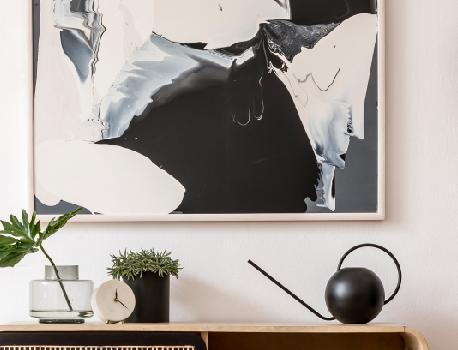
Have you ever walked into a home and instantly felt like it was the one? This magical feeling often doesn’t come by accident; it results from home staging—a powerful technique that transforms properties into irresistible homes. Stepping into a house where every corner feels inviting and every room tells a story results from effective staging. Home staging strategically incorporates artwork and decorative accessories to enhance a property's visual appeal and influence potential buyers on a deeper level.
Let's examine how home staging raises the possibility of a successful home sale by fostering an emotional bond between purchasers and the property.
Home staging enhances property ambiance, influencing potential buyers' perceptions and decision-making processes. Decoration and artwork create a warm, welcoming atmosphere in homes.
Home staging makes a property seem like a home by using distinctive elements such as artwork and ornamental objects. This method brings life to dull areas and gives them a more accessible, lived-in feel. Including regional or culturally significant artwork strengthens the connection between the buyer and the house. Experts can turn an ordinary space into a buyer-attracting house.
Decorative accessories like plush throw pillows, blankets, and area rugs create a warm, comfortable home atmosphere. Layering a bed with these items creates a sanctuary-like environment, encouraging buyers to relax. Strategically placing vases or candles in living areas adds warmth and intimacy, making the room more inviting.
Staging uses artwork and decorative accents to highlight a property's best qualities, attracting buyers and improving their experience.
Home staging professionals use art to draw attention to specific areas or architectural details. They might hang paintings near features like grand staircases, chandeliers, fireplaces, or open-concept spaces to highlight them. Additionally, stagers subtly separate areas, such as the dining room from the living room, with a feature piece.
Staging entails carefully placing decorative accents to balance, harmonize, and enhance the architecture and furniture to create a welcoming atmosphere. For example, an oversized area rug anchors a large living room seating arrangement, while smaller accessories fill empty spaces on coffee tables or shelves.
Staging can improve a property's visual appeal. It is a calculated process that carefully positions artwork and decorative accents to attract potential buyers.
The home staging technique involves adding ornamental accents to a house to improve its visual appeal. These provide a space with layers of flair, color, and texture, giving it a finished, polished appearance. For instance, vibrant throw cushions, a textured area rug, and well-chosen artwork may turn a dull living room into a lively setting. Simple items may take a kitchen area from practical to stylish.
In today's real estate market, buyers seek modern and stylish homes. Home staging can make a property feel modern and appealing to younger or design-conscious buyers. Replacing dated wall art with modern abstract pieces or swapping old-fashioned decorative accessories for sleek, minimalist items can instantly refresh a room and give it a contemporary vibe. These small investments can impact the property's perception and help buyers envision personalizing the space, making it a blank canvas for style expression.
Through the thoughtful placement of accents and artwork, home staging creates a distinctive atmosphere that appeals to buyers and strengthens their emotional bond with a property.
Home staging can improve a house's overall impression by choosing accent pieces and artwork to create a distinct atmosphere in each area. While a bedroom with subdued artwork and plush linens may create a tranquil atmosphere, a lively living room with vibrant art and eye-catching accessories can communicate vitality and excitement. Adding sophisticated ornamental pieces to the dining room introduces an elegant touch of sophistication.
When buyers feel connected to a home, they are more likely to imagine themselves living there, increasing the likelihood of a sale. A well-staged living room with a cozy throw blanket, favorite books, and art reflecting the buyer's tastes can evoke comfort and familiarity. A beautiful dining room set with elegant accessories can make buyers envision hosting family gatherings. These emotional responses are potent motivators in decision-making, leading to more substantial offers and faster sales.
Staging is a critical strategy in the cutthroat real estate market. It makes a property stand out, attracts potential buyers, and creates a lasting impression.
Staging differentiates a property by creating a unique identity from other homes. This method uses carefully selected artwork and decorative accessories to build a distinct look and feel that reflects the property’s character and charm. For example, staging a home with custom artwork that reflects its architectural style or historical significance can create a memorable identity.
Home staging uses artwork and decorative accessories to demonstrate how different spaces can be utilized. This helps buyers envision the various possibilities of the home. For example, staging a room as a home office and a guest bedroom can illustrate the space's versatility. Using multi-functional furniture or adjustable lighting can highlight how the room can serve multiple purposes.
Adding artwork and decorative accents to the interior design of the house allows you to tailor its appearance and furnishings to appeal to particular buyer demographics.
Modern, urban-inspired design is frequently the most appealing to young professionals. Generally speaking, this group appreciates modern, sleek designs that showcase elegant and practical living. For example, oversized, abstract artwork or cityscapes may look great when combined with simple decorative elements like metallic accents or geometric vases for house staging. These components combine to produce an elegant, lively ambiance that appeals to younger consumers.
On the other hand, families often prefer a traditional or cozy aesthetic that offers comfort and functionality. When staging a home for families, it’s essential to include artwork and accessories that create a warm and inviting environment. Think of family-friendly themes like nature scenes, classic prints, and decorative accessories like soft throw blankets, comfortable pillows, and practical storage solutions.
By incorporating artwork and decorative accents, home staging raises a property's value and appeal and enables a higher asking price.
Real estate perception often correlates with reality, with high-end homes being perceived as valuable and justifying higher asking prices. Artwork and decorative accessories are crucial in creating this perception, as they give homes a polished, luxurious feel without requiring extensive renovations. Large, statement art pieces in living rooms elevate the aesthetic, while high-quality decorative accessories like designer vases, premium textiles, and stylish lighting fixtures enhance the home's visual appeal and contribute to its perceived value.
Adequately chosen artwork and decorative items used in home staging leave a good impression on potential buyers and help them believe the asking price is reasonable. Well-staged houses appear finished, polished, and ready for new owners, encouraging buyers to agree to the asking price. Luxurious artwork and ornamental accents can enhance a property's premium listing status in luxury markets and justify higher prices, even in small markets, thereby increasing its perceived worth.
Adding ornamental accents and artwork to a home's staging may elevate it from average to spectacular. This approach creates a compelling atmosphere that resonates with potential buyers. These elements enhance a home's visual appeal and forge emotional connections that can impact the buying decision. Investing in thoughtful home staging can lead to quicker sales and more favorable outcomes, making it a critical step in home selling.
To make a small room feel larger, use light colors, mirrors to reflect light, and minimal but well-chosen decorative accessories. Vertical artwork can also draw the eye upward, creating the illusion of height.
Accessories such as bespoke sculptures, unique vases, or handcrafted items can enhance a property’s character and create a distinctive and appealing look.
Offering the staged furniture and decor for purchase can appeal to buyers who appreciate the staged look and want to move in without additional decorating costs.
https://app.cloudcma.com/api_widget/b4807e5edceeb67ac310140b475094e8/show?post_url=https://app.cloudcma.com&source_url=ua




 Erase note
 You currently have no custom folders