Sign In
Create an account and enjoy all the benefits of HAR.com!
Sign In
Sign in using social account


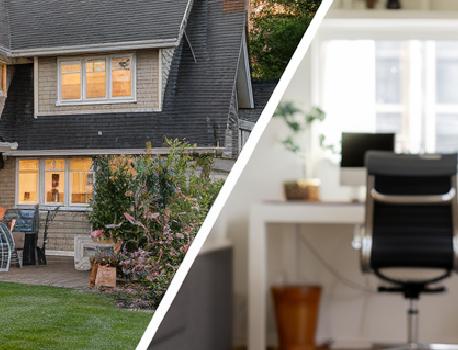
When examining real estate trends, distinct patterns emerge when comparing Generation X and Baby Boomers. Their respective life stages, financial goals, and personal preferences are crucial in home-buying decisions.
These two generations have different priorities when buying a home and interact with the housing market in distinct ways. To understand the factors behind their choices, let’s explore their approaches to homeownership, downsizing, and remote work.
Homeownership has long been a symbol of financial stability, and both Baby Boomers and Generation X approach it differently. While Baby Boomers often prefer larger homes in suburban areas with extra bedrooms and spacious yards, they typically purchased these homes at lower prices and interest rates decades ago.
For example, a Baby Boomer couple in their early 70s might still live in the five-bedroom home where they raised their family. Some may choose to downsize as they near retirement to find a home that better fits their current lifestyle.
In contrast, Generation X focuses on balancing space and practicality. They are in their peak earning years and seek homes that accommodate their growing families while supporting modern work-from-home arrangements. For example, a Gen X couple in their mid-40s may look for homes with flexible spaces, such as finished basements that can serve as offices or workout areas.
One of the key real estate trends distinguishing Baby Boomers from Generation X is their approach to downsizing and upsizing. Baby Boomers are increasingly choosing to downsize as they retire. This decision helps them reduce maintenance costs and access equity from their long-held homes.
For example, a retired couple might sell their large suburban home and move to a smaller condominium, allowing them to focus on travel and hobbies without the burden of home upkeep.
In contrast, Gen X often needs more space due to family and work demands. Many still have children living at home or require extra room for remote work. For instance, a family in their early 50s may decide to upsize by moving into a home with a dedicated office and larger common areas.
Although some Gen Xers are starting to consider downsizing, many are still focused on upsizing, particularly those with school-aged children. This difference in housing choices highlights how real estate trends vary between generations.
Location preferences illustrate clear real estate trends between Generation X and Baby Boomers. Traditionally, Baby Boomers favored suburban or rural areas because these locations offered larger properties and good schools for raising families.
However, as they age, many move to smaller homes in warmer climates or low-maintenance retirement communities. Some even relocate to urban areas for better access to healthcare services and cultural activities.
In contrast, Gen X prefers suburban and semi-urban neighborhoods that balance space and accessibility. Many Gen Xers are raising children, making proximity to quality schools essential. Additionally, they value access to entertainment, dining, and outdoor activities.
For example, a typical Gen X family may choose a suburban area near a major city, allowing them to enjoy a quieter lifestyle while still being close to urban amenities. Understanding these real estate trends is important for professionals targeting these two generations.
Both Generation X and Baby Boomers are investing in home improvements, but their motivations differ. Baby Boomers focus on enhancements that improve comfort and allow for aging in place.
For instance, they might install walk-in showers or ramps and convert their homes to single-level living to address mobility issues. Additionally, they often add energy-efficient windows and widen doorways to ensure accessibility. Many Baby Boomers also invest in cosmetic upgrades to make their homes more appealing when selling to younger buyers.
On the other hand, Gen X prioritizes renovations that match their current lifestyle and future resale value. This group frequently incorporates smart home technology, energy-efficient appliances, and modern design features like open-concept kitchens and home offices.
For example, a Gen X couple might renovate their kitchen to include smart appliances, knowing it will enhance their daily lives and increase their home's resale potential. Overall, these real estate trends reflect how each generation approaches home improvements with different goals.
Generation X and Baby Boomers' participation in the real estate market has changed over time, with each group taking on specific roles as buyers and sellers. Many Baby Boomers have already achieved homeownership and built equity in their properties. As a result, they tend to be sellers, especially as they retire and look to downsize.
For example, a Boomer couple who bought their home for $100,000 in the 1980s may now sell it for $500,000, benefiting from years of appreciation. However, many Baby Boomers choose not to sell, creating an inventory shortage for first-time buyers.
On the other hand, Gen X is actively engaged in the market as both buyers and sellers. Many Gen Xers are at their peak earning potential, either upgrading to larger homes or investing in second properties.
They also use historically low interest ra\tes to refinance their mortgages or purchase larger homes with modern amenities. For instance, a Gen X family might sell their starter home to buy a larger property with a home office and outdoor space.
A key aspect of real estate trends is how different generations approach home financing, particularly regarding mortgages, interest rates, and financial planning. Baby Boomers and Generation X have distinct strategies influenced by their financial and economic conditions.
For instance, Baby Boomers often purchased homes with lower prices, allowing many to pay off their mortgages or nearly do so. This advantage gives them flexibility as they enter retirement.
In contrast, Gen X faced a more challenging home financing environment. Many Gen Xers bought homes during the early 2000s housing boom, only to encounter difficulties during the 2008 financial crisis, leading some to experience underwater mortgages or delay homeownership. However, Gen X has recently benefited from lower interest rates, enabling many to refinance or buy larger homes.
Technology has significantly changed how people buy and sell homes, a key part of modern real estate trends. Generation X has fully embraced digital tools to enhance their home-buying and selling experiences.
For example, many Gen Xers use online platforms like HAR.com to search for homes, compare prices and analyze neighborhood data. Typically, a Gen X couple might begin their search online, utilizing virtual tours and digital floor plans to narrow their options. Moreover, they are comfortable negotiating via email, signing contracts electronically, and using apps to communicate with their real estate agents.
In addition, Gen X often looks for homes with smart technology, such as energy-efficient systems and automated lighting, viewing these features as valuable for cost savings and resale potential. On the other hand, Baby Boomers, while less tech-savvy, have also adapted to using technology in real estate, particularly after the COVID-19 pandemic.
For instance, many Boomers now feel comfortable with online listings and virtual tours but rely more on their agents for advice and prefer traditional communication methods like phone calls. This contrast highlights how different generations engage with the evolving real estate market and the impact of technology on their experiences.
The rise of remote work is a key factor influencing current real estate trends, particularly for Generation X. As more professionals work from home, the demand for dedicated home office spaces has increased significantly. This change means that Gen X families now value homes with ample office space, strong internet connectivity, and quiet neighborhoods that support working from home.
Additionally, many in this generation are relocating to more affordable suburban or rural areas, where they can buy larger homes without the high costs associated with urban living. Meanwhile, Baby Boomers are still in the workforce and adjusting their housing preferences. However, they focus on downsizing rather than expanding their living spaces.
Generational differences in real estate investment show how financial goals vary between Generation X and Baby Boomers. While both groups view real estate as a solid long-term investment, their strategies differ. Baby Boomers typically invest to generate passive income for retirement.
Many own multiple properties, including vacation homes and rental units, which provide consistent income streams. For example, a retired couple might consider purchasing a rental property in a popular vacation destination to enjoy personal enjoyment while earning rental income.
In contrast, Gen X tends to be more active in real estate investment. Many Gen Xers are in their peak earning years, seeking opportunities in both residential and commercial properties. For instance, a couple in their 40s might consider acquiring a multi-family home to rent additional units and offset mortgage costs.
Furthermore, Gen X is generally more comfortable with risk, making them more likely to invest for short-term gains, such as flipping homes. However, their experience with the 2008 financial crisis has led them to adopt a balanced approach, combining traditional investments with more speculative ones. These real estate trends highlight the different investment priorities of each generation.
The connection between real estate trends and generational differences offers valuable insights into how Generation X and Baby Boomers are shaping the housing market today. Both generations have unique preferences, strategies, and financial goals that influence their decisions in the real estate space. Focusing on practicality, technology, and adapting to modern work environments, Gen X is reshaping suburban and urban living.
They are taking advantage of low interest rates, seeking homes catering to their personal and professional needs, and investing in smart home technologies. Meanwhile, Baby Boomers are transitioning into retirement, with many choosing to downsize, simplify their lifestyles, and leverage the equity they’ve built over decades.
Whether you’re part of Gen X looking for a home that suits your growing family and remote work needs or a Baby Boomer planning for retirement, staying informed about these real estate trends can help you make more informed decisions about your real estate journey.
Lifestyle changes significantly impact real estate trends for both Generation X and Baby Boomers. Gen X's increased emphasis on work-life balance and remote work options leads to a desire for larger homes with functional spaces. On the other hand, Baby Boomers often prioritize downsizing and moving to more manageable spaces as they seek a simpler lifestyle in retirement. These lifestyle shifts change preferences regarding location, home size, and property features.
Community amenities are crucial in shaping real estate trends for both Generation X and Baby Boomers. Gen X often seeks properties near vibrant amenities such as parks, shopping centers, and entertainment options that cater to their family-oriented lifestyle. In contrast, Baby Boomers are drawn to communities offering convenient healthcare access, recreational activities, and social engagement opportunities. The desire for a well-rounded community experience continues to influence their home-buying decisions.
Government policies significantly influence real estate trends for both Generation X and Baby Boomers. For instance, first-time homebuyer incentives can benefit Gen X, helping them secure home financing. On the other hand, tax benefits for retirees or funding for affordable housing initiatives can impact Baby Boomers' housing decisions. Changes in zoning laws and housing regulations also affect market availability and pricing, shaping the housing landscape for both generations.




 Erase note
 You currently have no custom folders