Sign In
Create an account and enjoy all the benefits of HAR.com!
Sign In
Sign in using social account


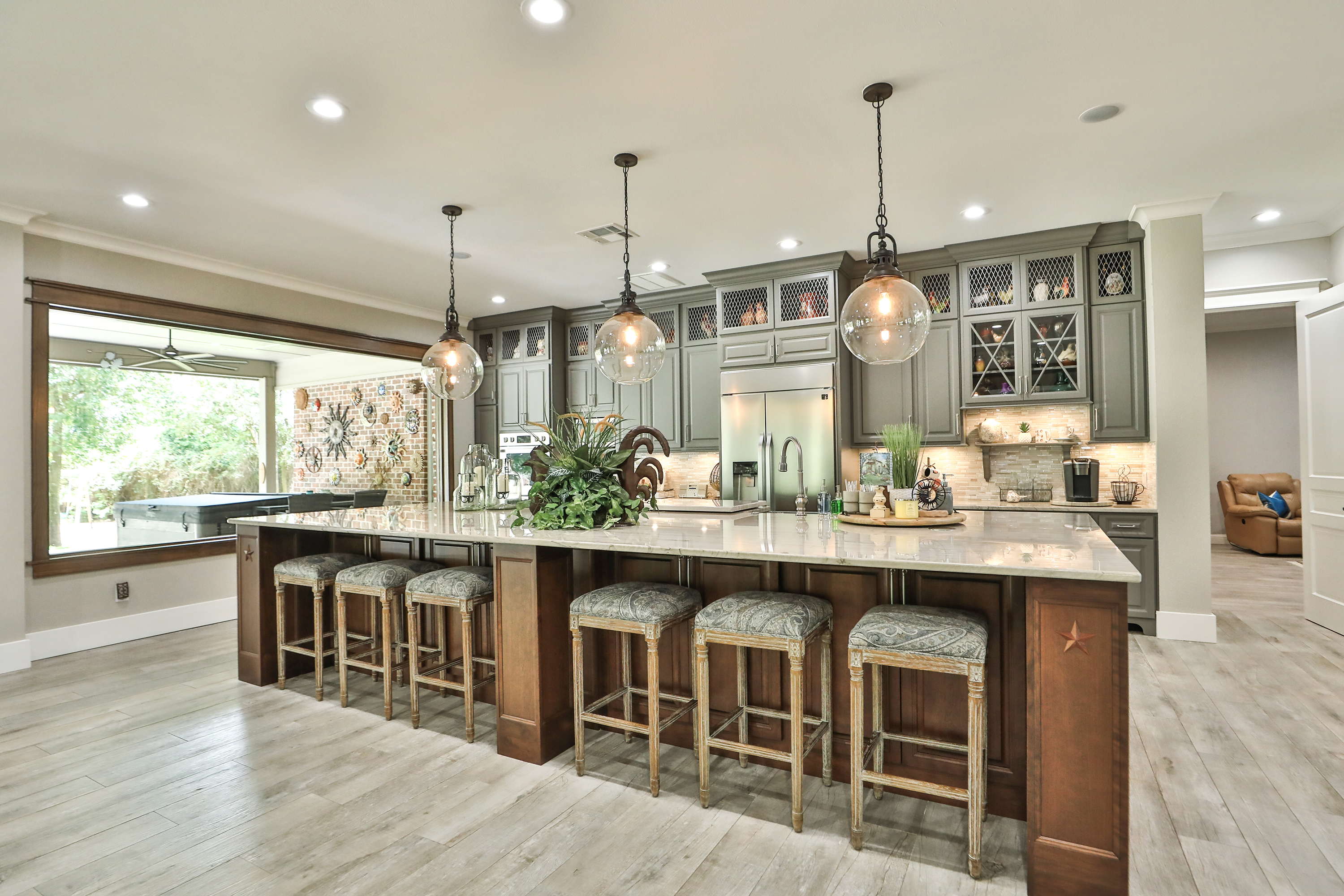
Natural light is essential for creating a vibrant and welcoming atmosphere in your home. It offers numerous benefits, including:
Boosting Mood and Mental Health: Exposure to natural light has been linked to increased levels of serotonin, a hormone that enhances mood. This can help combat the winter blues and seasonal affective disorder (SAD).
Improving Sleep Patterns: Natural light helps regulate the body’s circadian rhythm, promoting better sleep quality at night and increased alertness during the day.
Reducing Energy Costs: By maximizing the amount of natural light in your home, you can reduce the need for artificial lighting during the day, leading to lower energy bills.
Enhancing Interior Design: Natural light enhances the colors and textures in your home, making rooms feel more spacious and inviting.
Understanding the importance of natural light sets the stage for taking steps to maximize it in your home, especially as the days grow shorter.
Before implementing strategies to increase natural light, it’s essential to assess your home’s current light potential. Consider the following:
Orientation of Your Home: Homes with windows facing south or southwest typically receive the most sunlight throughout the day. Identify which rooms have the best natural light and which ones could use improvement.
Obstructions: Look for obstructions outside your windows, such as overgrown trees, bushes, or neighboring buildings, that might block sunlight from entering your home.
Window Size and Placement: Assess the size and placement of your windows. Larger windows and those placed higher on walls allow more light to enter a room.
Current Use of Space: Consider how your current furniture arrangement and room usage might be affecting the natural light flow. Dark, bulky furniture or heavy drapery can absorb light and make a room feel darker.
Once you’ve assessed your home’s natural light potential, you can begin implementing strategies to maximize it.
Mirrors and reflective surfaces are powerful tools in the quest to maximize natural light. They work by bouncing light around a room, making spaces appear brighter and larger.
Place Mirrors Opposite Windows: Positioning mirrors directly opposite windows is one of the most effective ways to reflect natural light into a room. This not only increases brightness but also creates the illusion of more windows.
Use Reflective Décor: Incorporate reflective surfaces into your décor, such as glass tables, metallic picture frames, or glossy furniture finishes. These elements can help disperse light throughout a room.
Opt for High-Gloss Paint: Consider using high-gloss or semi-gloss paint on walls and ceilings. These finishes reflect more light than matte or flat paints, making rooms feel airier and brighter.
Strategically using mirrors and reflective surfaces can significantly amplify the natural light in your home without the need for major renovations.




 Erase note
 You currently have no custom folders