Sign In
Create an account and enjoy all the benefits of HAR.com!
Sign In
Sign in using social account


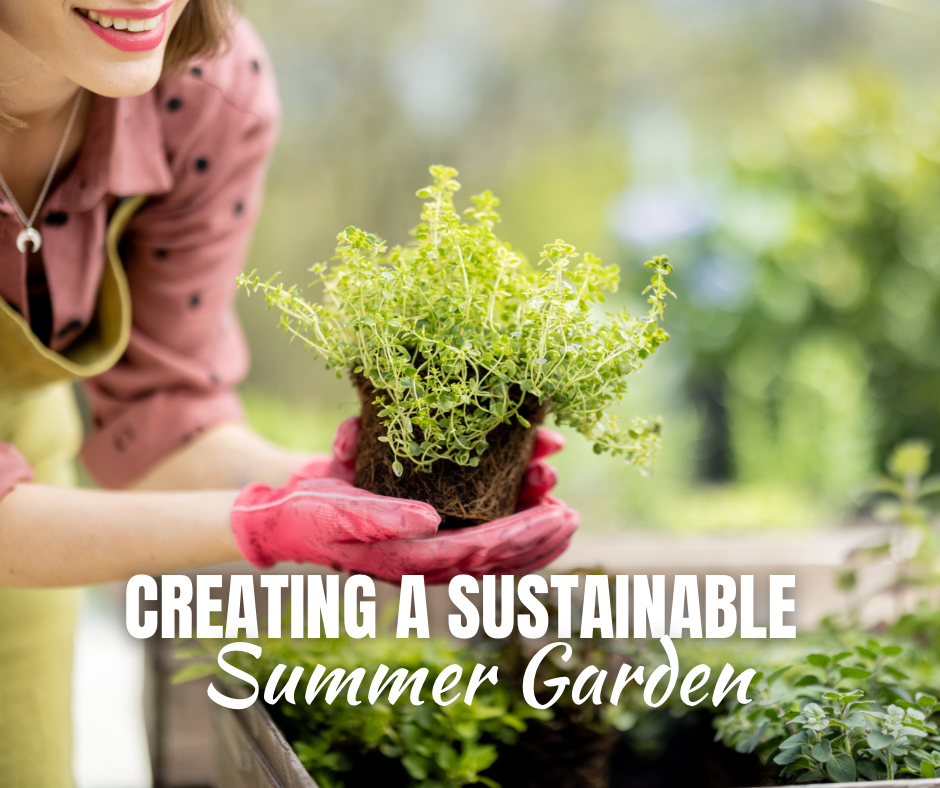
Sustainable gardening goes beyond just planting and harvesting. It involves practices that promote environmental health, conserve resources, and reduce waste. By adopting sustainable gardening techniques, gardeners can:
Minimize water usage
Reduce reliance on chemical fertilizers and pesticides
Promote biodiversity
Enhance soil health
Lower their carbon footprint
Selecting the appropriate plants for your garden is the first step toward sustainability. Opt for native plants and drought-tolerant species that are well-adapted to your region’s climate. These plants typically require less water, are more resistant to pests, and contribute to local biodiversity.
Design your garden layout to maximize space and minimize resource use. Companion planting—growing certain plants together that benefit each other—can naturally deter pests and improve growth. Consider raised beds and vertical gardening to optimize small spaces and reduce water runoff.
Composting is a cornerstone of sustainable gardening. By recycling kitchen scraps, yard waste, and other organic materials, gardeners can create nutrient-rich compost that enriches soil and reduces the need for chemical fertilizers. Start a compost pile or use a compost bin, and regularly turn it to speed up decomposition.
Mulching is another effective way to enhance soil health. Applying a layer of organic mulch, such as straw, leaves, or wood chips, helps retain soil moisture, regulate temperature, and suppress weeds. As mulch breaks down, it also adds valuable nutrients to the soil.
Water is a precious resource, especially during the hot summer months. Implementing efficient irrigation methods can significantly reduce water usage. Drip irrigation systems deliver water directly to plant roots, minimizing evaporation and runoff. Soaker hoses and rain barrels are also excellent options for conserving water.




 Erase note
 You currently have no custom folders