Sign In
Create an account and enjoy all the benefits of HAR.com!
Sign In
Sign in using social account


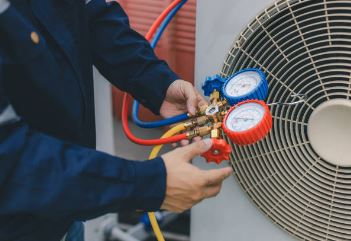
Below I'll walk through:
(1) how this transition compares to the R-22 phaseout;
(2) why R-22 and now R-410A are being restricted;
(3) which refrigerants are coming into the market and what properties you should know about; and
(4) how this affects homeowners and real-estate transactions with practical, real-world examples of why business as usual thinking is risky.
1) How the 2025 switch compares to the R-22 changeover Same goal, different drivers & mechanics: The R-22 (HCFC-22) phaseout was driven primarily by ozone-depletion concerns under the Montreal Protocol and U.S. rules that progressively cut production and import of R-22 (production/import bans reached their tightest limits around 2020). That left existing R-22 equipment operable, but future servicing relied on reclaimed/recycled stock, which made repairs costly and eventually pushed many owners toward replacement.
2025's transition is climate-driven and technology-oriented: The AIM Act and EPA Technology Transitions rules target HFCs because of their high global-warming potential (GWP). For many product categories (including residential AC/heat pumps), the EPA began imposing restrictions that take effect in 2025 effectively preventing new units made for the U.S. market from using high-GWP HFCs like R-410A. Unlike R-22 (ozone), this is about climate forcing and achieving a steep HFC phasedown (and it sets a GWP threshold for allowed refrigerants).
Key practical contrasts: R-22: ozone-depleting production/import cut servicing possible only with reclaimed stock prices climbed. (2025): climate-driven GWP limits new equipment must use low-GWP substitutes (A2L options,) equipment design, codes, and installer practices must change quickly. Short supply of new refrigerants or compatible components can force whole-system replacements rather than simple repairs.
2) The why why R-22 was banned and why R-410A is now being restricted R-22 (the old ban): it depletes the ozone layer (it's an HCFC). International and U.S. commitments meant production/imports were phased out to protect the stratospheric ozone layer; after the production ban there was only reclaimed/stockpile supply for servicing. Homeowners weren't required to replace working systems immediately, but long-term availability and cost of R-22 made replacements common. US EPA R-410A (the current move): R-410A is non-ozone-depleting but has a very high GWP (around 2,088 by commonly used metrics). The AIM Act empowers the EPA to limit HFCs because they are powerful greenhouse gases. The EPA set sectoral prohibitions and GWP ceilings so manufacturers must use refrigerants with much lower GWPs for new equipment starting in 2025 to reduce greenhouse-gas emissions and meet climate commitments. In short: R-22 was about ozone; R-410A is about climate.
3) What the new refrigerants are and their properties (the short list): The market is moving toward lower-GWP, mostly A2L refrigerants. Two widely discussed examples are R-32 and R-454B: R-32 (difluoromethane) GWP 675 (much lower than R-410A), single-component (simpler to recover/handle), A2L (mildly flammable). Many manufacturers were already offering R-32-based products in some regions because it balances lower GWP and good thermodynamic performance. R-454B (a zeotropic blend, e.g., R-32/R-1234yf blend) GWP 466 (even lower than R-32), A2L (mildly flammable), developed as a near-drop-in replacement in new equipment designs for R-410A. It has been adopted by many OEMs for new residential/light-commercial equipment. Note: in 2025 the industry reported localized shortages of some low-GWP refrigerants (R-454B in particular), which complicates service and repair logistics.
Important safety & code notes: A2L means mildly flammable that requires changes in component packaging, transport, installation practices, building codes, and technician training. Manufacturers are redesigning units and adding mitigations (smaller charge sizes, different cabinet designs, leak mitigation measures) so the refrigerant can be used safely in homes and small commercial spaces.
4) How the new guidelines affect existing homeowners and real-estate transactions: Homes with air conditioners or heat pumps are affected even if the system itself remains legally usable because repairs and service become more complex and expensive, and whole-unit replacement becomes more common when parts or refrigerant are unavailable.
What homeowners can expect - Servicing is still allowed but trickier: For R-410A systems installed before the rule, servicing is generally allowed for the time being; however, reclaimed refrigerant inventories and compatible parts may be limited, and prices can spike. That means a failed compressor or major leak could push replacement as the more practical option. (This is the same dynamic that drove R-22 replacements.)
Parts and refrigerant shortages: Several industry sources reported constrained supplies of specific low-GWP refrigerants (and OEM components sized for them) in 20242025; shortages drive lead times and may require full system replacement rather than a part swap.
Installer & code issues: A2L refrigerants require trained technicians, updated safety practices, and sometimes building-code changes all of which affect turnaround time and cost.
What this means for real-estate transactions, home inspections and disclosures matter more: An inspection that flags an older R-410A system creates negotiating leverage: buyers may demand credits, insist on replacement, or include contingency language because future servicing could be costly or delayed. Lenders and appraisers may begin to treat HVAC systems with high-GWP refrigerants differently (condition of sale, required replacements for compliance or lender policies).
Timing and contingency risk: If a contract contingency depends on an HVAC repair, the seller may find that the only reasonable fix is a full replacement which affects pricing, closing timelines, and escrow negotiations. NAHB and industry guidance pointed out a one-year installation grace period for certain equipment manufactured before Jan 1, 2025 but that grace period itself created a compressed window that increased demand and supply friction.
Value & disclosure implications: A functioning older AC is still usable, but buyers increasingly consider what happens if this craps out in year two? That risk can reduce offer prices or shift responsibility for replacement to sellers. Expect HVAC age and refrigerant type to become standard items in buyer checklists and seller disclosures.
Real-world examples showing why business as usual is risky - Compressor failure that becomes a full replacement: Imagine a 2018 central AC (R-410A) with a compressor failure in July. A new replacement compressor is available but the local wholesaler's price has tripled because OEMs shifted production to R-454B equipment and reclaimed R-410A supply is tight. The homeowner is quoted either a very expensive repair or a full system replacement to a new R-454B or R-32 system. The repair vs replace calculation, once straightforward, now often favors replacement even if the unit was otherwise healthy. This drives unexpected capital expense for sellers and buyers during transactions.
A pending sale with a last-minute HVAC issue: A seller accepts an offer in late December 2025 and the buyer's inspection reveals an older R-410A unit needing service. The local market is experiencing lead times of several weeks for parts or certified A2L technicians. Closing deadlines loom, and the parties have to scramble: either accept credits, extend closing, or replace the unit each option costs money and time, and some lenders may hesitate if the unit's lifespan is in question. This is already being reported by real-estate and HVAC trade outlets as a growing closing-cost friction point.
Contractors unprepared for A2L work: In some areas contractors have not finished retraining crews for A2L practices or retrofitting in-shop equipment for new refrigerant handling. A homeowner who assumes any tech can fix it finds limited local service options and higher emergency rates. For sellers who do not proactively replace aging units, this can scare buyers or lower offers.




 Erase note
 You currently have no custom folders