Sign In
Create an account and enjoy all the benefits of HAR.com!
Sign In
Sign in using social account


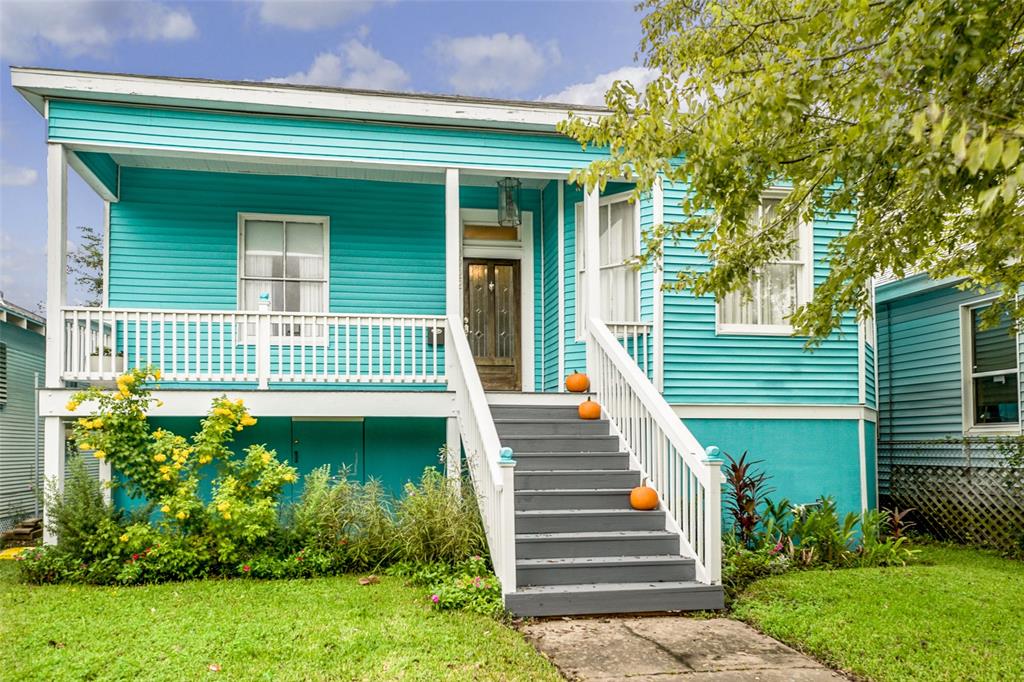
This article was originally published in The Galveston County Daily News on 1/19 as part of my weekly 2019 column.
As the property tax due date is the end of January, I think we need to consider property taxes.
The Basics:
Property taxes are inevitable. With no income tax in Texas, we collect property taxes for everything from road work, navigation districts, municipal utility districts, and most importantly, education. As much as we hate increased values and higher tax bills, it is similar to income taxes: you pay more because you earn more, or in this case -- your property is worth more.
In Texas, property taxes are billed in arrears. Sometime in the early part of the year, you get a statement of what the county tax assessor thinks your property is worth. You may contest that as long as you do so by April 15. The valuation is based on what the appraisal district staff thinks your property would have sold for on Jan. 1. By September, the tax rate is set and bills are issued. Your tax bill is then due by Jan. 31 of the following year. Generally you want to take a serious look at your appraised valuation. If you are not eligible for a homestead exemption, the county has the ability to raise your value by any amount. If you are homesteaded it may only tax you up to a 10 percent higher valuation each year-- even if the actual valuation has risen a much greater amount. Although the increase in overall valuation might not be a problem due to the 10 percent rule this year, it can easily creep up. If you don't know what to think of your current tax appraisal, ask your Galveston Area Realtor to look at sales of similar properties. There are companies who will contest your values for a percentage of the savings. Your Galveston Realtor can also help with local sales data for you to contest your valuation on your own.
Property taxes may be paid in several ways. Your lender may pay them from your escrow account associated with your mortgage. You may pay them directly either in a single payment or you may pay them in two installments, with the first half due before Nov. 30 and the second half by June 30 of the following year. If you are a senior, disabled person or a disabled veteran, you may pay in quarterly installments. And for those of us in Galveston County, as the county has been designated a Harvey-related disaster area, we can also then pay in quarterly installments. The four payments are due Jan. 31, April 1, May 31 and July 31. If you are over 65 or legally disabled, you may also apply for a property tax deferral, in which case interest is added to your unpaid balance until paid. That does not mean that you do not owe the property taxes; it means that you owe interest on the unpaid balance and the accrued interest as well. The entire amount becomes due when the property is sold or you no longer claim it as a homestead. It can be very expensive in the long run, but for seniors with cash flow problems and few assets, in might be a workable solution.
If you ever have any questions regarding your property taxes, the Galveston County Appraisal District as well as the Galveston County Tax Office are both very helpful. Just remember the appraisal district values properties and the tax office collects taxes. The taxing entities (the city, county, community college, etc.) set the tax rate.
If you haven't paid your Galveston County tax bill, remember you may pay as little as one-fourth the amount as long as it is by Jan. 31 this year.




 Erase note
 You currently have no custom folders