Sign In
Create an account and enjoy all the benefits of HAR.com!
Sign In
Sign in using social account


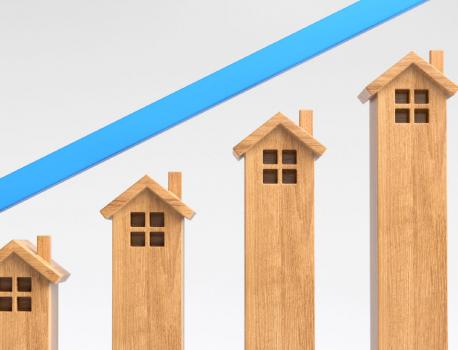
With buy-down mortgages, many homebuyers can secure their ideal home while reducing the worry of monthly payments. A buy-down mortgage offers a financing option that lowers interest rates for a specific period, enabling buyers to manage their expenses more effectively during their early homeownership years. Understanding buy-downs can impact homebuying, making homeownership more affordable and accessible for first-time buyers or upgrading.
Let’s explore the different types of buy-down mortgages and how they can enhance your financial flexibility.
Understanding this mortgage is essential for informed homebuying, as they lower interest rates in the early years, making homeownership more affordable. Let's explore the different options available.
A temporary mortgage lowers interest rates for the first few years of a mortgage term, reducing monthly payments and offering financial relief during home settlement. The most common types of temporary mortgages include:
In this structure, the interest rate is reduced by 2% in the first year and 1% in the second year, returning to the total rate by the third year.
This option reduces the interest rate by 3% in the first year, 2% in the second, and 1% in the third year before returning to the original rate.
For buyers expecting their income to grow in the future, a temporary mortgage can be a valuable strategy to ease into higher payments gradually. This mortgage can enhance homebuying success by allowing more room for financial flexibility in the early years.
A permanent mortgage lowers the interest rate for the entire loan term, offering long-term savings by reducing the total interest paid. In this case, you or the seller pay upfront points to secure a reduced rate throughout the mortgage period. This structure is advantageous for long-term homebuyers due to its consistent lower payments and long-term financial stability. A permanent buy-down mortgage can be a powerful tool for achieving homebuying success by locking in savings over the entire mortgage duration.
These mortgages offer several benefits that can make homebuying more affordable and accessible for many buyers. Here are the key advantages:
These mortgages provide a significant advantage in reduced monthly payments, especially in the initial years, aiding in better financial management during the homebuying process.
Lower payments are advantageous for first-time buyers or those on a tight budget as they provide more funds for home repairs and utilities.
Buy-down mortgages provide flexibility in temporary and permanent options, allowing buyers to select the best choice for their financial situation and homebuying plans.
Lower monthly payments allow buyers to qualify for more significant loan amounts, enabling them to purchase more desirable homes or properties in better locations.
A permanent mortgage offers substantial long-term savings due to lower interest rates, leading to substantial savings in interest payments over the loan's life.
While these mortgages offer numerous advantages, they also have drawbacks that potential buyers should consider carefully. Here are the key disadvantages:
The upfront cost of purchasing points to lower the interest rate requires a substantial initial investment that may not suit all buyers.
If you opt for a permanent buy-down mortgage, you commit to a longer-term loan with reduced payments. If you sell or refinance the home within a few years, the initial costs may not provide sufficient return on investment.
The structure of the mortgages can be complex. Buyers may find it challenging to understand the implications of different buy-down options and how they affect their financial situation.
Not all lenders offer buy-down mortgages, which can limit your options. Therefore, shopping around and finding a lender who offers this financing option is essential.
With temporary buy-downs, payments will eventually rise as the interest rate returns to the original level. Buyers should prepare for higher costs in the later years of the mortgage.
Obtaining a buy-down mortgage involves similar steps to a standard mortgage, but understanding the nuances of these options is essential. Here’s a guide to help you navigate the application process:
Research lenders with a good reputation and experience, compare their rates, fees, and terms, and choose the lender that best suits your needs.
Prepare the documentation typically required for mortgage applications, including:
Choose a lender, explore temporary or permanent buy-down options, and grasp the upfront costs of reducing interest rates.
Using mortgage calculators, calculate the costs of buying down the interest rate against potential savings, comparing monthly payments and savings over the loan's life.
Complete the lender's mortgage application form with accurate financial information, including income, assets, and liabilities, to assess your eligibility.
After you submit your application, the lender conducts a credit check on your financial information. This process may require additional documentation or clarification regarding your financial history.
Upon approval, the lender will issue a Loan Estimate detailing loan terms such as interest rates, monthly payments, and fees and highlighting the impact of the buy-down option.
If you agree with the terms in the Loan Estimate, you can move forward with finalizing the loan. This involves signing documents and providing any additional information the lender needs.
Attend the closing meeting and sign the necessary paperwork, ensuring you know all the terms and conditions.
Deciding if a mortgage fits your needs requires careful evaluation. Here are vital factors to consider:
Review your income, expenses, and savings. A buy-down mortgage can ease initial financial stress if higher payments would be burdensome in the first few years.
A permanent buy-down could be beneficial if you plan to stay in your home long-term. However, the upfront costs may not be worth it for short-term ownership.
Weigh the cost of homebuying down the rate against potential savings. Use a mortgage calculator to see if the investment makes sense for your situation.
Compare mortgage rates with standard options to see if the savings justify the costs.
A professional can help you navigate buy-down mortgages and find the best option for your goals.
Be prepared for potential payment increases with a temporary buy-down. Ensure you're comfortable with future costs.
Buy-down mortgages offer homebuyers a unique opportunity to manage their monthly payments and enhance financial flexibility. By understanding the different buy-down options, buyers can make wise decisions that align with their long-term homebuying goals. However, weighing the benefits against potential drawbacks is essential, especially considering the upfront costs and future payment increases.
For those ready to move forward, connect with experienced agents at HAR.com to guide you through the homebuying process. Start your journey today with HAR.com.
In many cases, yes. Lenders typically allow buyers to use gift funds from family or friends to pay for points that reduce the interest rate. Check with your lender to confirm.
The mortgage points are typically tax-deductible if paid for the primary residence, but only in the year they are paid, so it's essential to consult a tax professional.
Due to its high upfront costs and complexity, a buy-down mortgage may not benefit buyers with stable incomes or short-term plans.


 Erase note
 You currently have no custom folders