Sign In
Create an account and enjoy all the benefits of HAR.com!
Sign In
Sign in using social account


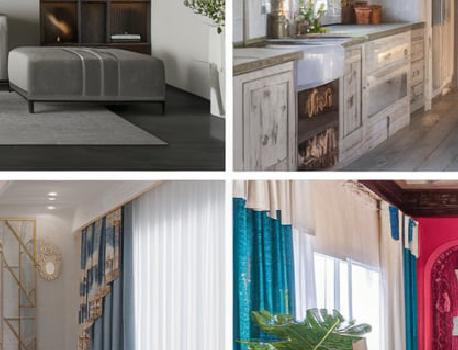
Interior design trends in 2025 reflect a seamless blend of aesthetics and functionality. The focus is on creating spaces that resonate with nature, emphasize well-being, and celebrate individuality. This year’s trends emphasize sustainability, rich textures, and thoughtful layouts.
We’ll explore these ideas in detail here, providing practical examples and tips for integrating them into your home.
"Integrating nature into interiors is no longer just a trend but a necessity," says renowned interior designer Jane Smith. Biophilic design strengthens the bond between indoor spaces and the natural world through thoughtful incorporations, such as lush indoor plants, ample natural light, and organic materials such as wood, stone, and clay. These choices enhance aesthetics and cultivate a serene and rejuvenating atmosphere, making them especially valuable in urban settings where access to nature may be limited.
Natural elements reduce stress, improve air quality, and bring harmony to any room. They also ensure timeless appeal.
Rich, earthy tones dominate the decor trends this year. "These tones evoke a sense of comfort and stability," explains Emily Carter, an interior designer specializing in color psychology.
Ochre, moss green, rust, and deep navy replace neutral pastels, creating cozy yet sophisticated spaces. These colors work well in various styles, from contemporary to traditional.
Earthy palettes provide a grounded ambiance, adding warmth and depth. These versatile tones blend well with other decor trends, such as natural materials and vintage influences.
With hybrid work setups becoming the norm, homes are evolving to meet professional and personal needs. "The shift towards hybrid work has redefined how we use our spaces," says architect Laura Bennett. "Homes now need to serve as offices, gyms, and sanctuaries, making multifunctionality a top priority."
This means creating multifunctional areas prioritizing wellness, such as meditation nooks, yoga corners, and spa-like bathrooms.
Multifunctional spaces ensure that every square foot of your home adds functional and emotional value. Wellness-oriented designs promote relaxation and mental clarity.
Vintage design—with a specific nod to Art Deco—is making a comeback. "Art Deco’s resurgence reflects a longing for elegance and a celebration of craftsmanship," explains design historian Clara Reynolds." The clean lines and geometric patterns of the 1920s blend seamlessly with modern furnishings, creating a timeless aesthetic.
These elements add character and a touch of glamour to any room. The mix of old and new ensures a balanced, layered design.
Sustainability is at the heart of the interior design trends in 2025. "Homeowners are becoming increasingly conscious about their environmental footprint," explains eco-design advocate Rachel Thompson.
Homeowners and designers are increasingly prioritizing materials and practices that reduce environmental impact. This includes reclaimed wood, bamboo, and low-VOC (volatile organic compound) paints.
Beyond reducing carbon footprints, sustainable designs often have a unique story. They create a meaningful connection between the homeowner and their space.
Texture adds depth and richness to interiors, and in 2025, plush materials like velvet, bouclé, and cashmere will be embraced. Decorative embellishments, such as fringe and tassels, enhance these textures, offering an inviting feel.
According to Textile expert Laura Kim, "Textures play a vital role in elevating a space,"
Textures break the monotony of flat surfaces, creating a tactile experience that makes spaces feel more engaging and cozy.
"Lighting is evolving beyond functionality to become a central design feature," explains Sarah Bright, a renowned lighting designer. Bold, sculptural fixtures are artistic focal points in dining rooms, living areas, or entryways.
Statement lighting enhances the visual appeal while setting the tone of a room. It’s an easy way to infuse creativity without overhauling the entire space.
"Smart technology isn't just about convenience; it's about enhancing the user experience seamlessly," tech designer Mark Thompson explains.
These are no longer futuristic—they’re here. However, the emphasis on decor trends is on seamlessly integrating technology. Smart devices like mirrors with built-in lighting or furniture with wireless charging capabilities are functional yet discreet.
These integrations enhance convenience without compromising the aesthetic appeal of your home.
"Curved forms bring a sense of harmony and softness, breaking away from rigid, angular designs," says furniture designer Anita Lopez. These organic shapes bring a sense of flow and harmony, perfect for creating a relaxed atmosphere.
Curved furniture fosters an inviting, cozy vibe. Its fluid lines also complement other natural elements.
Personalization is key in the interior design trends in 2025. Maximalism, characterized by bold patterns, vibrant colors, and unique accessories, offers a way to showcase individual style. According to interior stylist Rachel Green, "Maximalism is about storytelling,"
Personal touches make a home truly yours. Maximalist accents provide a refreshing counterpoint to minimalist styles, ensuring lively spaces and personality.
The interior design trends in 2025 reflect a harmonious blend of nature, sustainability, and individuality. Whether updating your living room with natural materials or adding bold lighting fixtures, these decor trends offer something for everyone.
Embracing these ideas will enhance your space and improve your quality of life. Keep experimenting and finding ways to make your home a true reflection of yourself with a decor trend that suits you.
Abstract and nature-inspired artworks and sculptural pieces will likely be prominent in 2025 decor trends. They complement modern and earthy interiors alike.
Small spaces can utilize multifunctional furniture, lighter earthy tones, and mirrors to create the illusion of space. These decor trends optimize function without compromising style.
Open floor plans are reimagined with flexible partitions, creating defined yet fluid spaces. These decor trends balance openness and privacy while maintaining functionality.




 Erase note
 You currently have no custom folders