Sign In
Create an account and enjoy all the benefits of HAR.com!
Sign In
Sign in using social account


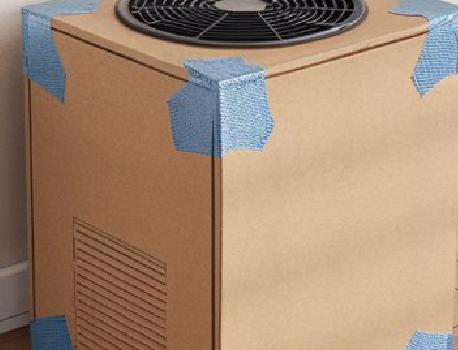
Indoor air pollution affects millions worldwide and contributes to allergies, respiratory diseases, and airborne virus transmission. Many homeowners invest in expensive commercial air purifiers, but not everyone can afford them. Fortunately, the Corsi-Rosenthal Box offers a cost-effective and efficient alternative that provides cleaner, healthier air for any indoor space.
This DIY air filter uses high-quality furnace filters and a simple box fan to remove dust, allergens, and harmful airborne particles. Designed for affordability and ease of assembly, the Corsi-Rosenthal Box provides a practical and highly effective way to reduce airborne contaminants.
Let's examine how to build, maintain, and optimize a DIY air filter to enhance air quality without breaking the bank.
Indoor air quality substantially impacts health, causing respiratory issues, worsening allergies, and increasing the risk of airborne infections. Many people assume indoor air is cleaner than outdoor air, but indoor spaces often trap pollutants, leading to long-term exposure.
Common sources of indoor air pollution include:
Pet dander, pollen, and household dust accumulate, triggering allergic reactions and respiratory problems.
Cooking, tobacco smoke, and burning candles release harmful particles that linger in the air.
Enclosed spaces facilitate the spread of airborne pathogens, increasing the likelihood of illness.
Cleaning products, paints, and synthetic materials emit volatile organic compounds (VOCs), which can cause headaches, dizziness, and long-term health effects.
This DIY air filter is a cost-effective and accessible solution that utilizes a few readily available materials, ensuring the effectiveness of each component. Here is a list of the required materials:
Additionally, you could use the following items as well:
Assembling a Corsi-Rosenthal Box is straightforward and requires minimal time and effort. Follow these steps to create an efficient DIY air filter that improves indoor air quality.
Position four or five MERV 13 furnace filters to form a square or rectangular cube. Ensure the airflow arrows printed on the filters point inward, directing air toward the fan. If using four filters, place them in a square shape. Position the fifth filter at the bottom for additional filtration. Secure the filters with zip ties before taping them for increased structural integrity and stability.
Place the 20-inch box fan on top of the arranged filters. The fan should face outward so it blows purified air into the room. Align the fan securely on top, ensuring it covers the entire opening of the filter structure. Utilize a fan speed controller to enhance airflow, minimize energy usage, and maintain efficient filtration.
Connect the filters using strong duct tape, ensuring they remain tightly secured. Carefully seal all edges where the filters meet to prevent air leaks and force airflow through them. Tape the box fan securely to the top, ensuring no gaps between the fan and the filters. Apply foam weather stripping around fan edges to improve seal and efficiency by preventing unfiltered air from escaping.
The fifth filter acts as a sturdy base if you use five filters. Consider reinforcing the bottom with cardboard or a wooden base for added stability if you use four filters. Secure the fan base with tape or zip ties to prevent movement, and strengthen the structure with zip ties or bungee cords.
Plug in the fan and turn it on at a low or medium setting. Feel around the edges for any air leaks. If you detect airflow escaping, reinforce those areas with more duct tape or foam weather stripping. If the fan vibrates or moves, further stabilize the base with additional support.
Place the DIY air filter in a central location where air circulation is needed, such as a living room, bedroom, or office. Avoid obstructing the fan or filters with furniture, walls, or objects that may limit airflow. Run the fan continuously or as needed, depending on air quality conditions.
This DIY air filter enhances indoor air quality by reducing airborne pollutants and irritants, promoting a healthier indoor environment.
Dust mites, pollen, and pet dander are some airborne allergens that can worsen asthma and allergy symptoms. The Corsi-Rosenthal Box's MERV 13 filters effectively trap these particles, reducing the risk of flare-ups and making indoor spaces more comfortable for sensitive individuals.
Having bacteria and viruses in the air for long periods increases the chance of getting sick. This DIY air filter helps mitigate this risk by filtering out harmful pathogens, making it an excellent choice for homes, offices, and classrooms where multiple people share the air.
Households with pets often experience increased airborne fur, dander, and odors. The air filter captures pet-related allergens, ensuring a cleaner environment for pet owners and guests.
Schools, offices, and shared indoor spaces frequently accumulate dust, smoke, and pollutants. The Corsi-Rosenthal Box helps maintain cleaner, fresher air in these high-traffic environments by continuously circulating and purifying air.
Cooking, cleaning, and using household products can release volatile organic compounds (VOCs) and delicate particulate matter into the air. The DIY air filter removes these pollutants, creating a safer indoor atmosphere free from harmful contaminants.
To ensure long-term performance, follow these maintenance tips:
Dust and particles accumulate in the Corsi-Rosenthal Box, so replace MERV 13 filters regularly to maintain peak efficiency.
Check for reduced airflow, dust buildup, or increased fan noise. These signs indicate the need for a filter replacement or performance adjustments.
Dust and grime can accumulate on the unit's exterior and fan blades. Wipe down the fan and housing with a damp cloth to ensure smooth operation and prevent excess debris from clogging the system.
Run the air filter continuously in areas with poor ventilation or high allergen levels. Intermittent use may be sufficient to maintain air quality in lower-pollution environments.
Clean air should be accessible to everyone, and the Corsi-Rosenthal Box makes that possible with an affordable, DIY solution. This DIY air filter efficiently lowers airborne pollutants using easily accessible materials, enhancing indoor air quality in homes, workplaces, and educational institutions. Beyond affordability, it empowers individuals to take control of their health and environment. Regular maintenance ensures optimal performance, making it a long-term solution for cleaner air. As concerns about air pollution grow, the DIY air filter proves that innovation and simplicity can create a healthier future for all. Take action today and breathe easier with this effective air filter.
Experts recommend MERV 13 filters because they effectively trap fine particles, but you can use MERV 11 for lower filtration or MERV 14 for higher efficiency.
You can assemble this DIY air filter using basic materials and simple steps in under an hour.
Yes, following the proper construction steps, such as securing filters, sealing gaps with duct tape, and ensuring stable placement, is entirely safe.


 Erase note
 You currently have no custom folders